
Espresso tonic may look simple, but its flavor depends heavily on the tonic water you choose. With only espresso, tonic water, ice, and optional garnish involved, small differences in sweetness, bitterness, carbonation, and flavoring can noticeably change the final drink.
Good tonic water should support the coffee rather than cover it. A crisp citrus tonic can sharpen fruity espresso, while an overly sweet or intensely bitter option can make the drink taste heavy or harsh.
Choosing well comes down to finding a tonic that fits both your coffee beans and your preferred balance of sweetness, bitterness, and fizz.
What Makes the Best Tonic Water for Coffee
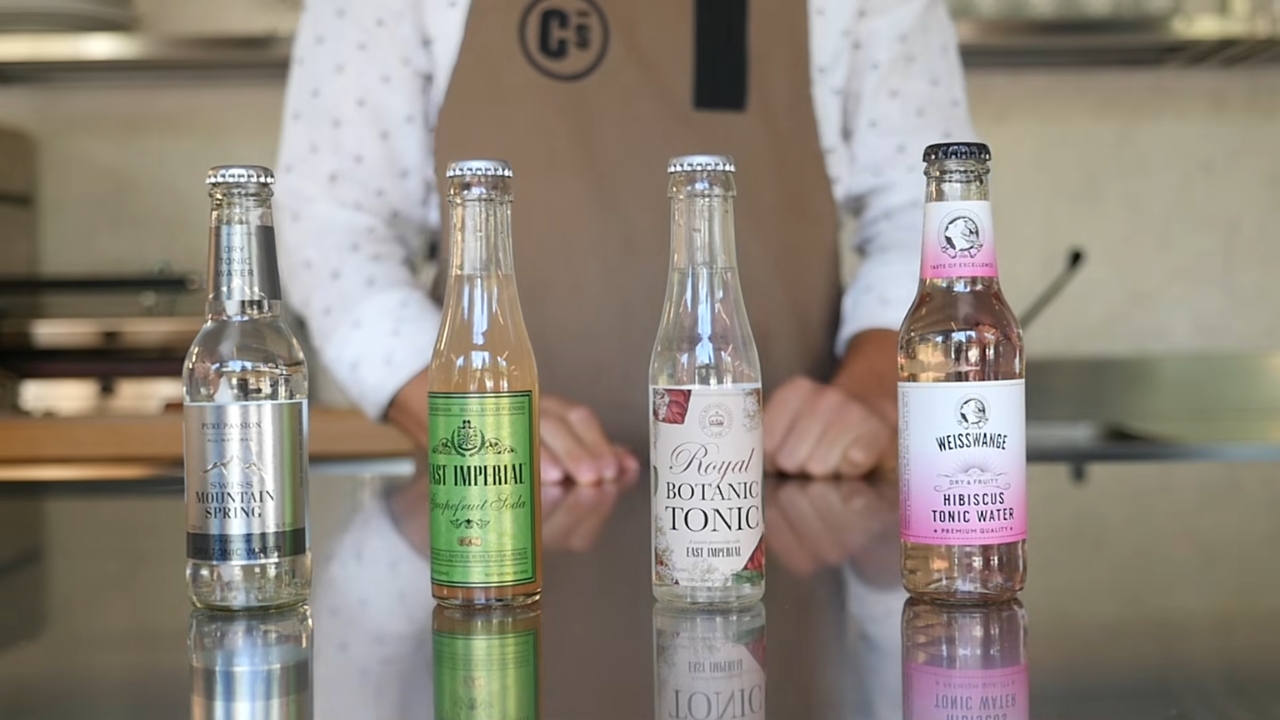
Quality matters more in an espresso tonic than in many mixed drinks because there are so few ingredients competing for attention.
Balanced tonic water usually combines moderate sweetness, clean quinine bitterness, lively carbonation, and subtle citrus or botanical notes. Each element should work alongside the espresso rather than becoming the strongest flavor in the glass.
Fever-Tree Premium Indian Tonic Water is often considered a strong starting point because it offers light sweetness, noticeable citrus, and relatively restrained quinine bitterness.
Coffee choice matters just as much. Bright specialty espresso may work best with a crisp, lightly flavored tonic, while darker coffee often benefits from a softer tonic that does not add too much additional bitterness.
Choose Tonic Water With Balanced Sweetness
Tonic water contains sweetener, unlike plain club soda or seltzer, and that sweetness can help soften espresso’s natural bitterness.
Too much sugar, however, can quickly turn an espresso tonic into something closer to a soft drink. Coffee aromas and acidity become harder to notice once sweetness starts dominating each sip.
Several mainstream tonic waters tend to sit on the sweeter side. Schweppes, for example, has been described as noticeably sweet and soda-like during comparative tastings.
A better coffee pairing usually has enough sweetness to round out espresso without hiding it.
- Light sweetness should soften bitterness without creating a syrupy finish.
- Crisp acidity can keep sweeter tonic water feeling refreshing.
- Cane sugar or agave may create different sweetness profiles, even when total sweetness feels similar.
- Lower perceived sweetness often works better with delicate specialty coffee.
Taste also changes after espresso and ice enter the glass, so tonic water that seems slightly bitter on its own may become more balanced once mixed.
Look for the Right Level of Quinine Bitterness
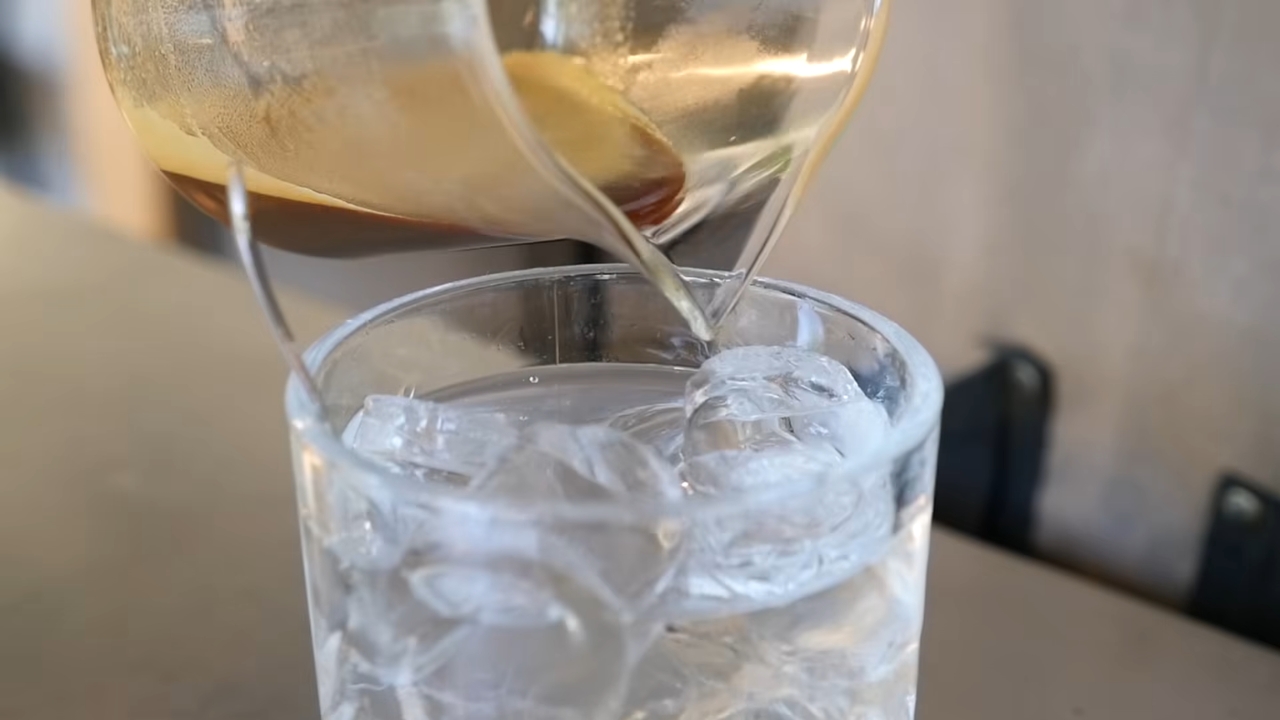
Quinine creates tonic water’s familiar bitter character and gives it a flavor that plain sparkling water does not have.
Moderate quinine can work particularly well with espresso because both ingredients naturally contain bitter compounds. Problems appear when coffee and tonic are both highly bitter, especially with darker roasts or heavily extracted espresso.
- Quinine bitterness
- Lemon or lime notes
- Moderate sweetness
Balance among those elements matters more than maximum intensity.
Dark roast espresso usually pairs better with restrained quinine. Light or fruity espresso can sometimes handle stronger bitterness because natural acidity creates more contrast.
Pick a Tonic Water With Strong Carbonation
Carbonation gives espresso tonic much of its refreshing character.
Bubbles can lift coffee’s sweetness, acidity, and fruity aromas, especially when the beans already contain citrus, berry, stone fruit, or floral tasting notes. Weak carbonation can make the drink feel flat and heavier than intended.
Persistent fizz is especially important because ice and espresso dilute the tonic as soon as the drink is assembled.
Different brands also create different bubble textures. Fever-Tree has been noted for very fine bubbles, while some competing tonics produce larger and more energetic carbonation.
Neither style is automatically better. Fine carbonation can feel smoother and more polished, while larger bubbles may make the drink seem brighter and more aggressive.
For a crisp espresso tonic, look for carbonation that stays noticeable throughout most of the drink instead of disappearing after the first few sips.
Match Tonic Water to Your Coffee’s Flavor Profile
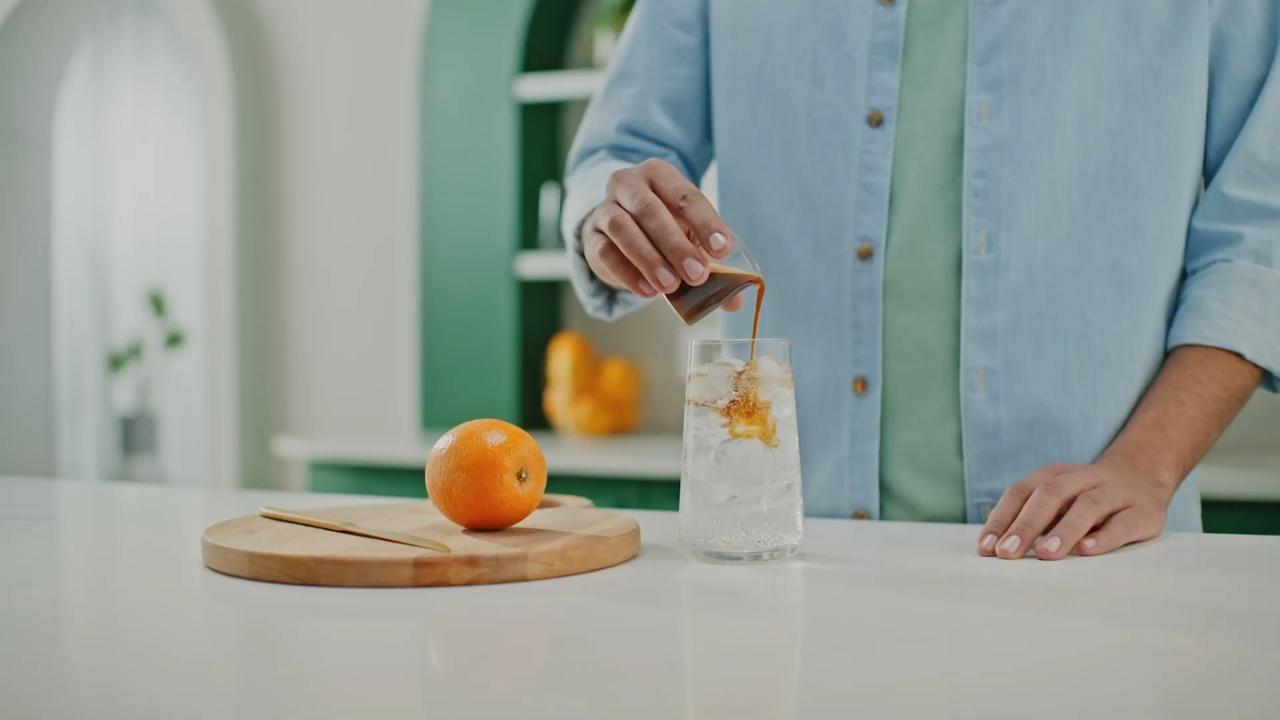
Pairing similar or complementary flavors can make existing coffee characteristics easier to notice. Fruit-focused coffee, for example, often works well with citrus or berry carbonation, while delicate floral coffee may need a cleaner tonic with fewer added flavors.
- Bright, fruity coffee with citrus-forward tonic
- Floral coffee with light tonic or subtle botanical flavors
- Chocolatey or nutty coffee with slightly sweeter tonic or darker fruit notes
- Dark roast coffee with mild tonic and restrained quinine
Flavor matching can become even more specific.
Berry-flavored carbonation can work well with coffee carrying raspberry and chocolate notes. Orange flavors can complement espresso with apricot or orange characteristics. Plain sparkling water can sometimes be a better option for delicate coffee with peach and vanilla notes because it adds texture without introducing extra bitterness.
Coffee should still be recognizable after mixing. If tonic flavor becomes the first and strongest thing you notice, a simpler option may produce a better result.
Choose Citrus and Botanical Flavors Carefully
Lemon, orange, and grapefruit tonics are especially useful with lightly roasted beans that already show citrus or fruit notes. Stronger botanical ingredients require more caution because they can compete with coffee aromas.
Fever-Tree offers tonic variations using flavors such as lemon, elderflower, rosemary, and thyme. San Pellegrino has also offered options featuring ingredients such as lemon, orange peel, and oak-influenced flavor profiles.
Botanical tonic can add complexity, but more flavor is not always better.
Highly floral, herbal, or citrus-heavy tonics can become distracting when paired with subtle espresso. Cleaner tonic waters often produce a more balanced drink because they leave more room for the coffee.
Start with mild flavoring when testing a new coffee. Strong botanical combinations make more sense once you know which tasting notes you want to accent.
Best Tonic Water Brands for Coffee to Try
Several tonic brands work well with espresso, though personal preference plays a major role.
Fever-Tree Premium Indian Tonic Water
View this post on Instagram
Fever-Tree Premium Indian Tonic Water is one of the safest starting points for espresso tonic.
Its flavor combines light sweetness, clean citrus, and relatively mild quinine. Cane sugar, natural flavors, and quinine contribute to a profile that complements coffee without becoming overly heavy.
Fine carbonation also helps create a smoother texture.
Fever-Tree works particularly well when you want tonic character to be noticeable without dominating the espresso.
Q Spectacular Tonic Water
Q Spectacular Tonic Water offers a more assertive bitter profile.
Ingredients include carbonated water, organic agave, citric acid, quinine, and natural flavors. Comparative tastings have placed it among the stronger large commercial tonic options, particularly for people who enjoy pronounced quinine bitterness.
Q can work well with bright or acidic espresso, where stronger bitterness has enough acidity to balance against.
Pairing it with very dark or naturally bitter coffee requires more care because bitterness can build quickly.
Other Tonic Waters Worth Trying
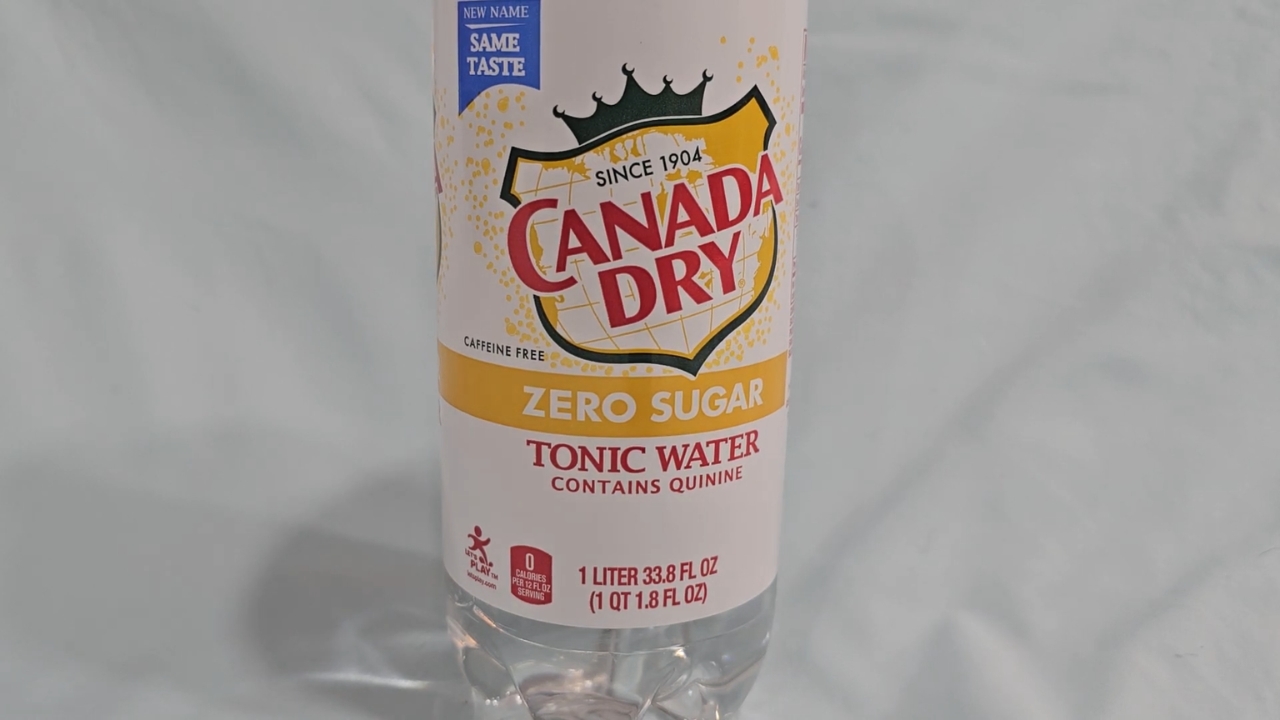
Several other brands can also work well depending on your preferred flavor profile.
Canada Dry offers a familiar, accessible tonic style. Betty Buzz provides another premium option worth testing, while San Pellegrino gives coffee drinkers access to more citrus-focused and flavored choices.
Personal taste still matters more than rankings.
Someone who enjoys sharp quinine bitterness may prefer a very different tonic compared with someone who favors softer citrus, floral notes, or greater sweetness.
How to Choose the Best Tonic Water for Espresso Tonic
Moderate sweetness keeps espresso noticeable. Controlled quinine prevents excessive bitterness. Strong carbonation keeps the drink crisp, while complementary flavors can bring out coffee notes already present in the beans.
For delicate specialty coffee, simpler options are often easier to work with. Plain sparkling water or a very clean tonic can protect subtle peach, vanilla, floral, or tea-like notes.
Fruit-forward coffee offers more room for experimentation. Citrus, berry, or orange-flavored carbonation can strengthen flavors already present in the espresso.
- Start with moderate sweetness rather than heavily sweetened tonic.
- Choose milder quinine for dark or bitter espresso.
- Use stronger citrus or fruit flavors with coffee that already has similar tasting notes.
- Prioritize persistent carbonation because espresso and ice quickly reduce fizz.
- Compare flavor compatibility before judging tonic water by price.
Expensive gourmet tonic does not automatically produce a better espresso tonic. Flavor compatibility matters more.
A clean, citrus-forward tonic such as Fever-Tree makes a practical starting point. After that, you can move toward sweeter, more bitter, fruitier, or more botanical options based on the coffee in your cup.
Closing Thoughts
@brin.pirathapan Don’t like milky or overly sweet iced coffees? Try this Espresso Tonic ☕️ 🍊 – ice – 200ml tonic water – double shot espresso – slice of orange #icedcoffee #espresso #tonic #summer ♬ original sound – brin.pirathapan
Best tonic water for coffee supports espresso instead of competing with it.
Balanced sweetness can soften bitterness, moderate quinine can add pleasant complexity, and persistent carbonation keeps each sip crisp. Citrus and fruit flavors can work especially well when they match natural tasting notes already present in the beans.
Start with a clean tonic that offers restrained sweetness and bitterness, then adjust based on your coffee. Small changes in tonic style can make a surprisingly noticeable difference in the final espresso tonic.