
A recipe asks for cilantro. Another calls for fresh coriander. A third wants ground coriander. Grocery shelves make the ingredients look unrelated, even though every one can come from the same species: Coriandrum sativum.
The catch lies in language and plant parts. In the United States and Canada, cilantro usually means the fresh leaves and stems, and coriander usually means the dried fruit commonly called seeds. In Britain and several other English-speaking regions, coriander can describe the entire plant, including its fresh leaves.
Same plant, different terminology. The distinction becomes more useful in the kitchen because fresh cilantro and coriander seed also taste remarkably different.
Coriander and Cilantro Come From One Plant
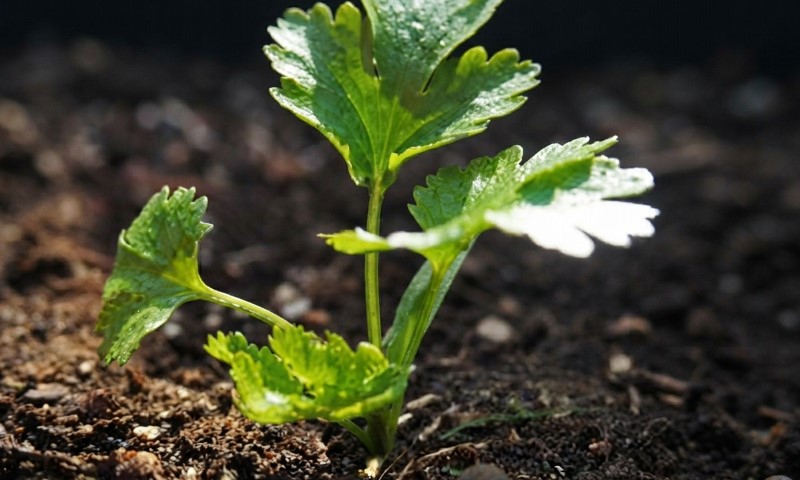
Botanically, there is no coriander-versus-cilantro rivalry. Both names lead back to Coriandrum sativum, an annual species in the Apiaceae family, which also includes parsley, carrots, celery, fennel, and dill.
The USDA’s coriander terminology separates the culinary terms neatly. “Cilantro” refers to the fresh green leaves, “coriander seed” covers the dried fruit used as a spice, and coriander can describe the plant as a whole.
Kew Science lists Coriandrum sativum as an accepted species with a native range stretching from the eastern Mediterranean to western Pakistan. The plant has since spread through cultivation across much of the globe. Kew’s plant record identifies it as an annual primarily associated with subtropical regions.
One plant therefore supplies several culinary ingredients.
| Plant Part | Common U.S. Term | Typical Form | General Flavor |
|---|---|---|---|
| Fresh leaves | Cilantro | Fresh herb | Green, citrusy, pungent |
| Tender stems | Cilantro | Fresh herb | Similar to leaves, often stronger |
| Ripe dried fruit | Coriander seed | Whole or ground spice | Warm, floral, citrusy |
| Roots | Cilantro/coriander root | Fresh or pounded | Earthy, aromatic, concentrated |
“Seed” is the everyday culinary term for coriander’s small round spice. Botanically, the harvested structure is a dried fruit containing seeds.
Why Do Americans Say Cilantro?
View this post on Instagram
Language created much of the confusion.
“Cilantro” entered American English through Spanish. Merriam-Webster traces the word to Spanish and records its first known English use in 1903. Its word history defines cilantro primarily as coriander leaves used for flavoring or garnish.
Spanish influence helped the term become familiar in the United States, particularly alongside Mexican and other Latin American cooking.
British English followed a different path. Fresh leaves sold as cilantro in an American supermarket are commonly labeled coriander in a British one. A British recipe telling you to “roughly chop a handful of coriander” is usually asking for the fresh green herb.
Ground coriander still means the dried spice.
Regional wording explains why online recipes sometimes appear inconsistent. A bowl of guacamole from an American site might list cilantro, and a similar recipe from Britain might list fresh coriander. The ingredient can be identical.
Cilantro Leaves and Coriander Seeds Taste Surprisingly Different
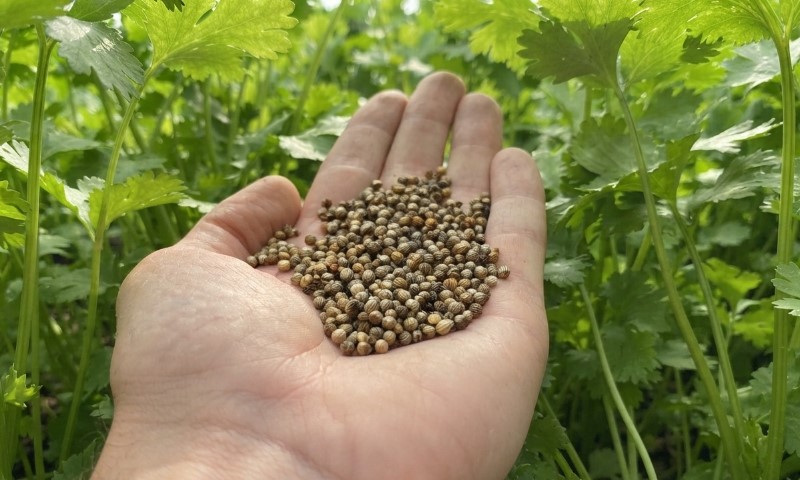
Shared DNA does not produce identical flavor.
Fresh cilantro has an assertive aroma. People often describe it as grassy, citrusy, green, peppery, or sharply herbal. Its fragrance arrives quickly when leaves are chopped, which explains why cooks often add cilantro near the end of preparation or scatter it over food immediately before serving.
Coriander seeds occupy another flavor neighborhood. Toasting or grinding them releases warmer aromas associated with citrus peel, flowers, wood, and gentle spice.
Coriander works comfortably beside cumin in curries and spice blends, and whole seeds appear in pickling mixtures, sausages, breads, and marinades.
Chemical composition helps explain the gap. A published volatile-compound analysis found substantial differences between oils extracted from leaves and seeds. Leaf oil contained high levels of aldehydes such as (E)-2-decenal.
Seed oil was dominated by linalool, alongside compounds including gamma-terpinene, alpha-pinene, camphor, and limonene.
Different aromatic compounds give each plant part its own culinary personality.
A spoonful of ground coriander therefore cannot reproduce the effect of chopped cilantro in salsa. Fresh cilantro cannot provide the warm spice character expected from coriander seed in a curry blend.
Why Does Cilantro Taste Like Soap to Some People?
Few herbs split a dinner table as efficiently as cilantro.
One person tastes a bright, fresh garnish. Someone sitting beside them may get an unmistakable impression of dish soap. The reaction has become a running culinary joke, although research gives the phenomenon a genuine biological basis.
Cilantro leaves contain several aldehydes involved in their characteristic aroma. Human sensitivity to such compounds varies.
A 2012 genome-wide study examined 14,604 people of European ancestry who reported whether cilantro tasted soapy, followed by a separate group of 11,851 participants used to study cilantro preference. Researchers identified an associated genetic variant near a cluster of olfactory receptor genes on chromosome 11.
One nearby gene, OR6A2, is especially interesting because its receptor responds strongly to several aldehydes found in cilantro.
Genetics supplies part of the explanation rather than a universal verdict. The researchers estimated relatively low heritability from common genetic variants, around 0.087 in their sample. Cultural exposure, previous eating experiences, familiarity, and individual sensory differences can influence whether someone enjoys the herb.
Smell deserves special attention too. Much of what people casually call “taste” involves aroma reaching olfactory receptors. Cilantro’s famous soapiness can therefore begin in the nose before the brain assembles the full flavor experience.
Cooking changes the equation somewhat. Research published in the Journal of Agricultural and Food Chemistry found that hot-water treatment reduced levels of several major aldehydes in cut coriander leaves. A cooked cilantro sauce may consequently seem gentler than a pile of freshly chopped leaves.
Every Part of the Plant Has a Culinary Job
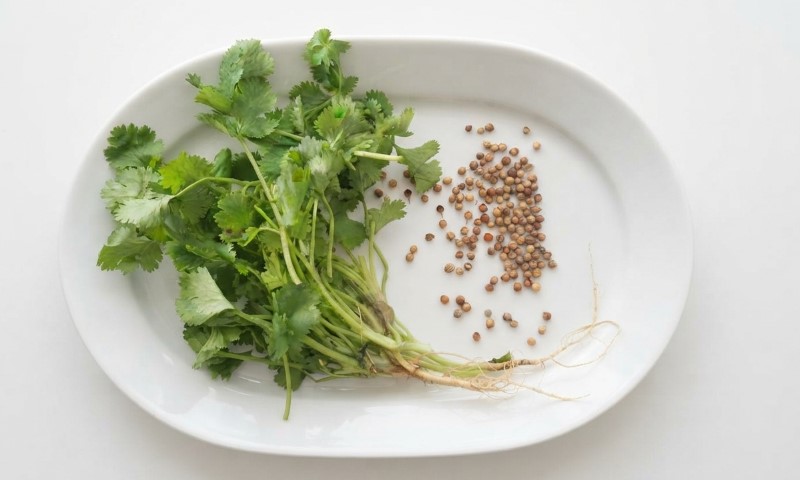
Leaves and seeds receive most of the attention, although cooks can use considerably more of Coriandrum sativum.
The tender stems carry plenty of flavor and work well chopped into salsa, chutney, sauces, soups, and marinades. Throwing them away wastes a useful part of the bunch.
Roots have a particularly important place in parts of Southeast Asian cooking. Pounded coriander roots can form an aromatic base for pastes, marinades, and sauces, often alongside garlic and pepper.
Oregon State University Extension notes that all plant parts are edible, highlighting leaves, seeds, and roots for different culinary uses. Leaves are harvested young for fresh flavor, and mature plants can be left to produce coriander seed.
Growing the herb makes the transformation especially easy to see. A young plant produces the familiar leafy cilantro sold in bunches. As conditions encourage flowering, stems lengthen and delicate flowers appear. Fruits develop afterward and eventually dry into the round spice cooks know as coriander seed.
Utah State University Extension recommends harvesting leaves at roughly 6 inches long. Gardeners seeking seeds allow plants to flower and wait for seed heads to turn brown before drying them, according to its cilantro growing guide.
One garden bed can therefore move from taco garnish to spice jar over the course of a season.
How to Use Cilantro and Coriander Without Mixing Them Up
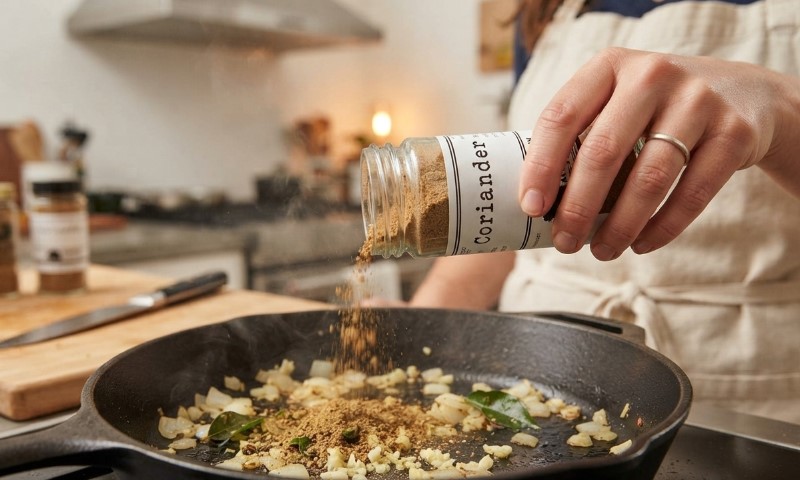
The easiest approach is to treat each form according to its flavor rather than its botanical relationship.
- Use fresh cilantro when a dish benefits from a vivid herbal finish. Salsa, guacamole, tacos, noodle dishes, curries, soups, salads, chutneys, and rice dishes are familiar candidates. Fresh leaves usually deliver their strongest aroma when added late.
- Use whole coriander seeds when gradual flavor release suits the recipe. Lightly toasting them in a dry pan can intensify their fragrance before grinding. Whole seeds also work well in pickling liquids and slow-cooked preparations.
- Use ground coriander when the spice needs to disperse evenly. It appears frequently alongside cumin, turmeric, chile, cardamom, and other aromatics.
Freshness matters in different ways. Cilantro leaves are delicate and lose quality relatively quickly. Look for crisp green foliage without widespread yellowing or slimy sections. Keeping the leaves cool and limiting excess moisture helps preserve them.
Whole coriander seeds retain their aroma longer than pre-ground spice. Grinding small amounts as needed gives the volatile compounds less time to dissipate before they reach the food.
Recipe wording offers another clue. “Fresh coriander” almost always signals leaves. “Coriander seed” means the spice. “Ground coriander” means dried fruit that has already been milled.
Location of the recipe can settle any remaining doubt. British, Australian, Indian, and many other recipes routinely use “coriander” for fresh leaves. American recipes strongly favor “cilantro.”
Cilantro and Culantro Are Different Plants
One extra letter can create another round of grocery-store confusion.
Culantro is a separate species called Eryngium foetidum. It belongs to the same Apiaceae family and has a related aromatic character, which helps explain similar names.
Its appearance gives the game away. Cilantro develops delicate, parsley-like leaves. Culantro produces long, narrow leaves with noticeably serrated edges.
The University of Florida’s culantro guide describes the plant as a biennial herb widely used in the Caribbean and Central America, including Puerto Rican cooking, where it is known as recao.
Culantro can substitute for cilantro in some dishes when its stronger flavor suits the recipe. It never turns into coriander seed because it belongs to a different species.
So, Is Coriander the Same as Cilantro?
Yes. Cilantro and coriander generally refer to different edible parts or regional names associated with the same plant, Coriandrum sativum.
American usage usually reserves cilantro for fresh leaves and coriander for dried seeds. British and many international recipes often call the leaves fresh coriander.
Knowing the naming convention solves the vocabulary puzzle. Knowing the flavor difference solves the cooking puzzle.
A handful of fresh cilantro brings a sharp herbal lift to salsa. A teaspoon of toasted coriander seed brings warmth and citrus-like spice to a curry. Same plant, radically different destinations on the plate.