
I have made plenty of breakfasts where eggs do most of the work, but Turkish eggs are different. The yogurt matters just as much. So does the butter.
Known as çılbır, the dish starts with thick yogurt mixed with garlic and salt. Soft poached eggs go on top, followed by melted butter stained red with Aleppo pepper or pul biber. Once the yolk breaks, all three parts run together and turn into a sauce that practically demands a piece of toasted bread.
There is no need to add avocado, cheese, bacon, or a crowded list of toppings. The point of çılbır is the balance between cool tangy yogurt, warm egg yolk, garlic, and spicy butter.
The recipe also comes together in about 20 minutes, but a few details matter. Refrigerator-cold yogurt cools the eggs too quickly. Boiling water can tear apart the whites. Chili added to very hot butter can become bitter in seconds. Get those three things right, and the rest is surprisingly straightforward.

Turkish Eggs (Çılbır)
Ingredients
Equipment
Method
- Bring the Yogurt Toward Room TemperatureRemove the yogurt from the refrigerator approximately 15–20 minutes before serving.The yogurt does not need to become warm. It should simply lose its intense refrigerator chill so it does not immediately cool the freshly poached eggs.Place the yogurt in a bowl and mix in the finely grated garlic and 1/4 teaspoon salt.Divide the yogurt evenly between two shallow serving bowls and spread it into a thick, generous layer.Finely grating the garlic rather than chopping it allows it to disappear into the yogurt and distributes its flavor much more evenly.

- Prepare the Chili ButterPlace the butter in a small frying pan over medium-low heat.Allow it to melt and begin foaming gently.Add the Aleppo pepper or pul biber and the optional sweet paprika.Stir for approximately 15–20 seconds, just until the butter develops an orange-red color and smells fragrant.Immediately remove the pan from the heat.Do not allow the chili to fry aggressively. Ground or crushed peppers can become bitter quickly when exposed to very hot butter.Set the butter aside while preparing the eggs. If it begins to solidify, gently warm it over low heat for a few seconds before serving.

- Prepare the Poaching WaterFill a medium saucepan with approximately 3 inches of water.Bring the water almost to a boil, then reduce the heat until it reaches a gentle simmer.The surface should move slightly without producing large, rolling bubbles.Add 1 tablespoon of white wine vinegar if using.Vinegar is optional but can help loose egg whites set slightly faster.

- Poach the EggsCrack one egg into a small bowl or ramekin.Hold the bowl close to the surface of the simmering water and gently slide the egg into the pan.Repeat with the remaining eggs, leaving enough space between them so the whites can set without sticking together.Cook the eggs for approximately 3 minutes for completely set whites and soft, runny yolks.Very large eggs may require an additional 30 seconds.Avoid vigorously stirring the water or using a strong rolling boil, as excessive movement can separate the whites from the yolks.

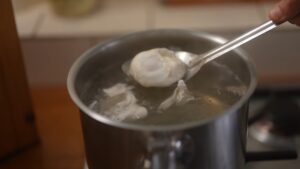
- Drain the EggsCarefully lift each poached egg from the water using a slotted spoon.Hold it over the saucepan for several seconds to allow excess water to drain.For an especially thick and creamy finished dish, lightly touch the bottom of the slotted spoon against a clean kitchen towel or paper towel before placing the egg onto the yogurt.This prevents excess poaching water from thinning the yogurt.
- Assemble the Turkish EggsPlace two poached eggs over the yogurt in each serving bowl.Spoon the warm chili butter generously over the eggs and around the yogurt.Sprinkle with chopped dill, freshly ground black pepper, and a small additional pinch of salt if desired.Serve immediately with toasted sourdough, pita, or another crusty bread.Break one of the yolks before taking the first bite. The yolk will mix with the yogurt and chili butter, creating a creamy, spicy sauce across the bottom of the bowl.

Video
Notes
- Use thick, full-fat Greek or Turkish yogurt for the creamiest texture.
- Let the yogurt sit at room temperature for 15–20 minutes before serving.
- Keep the poaching water at a gentle simmer, not a rolling boil.
- Fresh eggs hold their shape better when poached.
- Drain poached eggs well so they do not water down the yogurt.
- Heat the chili butter gently to prevent the Aleppo pepper from turning bitter.
- No Aleppo pepper? Use red pepper flakes mixed with sweet paprika.
- Serve immediately while the eggs and chili butter are still warm.
What Exactly Is Çılbır?
View this post on Instagram
Çılbır is a Turkish dish built around poached eggs and yogurt, commonly seasoned with garlic and finished with red pepper and fat.
The Turkish Ministry of Culture and Tourism includes poached eggs with yogurt, or çılbır, among its examples of Turkish cuisine. Its version combines eggs, yogurt, garlic and red pepper and cooks the eggs for several minutes in gently simmering water.
Modern recipes frequently finish the plate with butter flavored with Aleppo pepper or pul biber. That is the version I prefer because the butter carries the chili across the yogurt rather than concentrating it in isolated spots.
The Yogurt Should Be Thick Enough to Hold the Eggs
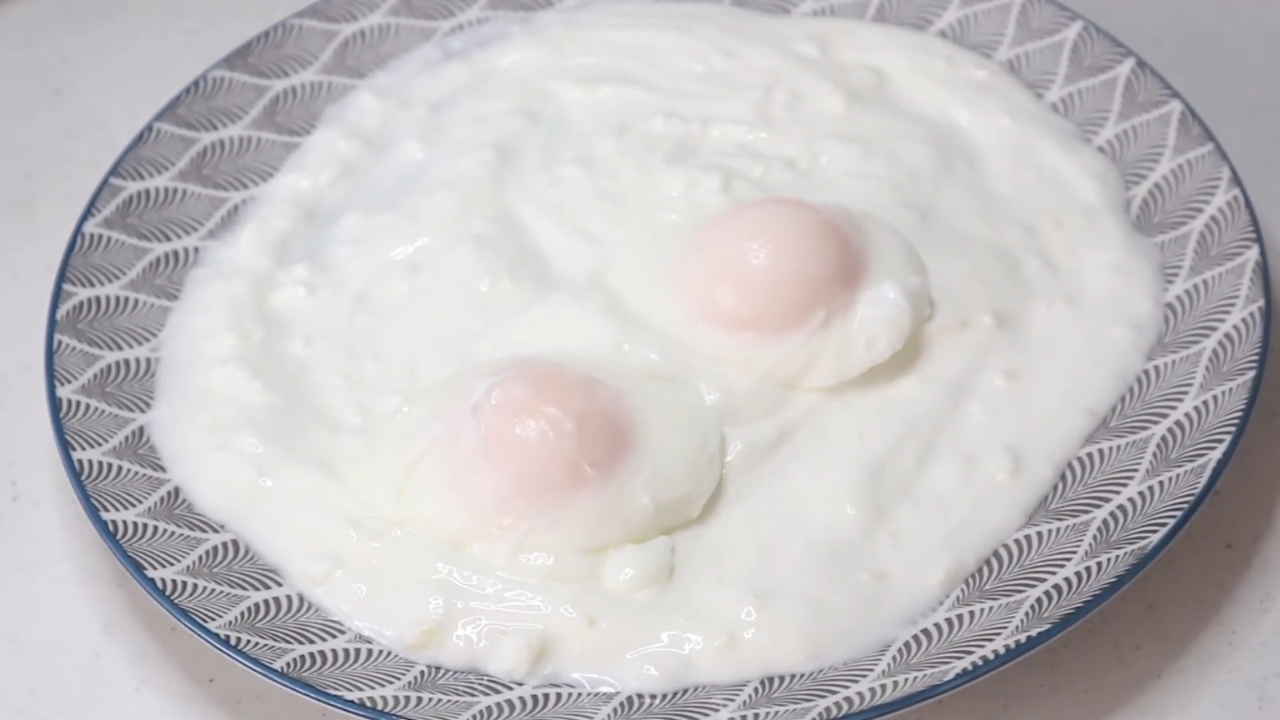
Thin yogurt turns the bottom of the bowl into soup once the warm yolk and butter arrive.
Full-fat Greek yogurt gives me the consistency I want without any additional work. Thick Turkish yogurt is another natural choice.
Regular plain yogurt can still work. Put it in a fine-mesh strainer lined with cheesecloth and leave it over a bowl until some of the whey drains away.
Garlic also needs restraint here. One small clove for a cup of yogurt gives it a clear savory edge. Two large raw cloves can overpower everything else.
If yogurt, garlic, and dill are already ingredients you keep around, our tzatziki sauce recipe uses the same basic trio in a completely different direction with cucumber and lemon.
Why Did My Poached Egg Fall Apart?
Several small problems can lead to wispy whites and a bare yolk.
- The water was boiling too hard. Keep it below a rolling boil.
- The egg was dropped from too high. Bring the ramekin close to the water before releasing it.
- The egg was older. Egg whites become looser as eggs age and spread more readily in water.
- The pan was crowded. Give every egg enough room for the white to set.
If an egg has a particularly loose outer white, cracking it into a small fine-mesh strainer for a few seconds before transferring it to a ramekin can remove some of that watery portion.
Keep the Yolks Soft, but Keep Egg Safety in Mind
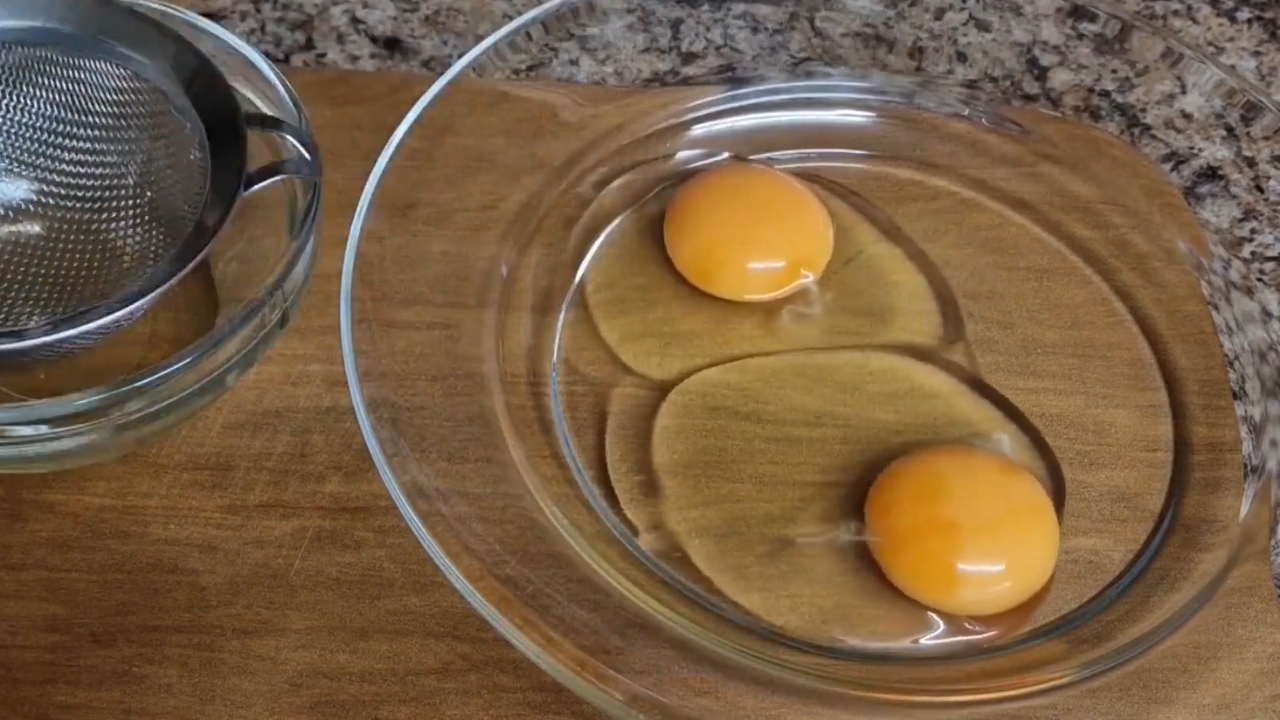
A liquid yolk is one of the defining pleasures of this recipe, but a soft yolk also means the egg has not been cooked through.
The FDA guidance on egg safety advises cooking eggs until the yolk and white are firm and recommends pasteurized eggs for preparations served raw or undercooked.
Anyone at greater risk from foodborne illness should pay particular attention to that guidance. Pasteurized shell eggs are the practical option when you want to reduce the risk associated with serving a soft yolk.
What to Serve With Turkish Eggs?
Bread is the first thing I put on the table. Toasted sourdough has enough structure for scooping up yogurt without collapsing, and warm pita works especially well when you want to tear off pieces by hand.
A simple plate can also include sliced cucumber, ripe tomatoes, olives or a few fresh herbs. None of them need a separate dressing because the chili butter and yogurt already provide plenty of flavor.
For a larger brunch, Turkish eggs can sit next to roasted potatoes, a tomato salad or grilled vegetables.
My Favorite Way to Serve It

I like çılbır in a shallow bowl rather than on a flat plate. The yogurt stays under the eggs, and the edges catch the butter and yolk instead of letting them run away.
Two eggs per person make a proper breakfast. One egg works for a smaller plate, especially if bread, vegetables, or another dish will be served alongside it.
Dill is my first choice for the finish, but parsley works when dill is not around. I keep the herbs light because the garlic and pepper already provide enough character.
For another egg-centered breakfast, our high-protein scrambled eggs take a softer, creamier route with cottage cheese and Greek yogurt. If there is Greek yogurt left in the container after making çılbır, the 5-ingredient Greek yogurt pancakes are an easy way to use it the next morning.
Frequently Asked Questions
Final Thoughts
@sameenmaali soft eggs, garlicky yogurt, spicy butter… Turkish eggs are HEAVENNN 😍 Çılbır recipe: • mix yogurt + grated garlic (2-3 cloves) + dill + squeeze of lemon (or lime) + salt • poach eggs in gently simmering water (cook ~2–3 mins for jammy yolk) • melt butter in a pan + add chili flakes + paprika (or Aleppo if you have) • spread yogurt on plate • top with poached eggs • pour over chili butter • finish with dill + toasted bread #yogurtbowl #healthyrecipe #savory #breakfastideas #easyrecipe ♬ Questo amore è un motore – Pino D’Angiò
Turkish eggs are a useful reminder that a memorable breakfast does not need ten toppings fighting for attention.
Thick yogurt gives the plate its cool, tangy base. Garlic sharpens it. A properly poached egg brings the soft yolk, and chili butter ties everything together with heat and richness.
The final job belongs to the bread. Drag it through the yogurt, yolk, and red butter left at the bottom of the bowl. Leaving any of that behind would be the only real mistake in the recipe.