
Anchovies and sardines might occupy neighboring shelves at the grocery store, but opening either tin gives you a very different ingredient.
Both are small, oily fish with plenty of protein and omega-3 fats. Similarities start to fade once processing, texture, salt content, and culinary use enter the picture.
A simple distinction makes choosing easier: anchovies usually act as a seasoning, while sardines usually act as the food itself.
Processing explains much of that difference. Anchovies are typically salt-cured for months, creating an intensely savory ingredient that can melt into sauces and dressings. Sardines are usually cooked and canned, which keeps their flesh firm enough to eat whole or add directly to a meal.
So, which tin belongs in your recipe?
What are the Key Differences Between Anchovies and Sardines
Size offers one easy visual clue. Anchovies are usually slimmer and measure around 4 to 6 inches long. They belong to the Engraulidae family. Sardines have fuller bodies, often measuring around 6 to 8 inches, and belong to the Clupeidae family alongside herring.
Processing creates an even bigger difference.
Anchovies are commonly filleted, covered in salt, cured, and packed in oil. Curing can continue for six months to a year. During that time, moisture decreases and flavor becomes highly concentrated.
Sardines go through a gentler process. Fish are generally cleaned, briefly brined, cooked, placed inside tins, and sealed. Their flesh keeps a firmer structure and flakes apart when eaten.
Flavor follows a similar pattern. Anchovies taste intensely salty, savory, and packed with umami. Sardines have a milder taste with a fuller, slightly buttery quality.
Nutritional differences matter as well.
- Whole sardines provide calcium because their small bones are soft enough to eat.
- Salt-cured anchovies generally contain considerably more sodium.
- Both options can add substantial protein without requiring much preparation.
Texture may be the most useful difference in practical cooking. Anchovies soften quickly and can nearly vanish into hot food. Sardines keep their shape much more easily, making them better when visible pieces of fish are part of the dish.
When to Reach for Anchovies
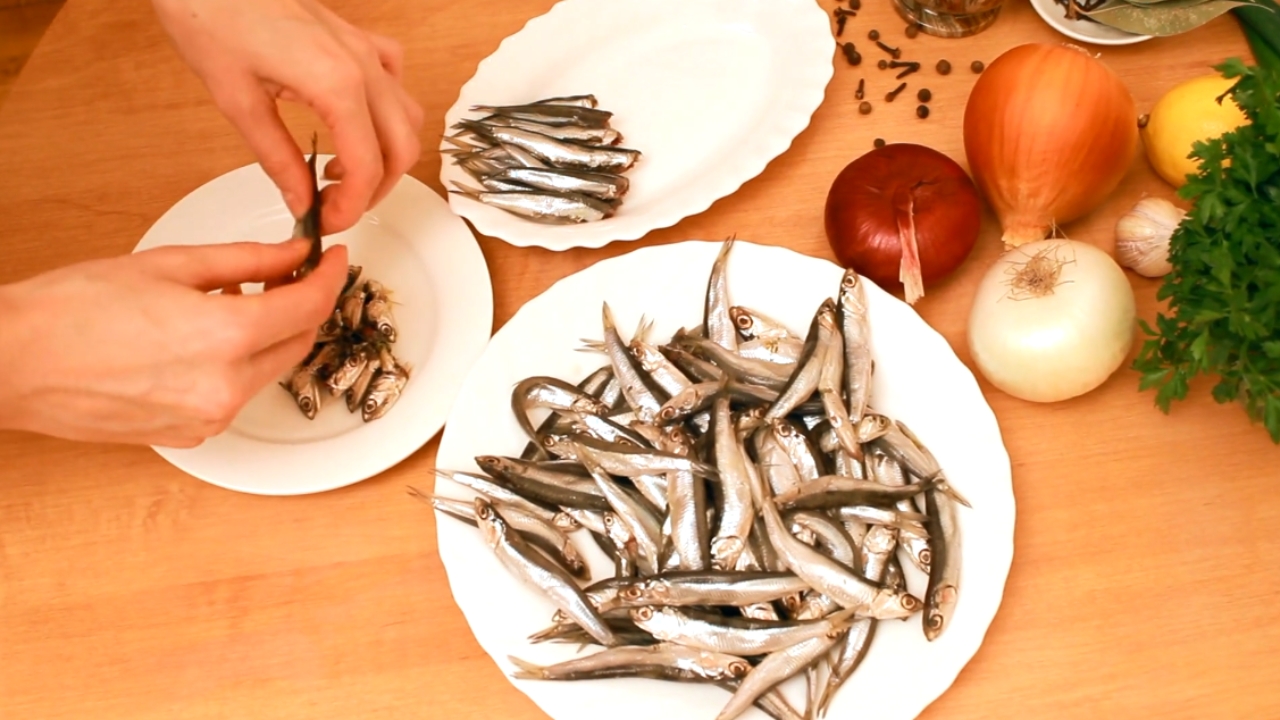
Choose anchovies when your recipe needs salt, umami, and savory intensity without large pieces of fish.
Heat changes their texture quickly. A fillet added to warm oil can soften until it mixes almost completely into garlic, onions, vegetables, or sauce. Instead of creating an obvious fish topping, anchovies season everything around them.
Cooking them briefly with garlic before adding vegetables is one example. A couple of fillets can add savory character across an entire pan of braised greens without leaving noticeable chunks behind.
- Caesar dressing
- Puttanesca
- Bagna cauda
- Tapenade
- Vinaigrettes
- Braised greens
- Anchovy butter
Small quantities usually work best. One or two fillets may be enough for a sauce, dressing, or vegetable dish, especially when other salty ingredients are already present.
Anchovies also work well in recipes that do not immediately sound fish-focused. Mashed into butter, stirred into tomato sauce, or cooked with garlic and olive oil, they can add savory intensity without dominating every bite.
Similar concentrated flavor appears in pesto, where garlic, cheese, nuts, and olive oil create a sauce with plenty of savory depth.
Think of anchovies much like a concentrated pantry seasoning. Their job is often to strengthen other flavors rather than become the main ingredient on your fork.
When to Reach for Sardines
View this post on Instagram
Choose sardines when you actually want to eat recognizable pieces of fish.
Their meatier texture makes them far better suited to meals where fish should stay intact. Sardine flesh flakes easily with a fork but does not dissolve into surrounding ingredients the way salt-cured anchovies often do.
Milder flavor also makes sardines flexible enough for quick meals. A tin can become lunch with just bread, citrus, herbs, or something spicy on the side. For another simple fish meal, pan-seared salmon steaks pair especially well with lemon, herbs, and a light sauce.
- On toast
- In salads
- With pasta
- Inside sandwiches
- In grain bowls
- On crackers
- Straight out of the tin
Acidic and spicy ingredients can cut through their natural oiliness. Lemon juice, vinegar, chiles, Dijon mustard, pickled vegetables, and scallions all work particularly well.
Sardines with chile butter and lemon on toast show how little preparation they need. Heat, acidity, and bread provide contrast while letting the fish keep its own texture.
Oil-packed sardines can also make a simple pasta more substantial. Adding them near the end of cooking helps preserve larger flakes, especially when compared with anchovies, which are often added much earlier so they can soften.
Can You Substitute One for the Other?
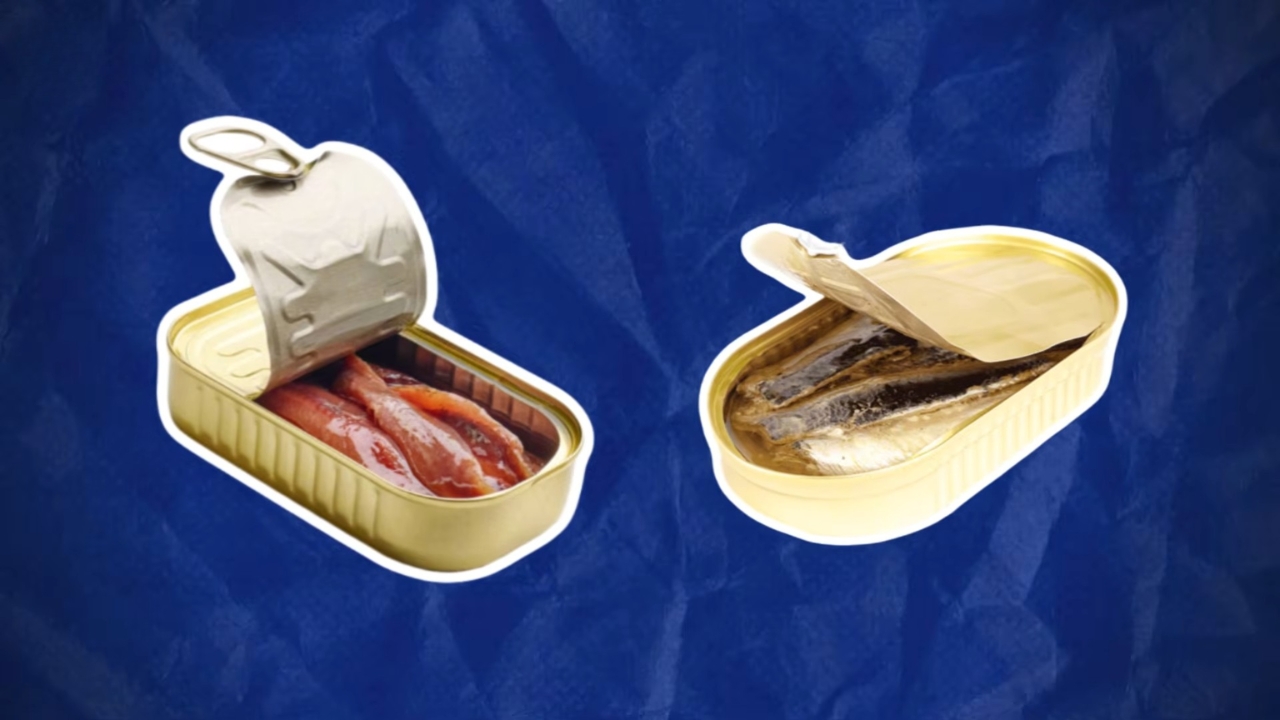
In most recipes, anchovies and sardines should not be treated as interchangeable.
Processing changes how each fish behaves once it reaches the pan. Anchovies soften and disperse salty, savory flavor through a dish. Sardines stay much more substantial and retain their flaky texture.
Using anchovies in place of sardines can create an especially noticeable problem. A recipe designed around several pieces of mild sardine may become extremely salty if an equal quantity of cured anchovies is added instead.
Sardines occasionally work in place of anchovies when a recipe can tolerate a milder fish flavor and a chunkier texture. Results will still differ, since sardines will not melt into a sauce in quite the same way.
Better substitutes depend on which fish is missing. Anchovy paste usually makes more sense when a recipe calls for anchovies, particularly in sauces and dressings. Oil-packed dark tuna can sometimes fill the role of sardines when a substantial canned fish is needed.
One important exception is worth knowing: white anchovies, also called boquerones.
Boquerones are typically marinated in vinegar rather than heavily salt-cured. Their flavor is milder, brighter, and tangier than standard oil-packed anchovy fillets. Texture also makes them much more suitable for eating whole.
As a result, white anchovies can occupy territory closer to sardines in appetizers, sandwiches, or small plates, even though their taste and preparation are still different.
Summary
@cook.with.kostas A sardine vs anchovy 😂🇬🇷#fish #cooking #eat #greek #greece ♬ Na Soun Aeras / Kardia Ha Kai Ti Harisa / Koimoume Ki Onereugome / Trehoun Ta Matia Dakrya – Vasilis Stavrakakis
Anchovies and sardines may look similar inside a tin, but each has a different job in the kitchen.
Reach for anchovies when a dish needs concentrated saltiness, umami, and savory intensity. Their cured texture allows small amounts to soften into sauces, dressings, vegetables, and butter.
Reach for sardines when fish should stay visible and substantial. Their mild flavor, flaky flesh, edible bones, and convenient packaging make them an easy protein for toast, pasta, salads, sandwiches, and quick meals.
Size matters, but processing matters more. Salt-curing turns anchovies into an intense seasoning, while cooking and canning keep sardines mild, firm, and ready to eat as the main component of a dish.