
Making true espresso without an espresso machine is difficult because authentic espresso depends on high pressure. Traditional machines typically use about 9 bars of pressure to push hot water through finely ground coffee, creating a concentrated shot with crema and a dense texture.
Several brewing methods can still produce coffee that comes surprisingly close in strength and intensity. Moka pots, AeroPress brewers, and French presses are among the most practical options for making espresso-like coffee at home.
Among these methods, a Moka pot generally produces the closest result, followed by an AeroPress and then a French press.
Moka Pot Method
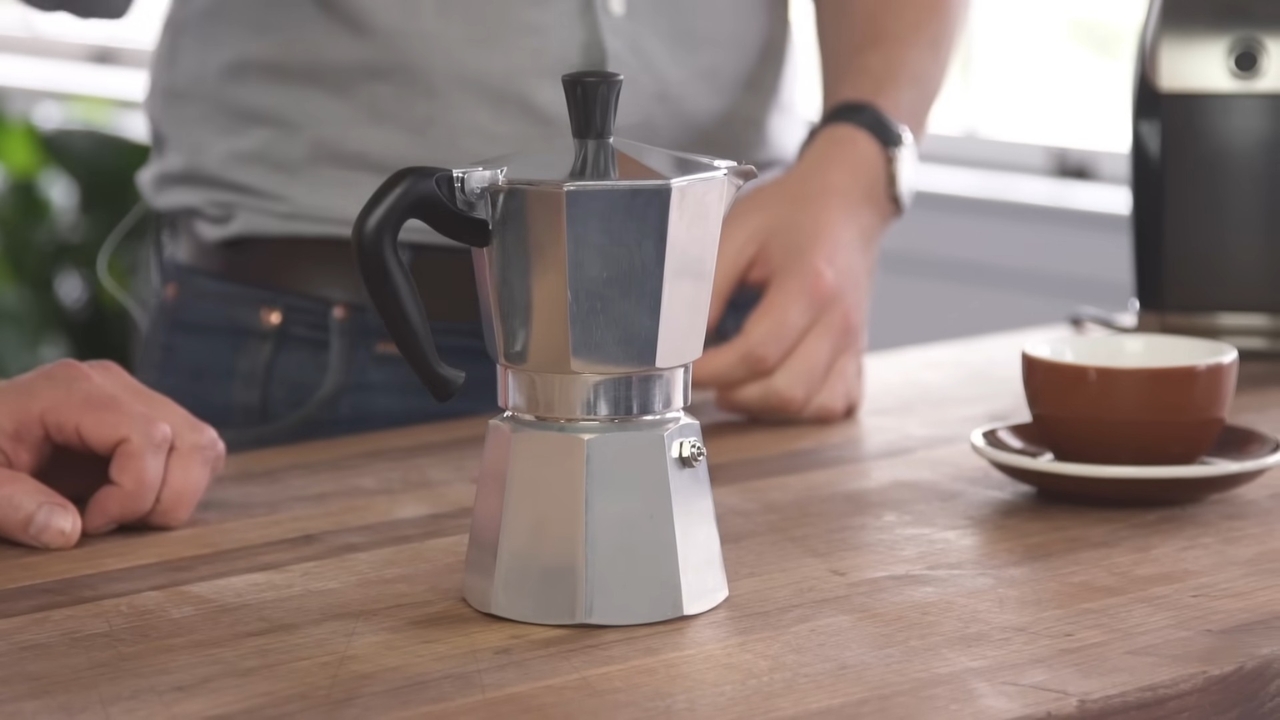
A Moka pot is often considered one of the best ways to make espresso-like coffee without an espresso machine. Steam pressure pushes hot water through coffee grounds, creating a strong and concentrated brew that works well on its own or in drinks such as lattes and cappuccinos.
Start with about 20 grams of coffee. Grind the beans slightly coarser than a traditional espresso grind, since grounds that are too fine can slow water flow and make the coffee taste bitter.
Fill the lower chamber with water until the level sits just below the safety valve. Add ground coffee to the filter basket and level it gently without pressing or tamping it down.
Place the Moka pot over medium heat and allow it to brew for roughly 3 to 7 minutes. Listen carefully as brewing approaches its final stage. Gurgling or sizzling signals that most of the water has moved through the grounds.
Remove the pot at that point to help prevent overheating and burnt flavors.
Coffee made in a Moka pot is bold, concentrated, and heavier than standard drip coffee. Pressure levels are much lower than those produced by an espresso machine, so crema will usually be limited or absent. Even so, flavor intensity makes a Moka pot particularly effective for homemade espresso-style drinks.
AeroPress Method
An AeroPress offers another practical way to produce concentrated coffee with strong espresso-like characteristics. Manual pressure helps push hot water through the grounds, allowing a small amount of water to extract plenty of flavor.
Use about 18 grams of medium-fine coffee and approximately 85 ml of water.
Wet the paper filter first, then place the coffee into the brewing chamber. Pour in hot water and let the grounds pre-infuse for about 30 to 45 seconds. Short pre-infusion helps saturate the coffee evenly before pressure is applied.
Insert the plunger and press downward steadily. Avoid pressing too aggressively, since controlled pressure generally produces a cleaner and more balanced cup.
AeroPress coffee can closely imitate espresso in flavor strength and caffeine intensity. Texture is usually thinner than coffee brewed in a Moka pot, though concentration can still be strong enough for milk-based drinks or an espresso-style shot.
Portability also makes an AeroPress useful for travel, small kitchens, offices, and other situations where larger brewing equipment is impractical.
French Press Method
View this post on Instagram
A French press cannot produce the pressure associated with espresso, but adjusting the normal brewing ratio can create a much stronger cup than standard French press coffee.
Use more coffee than you normally would. A practical starting point is about 1 tablespoon of ground coffee for every 4 ounces of water.
Heat water to around 200°F, or approximately 93°C. Add the coffee to the French press, pour in the hot water, and allow it to steep for about 3 to 4 minutes.
Press the plunger downward slowly once brewing is complete.
French press coffee usually has a heavy body because its metal filter allows natural coffee oils and very small particles into the cup. Some sediment may also be present.
Concentration is generally lower than what a Moka pot or AeroPress can achieve. Still, stronger ratios can produce a satisfying espresso-style base when no other brewing equipment is available.
Tips for Better Results
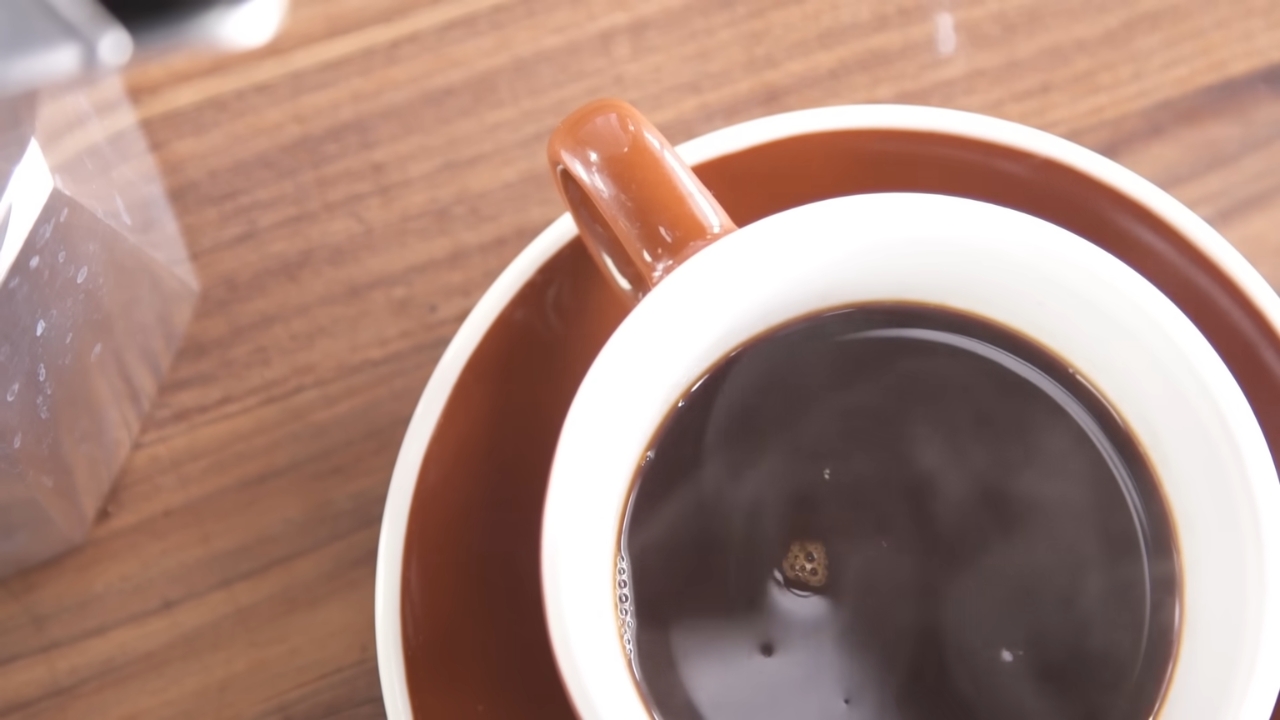
Coffee beans and brewing technique can have a major impact on how closely these methods imitate espresso.
Medium and dark roasts often work particularly well because they provide stronger, fuller flavors commonly associated with espresso. Freshly roasted and freshly ground coffee can also improve aroma and flavor clarity.
Grind size deserves close attention. Finer grounds usually increase extraction, while coarser grounds reduce it. Going too fine can create bitterness or slow brewing, especially in a Moka pot.
Water temperature also matters. Water near 200°F works well for many brewing methods because it extracts coffee efficiently without immediately scorching the grounds.
Coffee-to-water ratio gives you another way to adjust intensity. Using more coffee or slightly less water generally creates a stronger drink. Brewing time can also be adjusted in small increments until you reach your preferred strength.
A consistent grinder can make these adjustments easier because evenly sized coffee particles tend to extract more predictably.
Concentrated coffee made with a Moka pot or AeroPress can also work well in drinks such as an espresso tonic. Pour the coffee over ice and tonic water for a cold drink where the coffee’s bitterness pairs with the tonic’s carbonation and slight sweetness.
Summary
@ashleydensen You don’t need a fancy espresso machine to enjoy espresso at home! My boyfriend home brews his espresso every morning and it’s his favorite. He loves using the brand @Café Bustelo #espresso #espressotiktok #coffeeathome #cooking #coffeetiktok ♬ original sound – Gold Coast Titans
Authentic espresso requires pressure that home brewing tools such as Moka pots, AeroPress brewers, and French presses cannot fully reproduce. Still, each method can create strong, concentrated coffee that works well as an espresso substitute.
Moka pots generally come closest in concentration and body. AeroPress brewers offer portability, speed, and strong flavor with a lighter texture. French presses provide a practical option for anyone who already owns one and wants to make a stronger-than-usual cup.
Choosing among them comes down to the equipment you have and the type of coffee texture you prefer.