
Yes, watermelon seeds are edible and generally safe to eat. Both soft white seeds and mature black seeds can be consumed, although their texture and digestibility differ.
Many people still avoid watermelon seeds because of the old myth that swallowing one could cause a watermelon plant to grow inside your stomach. Seeds cannot grow in the human digestive system, so accidentally swallowing them is not a concern.
White seeds are soft enough to eat along with watermelon flesh. Mature black seeds are firmer and may be more pleasant after roasting or sprouting.
Are Watermelon Seeds Safe to Eat?
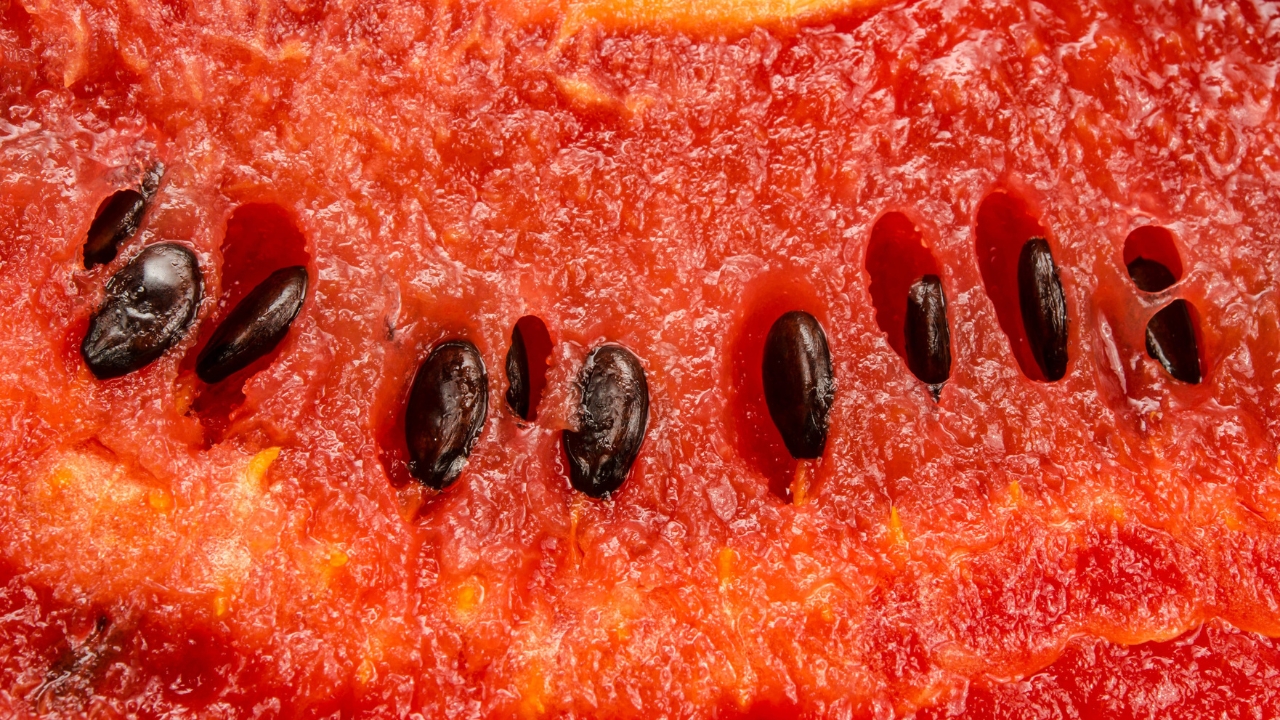
Watermelon seeds are safe to eat in moderate amounts. Small white seeds can usually be chewed along with the fruit without any special preparation.
Mature black seeds have a harder outer coating. When eaten whole and raw, much of that coating acts like insoluble fiber and may move through your digestive system without being completely broken down.
Cooking, roasting, grinding, or sprouting mature seeds can make them easier to eat and may also make some nutrients more accessible.
Eating very large amounts at once can cause digestive discomfort, especially for people who are not accustomed to fiber-heavy foods. Extra caution may also be sensible for people with seed or watermelon allergies, swallowing problems, or poor tolerance for seeds.
Are They Good for You?
Watermelon seeds offer more nutritional value than their small size might suggest. They contain plant protein, fiber, unsaturated fats, magnesium, zinc, iron, and several other minerals.
One ounce provides roughly 8 grams of protein and 4 grams of fiber.
- Magnesium contributes to normal muscle and nerve function.
- Zinc plays a role in immune function and normal cell activity.
- Iron supports normal oxygen transport in the body.
- Polyphenols add naturally occurring antioxidant compounds to their nutritional profile.
Nutritionally, watermelon seeds share several similarities with pumpkin seeds.
A practical portion can be around 1 to 2 tablespoons when sprinkled over a meal. About 1 ounce can work as a snack, especially when the seeds are roasted.
Can You Eat Black Watermelon Seeds?
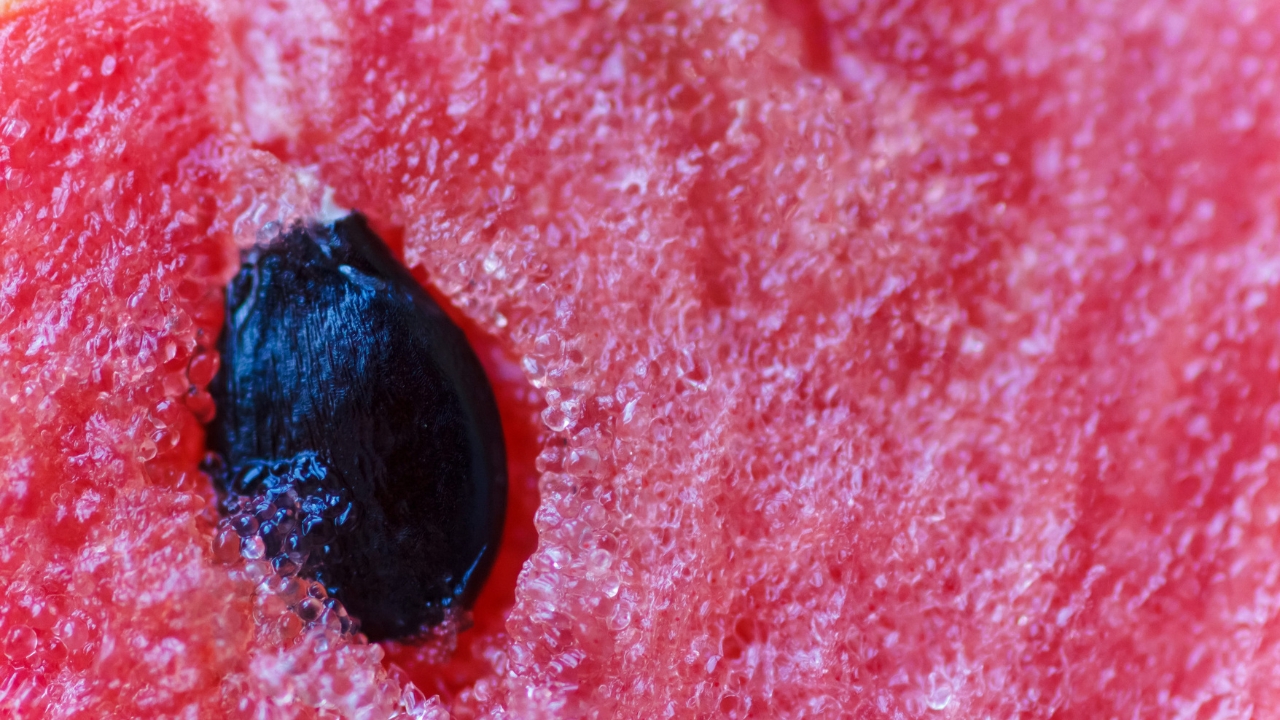
Yes, black watermelon seeds are completely edible. Black seeds are mature, fertilized seeds, which explains why they are firmer than the small white seeds often seen in seedless watermelon.
Raw black seeds can be difficult to chew in large quantities because of their tough outer layer. Swallowing a few while eating watermelon is generally not a problem, but preparing them can improve both texture and flavor.
Roasting gives mature seeds a crunchy texture and a mild, slightly nutty taste. Sprouting offers another way to prepare them before eating.
Black seeds are also capable of germinating when planted under suitable growing conditions because they have reached maturity.
Can You Eat White Ones?
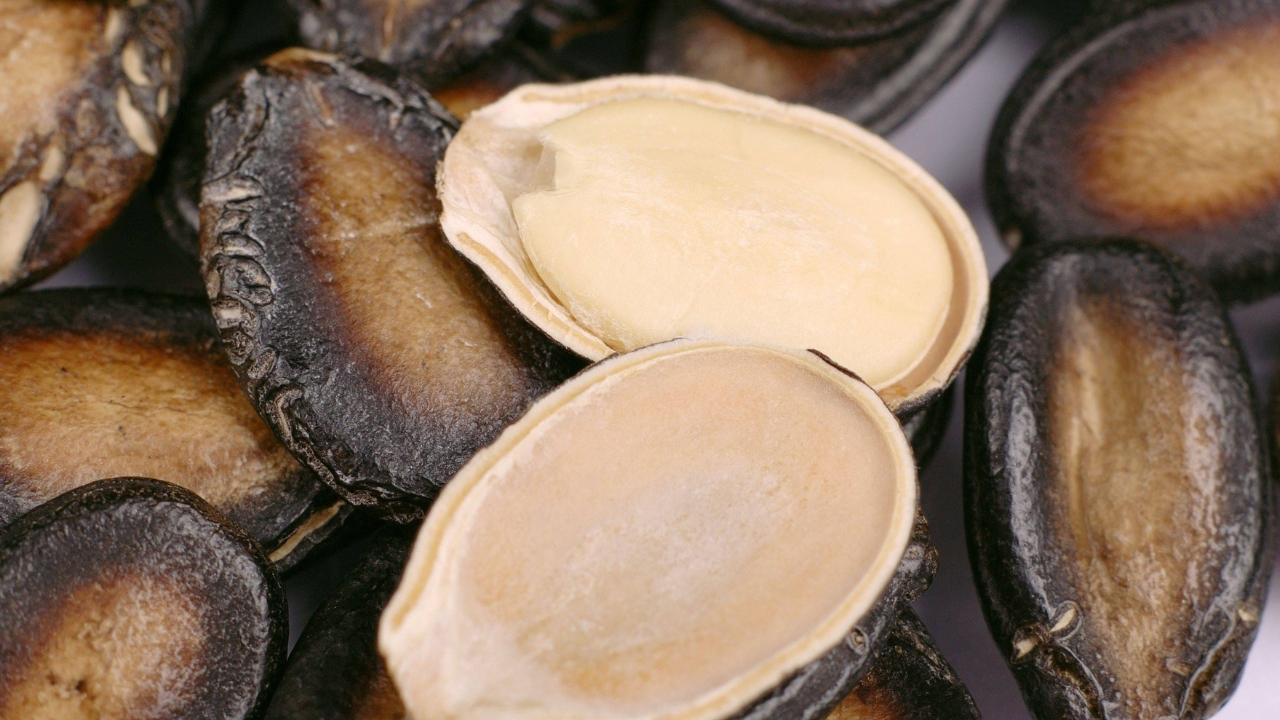
Yes, white watermelon seeds are edible too. Small white seeds commonly found inside seedless watermelons are immature seeds or immature seed coats.
Their soft texture makes them easy to chew along with watermelon flesh. The flavor is mild enough that many people barely notice them while eating.
Unlike mature black seeds, white seeds cannot grow into watermelon plants because they have not fully developed.
Softer texture also makes white seeds suitable for grinding. Ground seeds can be added to flour mixtures or used in other foods without the toughness associated with mature raw seeds.
How Can You Eat Them
View this post on Instagram
Preparation depends mostly on the type of seed. White seeds require almost no effort and can simply be eaten along with the watermelon.
Mature seeds offer more options once roasted, sprouted, or ground. Ground watermelon seeds can be used in many of the same meals as ground flaxseeds, including yogurt, oatmeal, and baked foods.
Roasted watermelon seeds can replace pumpkin or sunflower seeds in many dishes.
- sprinkling roasted seeds over salads, grain bowls, soups, or roasted vegetables
- adding them to yogurt, granola, or trail mix
- grinding them into seed butter or flour
- mixing ground seeds into pesto or sauces
- adding seed flour to breads or crackers
Roasted watermelon seeds also work well as a crunchy topping for high-protein overnight oats.
Sprouting mature black seeds can also soften their structure and make them easier to eat.
Roasting is often the simplest choice for people who want to eat mature seeds as a snack. Heat improves their crunch and brings out their mild nutty flavor.
Summary
@therealbassandboujee #bassandboujee #fyp #foryoupage #husbandwifecomedy #fruit ♬ original sound – The Real Bass and Boujee
Both white and black watermelon seeds are edible, so there is no need to pick out every seed before eating the fruit.
White seeds are soft and easy to eat directly with watermelon. Mature black seeds are tougher, making roasting, sprouting, or grinding better options for many people.
They also provide meaningful amounts of protein, fiber, unsaturated fats, magnesium, zinc, iron, and other nutrients. Instead of automatically throwing them away, they can be eaten as a snack or used in meals much like pumpkin or sunflower seeds.