
Order a margarita with mezcal, and the first sip may bring roasted agave, wood smoke, or an unexpectedly floral aroma. A tequila version often puts pepper and citrus closer to the foreground. The shared ingredients in the shaker make the differences surprisingly easy to notice.
The main difference between mezcal and tequila starts with agave. Tequila uses blue Weber agave, while mezcal can draw on many agave species. Their permitted regions and production methods also differ. Mezcal commonly has smoky notes, with intensity varying considerably between bottles.
Both Mexican spirits reward slow sipping, and either can make an excellent cocktail. Choosing becomes easier when you know what the plant, oven, and label contribute.
Mezcal vs Tequila at a Glance
The comparison below describes broad tendencies. A producer’s choices can create substantial variation within either category.
| Feature | Tequila | Mezcal |
|---|---|---|
| Agave used | Blue Weber agave | Multiple species, including espadín |
| Main production center | Jalisco | Oaxaca |
| Common cooking method | Steam in masonry ovens or autoclaves | Roasting in earthen pits; other methods also exist |
| Possible flavor notes | Cooked agave, pepper, citrus, herbs | Roasted agave, fruit, earth, herbs, smoke |
| Aging options | Blanco and several barrel-aged styles | Joven, wood-aged, and glass-matured styles |
Shared Roots, Different Agaves and Places
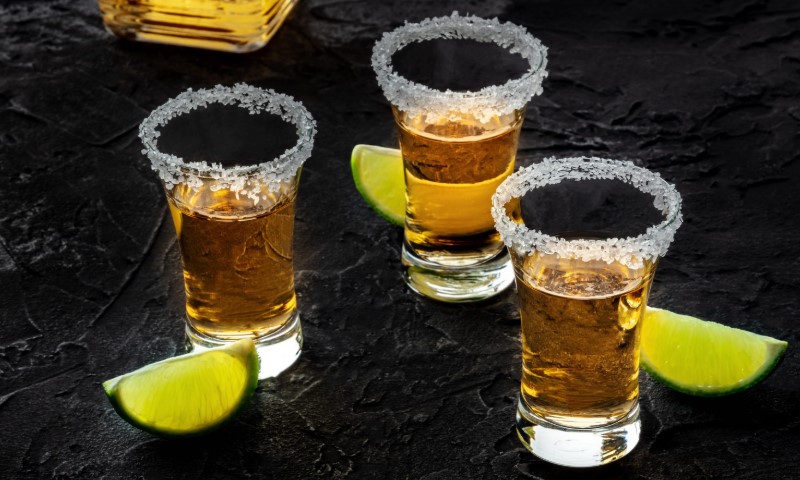
“Same plant” is shorthand for a shared botanical genus. Agave includes many species of succulent, each bringing different growing characteristics and raw material to the distillery, like Amareto and Amaro.
Tequila’s permitted variety is Agave tequilana Weber azul, commonly called blue Weber agave. Mezcal producers use a wider selection. Espadín, Agave angustifolia, is especially important in Oaxaca; Agave durangensis is associated with Durango.
A scientific review of regional mezcal production documents how species and local practices vary across Mexico.
Historically, tequila belongs to the broader mezcal tradition of distilled agave drinks. Modern tequila and mezcal have separate protected identities and standards. The familiar saying “all tequila is mezcal” works as historical shorthand; buying and labeling require the modern distinctions.
Geography is part of the identity
Tequila’s protected production territory covers Jalisco and designated municipalities in Guanajuato, Michoacán, Nayarit, and Tamaulipas. Mezcal has its own authorized territory, including areas in Oaxaca, Guerrero, Durango, and several other states.
The relationship between agave and place reaches deep into Mexican history. UNESCO’s account of the Tequila agave landscape describes at least 2,000 years of using agave for fermented drinks and cloth. Cultivation and processing helped shape the landscape long before bottles reached international cocktail bars.
How Cooking Changes the Spirit
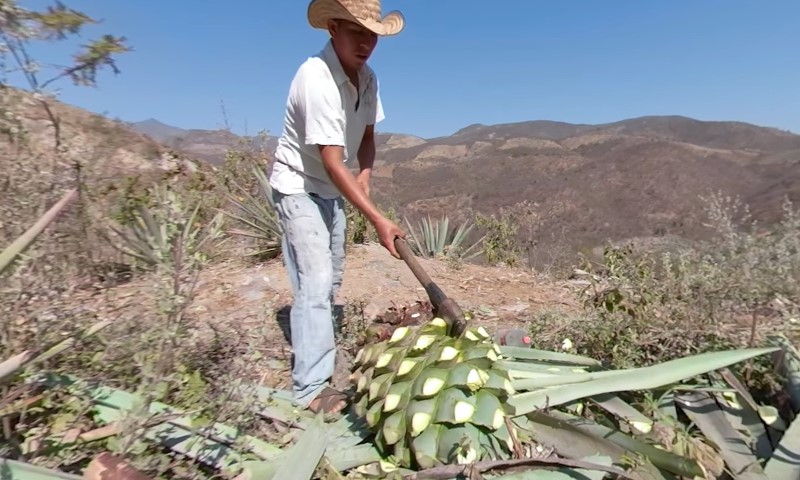
Harvesters remove the agave’s long leaves to expose its core, called the piña. Cooking converts stored carbohydrates into sugars that yeasts can ferment. Distillation then concentrates the alcohol and selected aromatic compounds.
Picture the difference between steamed vegetables and vegetables cooked beside glowing embers. Heat and its source help explain why two agave spirits can head in different flavor directions.
Tequila’s Steam-Cooked Starting Point
Many tequila producers cook agave in masonry ovens supplied with steam. Others use pressurized autoclaves. After extraction, the sugary liquid is fermented and distilled.
The Wine & Spirit Education Trust explains how cooking and fermentation choices influence the finished spirit. Yeast selection, extraction equipment, and stills all affect character.
Two tequilas made from blue agave can therefore taste markedly different before either spends time in a barrel.
Mezcal’s Ovens and Production Categories
Traditional pit roasting places agave over heated stones in an earthen oven, then covers it for cooking. The process can introduce smoky aromas alongside the agave’s own character. Smoke intensity depends on how production is handled.
Mexico’s official mezcal standard separates production into three categories:
- Mezcal: permits a broad range of equipment, including autoclaves and column stills.
- Mezcal artesanal: permits pit or masonry ovens, specified crushing methods, and directly heated copper or clay pot stills.
- Mezcal ancestral: requires pit cooking and directly heated clay-pot distillation, with restricted crushing equipment.
The terms describe production methods. A category can help explain a bottle’s background, while personal preference still determines how much you enjoy it.
What Do Mezcal and Tequila Taste Like?
View this post on Instagram
Blanco tequila often suggests cooked agave with pepper, citrus peel, or green herbs. Barrel-aged versions can acquire vanilla-like aromas, woody spice, and a rounder impression.
Mezcal offers an especially wide range of possible aromas. Depending on the bottle, you might notice roasted fruit, flowers, damp earth, or savory flavors. Smoke may be pronounced, subtle, or barely noticeable.
Treat tasting descriptions as reference points. A pineapple-like aroma can help you describe a spirit without implying that pineapple was added during production. Equally, a bottle described as “mineral” may evoke wet stone or a dry, stony sensation.
For a useful first comparison, choose a blanco tequila and a joven espadín mezcal with similar alcohol strengths. Comparable proof helps you separate flavor preferences from your response to alcohol intensity.
Reading the Label Before Buying
A few label details can narrow the choice considerably. Begin with the sugar source and aging class, then check alcohol strength and the producer information available.
Tequila: Agave Content and Barrel Time
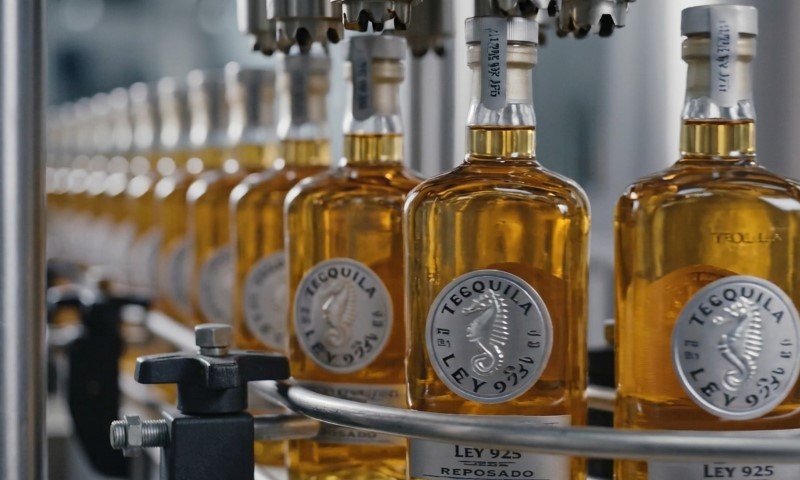
The Tequila Regulatory Council recognizes two categories: 100% agave tequila, whose fermentation sugars come entirely from blue agave, and tequila, which requires at least 51% blue-agave sugars. The latter category is often called mixto.
That percentage describes the fermentation sugars. Under the tequila production standard, some styles may also receive permitted finishing ingredients, such as caramel coloring or glycerin. For readers interested in additive-free production, a separate, specific producer statement is useful.
For an initial comparison focused on agave flavor, choose a 100% agave blanco. If you enjoy oak influence, tequila’s aging terms provide useful minimums: reposado spends at least two months in oak, añejo at least one year, and extra añejo at least three years.
Mexico permits tequila at 35% to 55% alcohol by volume. Mezcal’s standard permits the same range. Compare the actual ABV printed on each bottle; category names alone cannot tell you which is stronger.
Mezcal: Agave, Maker, and Batch
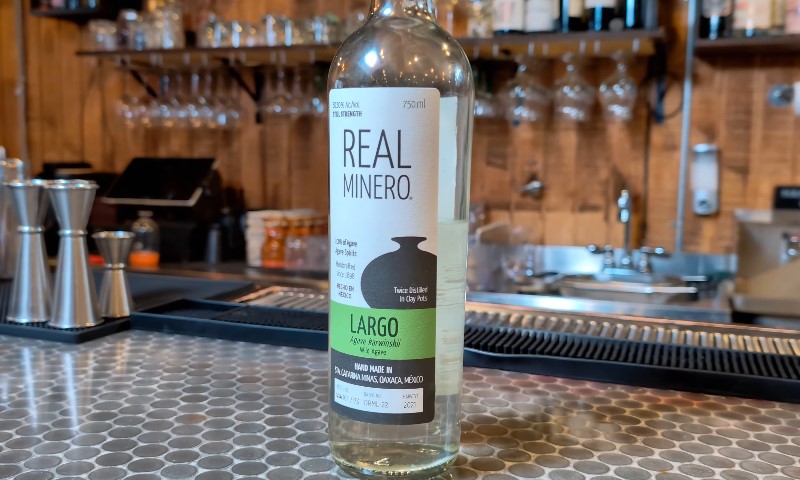
Mezcal uses entirely agave-derived fermentation sugars. Look for the agave name, production location, and category. Producer notes may also identify the maestro mezcalero, the person responsible for making the spirit, and explain the oven or still used.
Joven means unaged. Another label, madurado en vidrio, indicates more than 12 months of maturation in glass under controlled storage conditions. Glass storage allows time for the spirit to evolve without extracting oak flavors, offering another way to explore maturity.
An espadín joven offers a practical starting point. As you explore, changing one variable at a time is useful: try espadín from another producer, then another agave from a producer you already enjoy. You will have a clearer basis for comparison.
When comparing prices, check bottle size as well as the shelf price. A smaller bottle may be a sensible way to explore an unfamiliar style, even when its cost per serving is higher. A bar pour can help you judge a premium bottle before committing.
Choosing for Cocktails or Sipping
For a familiar margarita or paloma, blanco tequila provides a versatile starting point. Mezcal can bring roasted or savory character to the same citrus-led drinks.
If you are experimenting with a smoky mezcal, replace half the tequila in your usual recipe first. Keeping the citrus and sweetener unchanged makes the effect easier to judge. Adjust the proportion on your next attempt according to taste.
For sipping, pour a small amount into a clean tasting glass at room temperature. Smell gently, take a small sip, and pause. Try a few drops of water if you want to explore how dilution changes the aromas.
At a bar, asking for “something floral with gentle smoke” gives the bartender a useful direction. Mentioning a flavor you enjoy is especially helpful when the bottle list feels unfamiliar.
FAQs
Let Your Palate Choose
Mezcal vs Tequila becomes a richer comparison once you can connect a flavor to an agave, a cooking method, or time in wood. Start with two clearly labeled bottles and taste patiently.
The most useful discovery is the character you want to return to, whether it comes with bright pepper, fragrant fruit, or a quiet trace of smoke.