
Antioxidants often come up in conversations about healthy eating, workout recovery, disease prevention, and overall wellness. Many people connect them with colorful fruits, vegetables, nuts, beans, seeds, and dark chocolate because these foods tend to contain high levels of protective plant compounds.
At a basic level, antioxidants help protect cells against damage caused by free radicals. Free radicals are unstable molecules that can build up during normal metabolism, exposure to pollution, stress, intense exercise, and other everyday processes. When too many free radicals collect in the body, oxidative stress can occur.
A varied diet filled with colorful plant foods, nuts, legumes, seeds, and cocoa-heavy dark chocolate is one of the best ways to support antioxidant intake.
Instead of relying on one “superfood,” a balanced eating pattern gives the body many antioxidant nutrients and compounds that work in different ways.
What Are Antioxidants?
Antioxidants are compounds made by the body and supplied through foods that help protect cells against free radical damage. They work by helping neutralize unstable molecules before those molecules can cause larger cellular harm.
Free radicals are unstable molecules created during normal body processes, environmental stress, and physical stress.
Exercise, pollution, smoking, UV exposure, illness, and everyday metabolism can all increase free radical production. Small amounts are normal, but buildup can create a problem.
Oxidative stress happens when free radical activity becomes higher than the body’s antioxidant defenses can manage. Over time, oxidative stress can damage DNA, proteins, cell membranes, and other important cell structures.
Several long-term health concerns have been linked with chronic oxidative stress, including:
- Heart disease
- Cancer
- Type 2 diabetes
- Long-term inflammatory health problems
Eating antioxidant-dense foods may help raise antioxidant levels in the blood. Higher antioxidant availability can help the body manage oxidative stress more effectively, especially when paired with regular movement, enough sleep, hydration, and a balanced lifestyle.
Foods Highest in Antioxidants
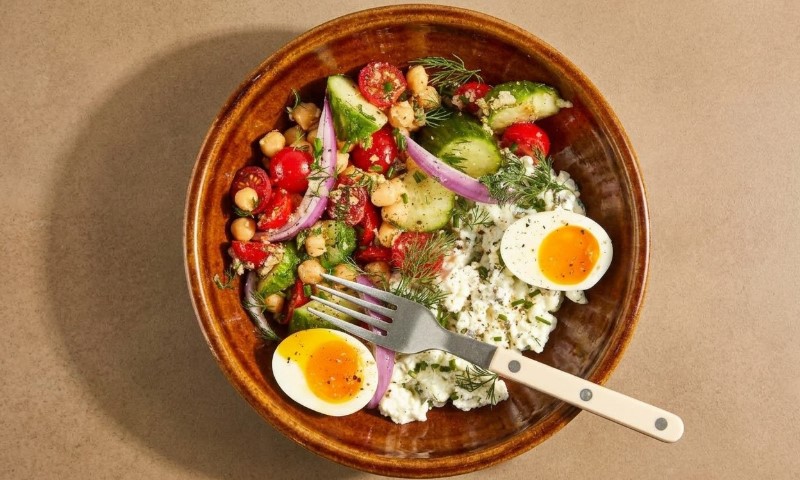
Berries are among the most antioxidant-dense foods in a healthy diet. They provide vitamin C, fiber, polyphenols, and anthocyanins while usually staying low in calories.
Berries also fit easily into meals and snacks because they can be eaten fresh, frozen, cooked, or added to simple dishes. Useful options include:
- Oatmeal or overnight oats
- Smoothies
- Greek yogurt bowls
- Cottage cheese bowls
- Salads
- Whole-grain toast toppings
Blueberries
Blueberries are low in calories but packed with nutrients and antioxidants. They contain high levels of anthocyanins, the pigments that give them their blue-purple color.
Some studies suggest blueberries rank among the highest antioxidant common fruits and vegetables. Regular intake may help support anti-inflammatory activity, especially in active people.
One study found that eating 1 cup of blueberries per day was associated with an improved anti-inflammatory response after exercise. For athletes and regular exercisers, blueberries can fit well into oatmeal, smoothies, yogurt bowls, salads, or snacks.
Strawberries
Strawberries provide vitamin C, fiber, and antioxidant compounds. Their red color comes partly through anthocyanins, which may help support heart health.
A portion of strawberries can add sweetness, hydration, and antioxidant value without many calories. Pairings that add protein or healthy fats can make the snack more balanced:
- Greek yogurt
- Cottage cheese
- Oatmeal
- Walnuts or pecans
- Whole-grain toast
Raspberries
Raspberries provide dietary fiber, manganese, vitamin C, and antioxidant compounds. Their anthocyanin content contributes to anti-inflammatory activity and gives them their red color.
Fiber in raspberries also supports digestion and blood sugar balance. Added to breakfast bowls, smoothies, or salads, raspberries can boost both antioxidant intake and fiber intake.
Cranberries
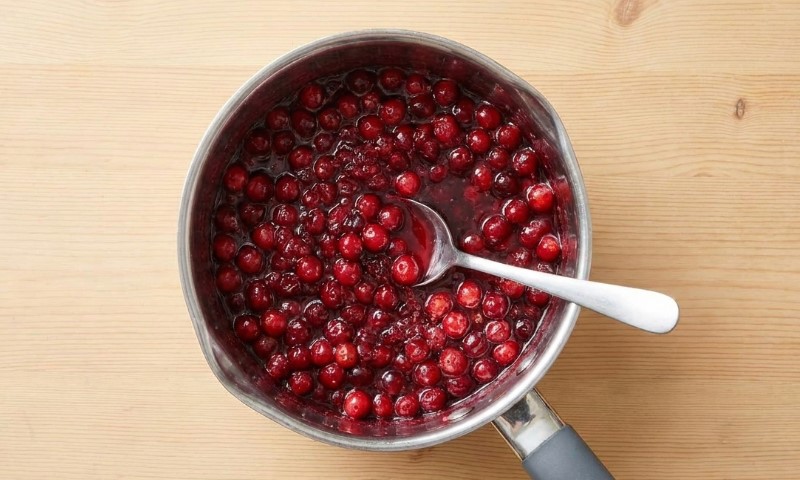
Cranberries contain polyphenols, vitamin C, and flavonoids. Their tart flavor makes them different than many sweeter berries.
Fresh cranberries are seasonal, but frozen and dried cranberries are available year-round. Unsweetened or lightly sweetened options can help limit added sugar while still adding antioxidant compounds.
For everyday use, cranberry options can vary in sugar content:
- Fresh cranberries usually taste very tart
- Frozen cranberries work well in cooked dishes and smoothies
- Dried cranberries often contain added sugar
- Unsweetened cranberry products can be a better fit for lower-sugar eating patterns
Tart Cherries and Tart Cherry Juice
Tart cherries and tart cherry juice contain polyphenols, especially anthocyanins. Their antioxidant and anti-inflammatory activity has made them popular among runners, cyclists, lifters, and other active people.
Tart cherry juice may help reduce muscle soreness and improve recovery time after hard training. Montmorency tart cherry juice is often noted for helping reduce post-exercise inflammation and speed recovery.
A common athletic intake range is specific enough to keep in mind:
- 8.5 to 12 ounces of tart cherry juice
- Twice daily
- Two to three days after an athletic event
Portion size matters for people watching sugar intake because juice is more concentrated than whole fruit.
Dark Chocolate
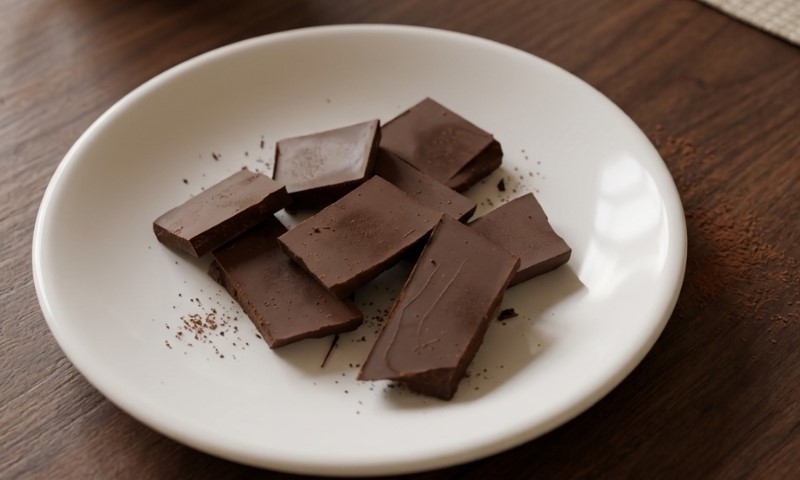
Dark chocolate contains cocoa antioxidants, including flavonoids. Higher cocoa percentages generally contain more cocoa solids, which usually means higher antioxidant content.
Moderate dark chocolate intake may support anti-inflammatory effects and heart health. Cocoa flavonoids may also improve blood flow and reduce inflammation, which can support muscle recovery.
Research in active men suggests dark chocolate may reduce exercise-related muscle injury biomarkers and oxidative stress markers. Best choices usually have a higher cocoa percentage and less added sugar.
Small portions work best. A square or two after a meal, cocoa powder in oatmeal, or dark chocolate with nuts can add antioxidant value without turning the food into a high-sugar dessert.
Nuts
Nuts provide healthy fats, minerals, vitamin E, polyphenols, and other antioxidant compounds. They can support heart health, satiety, and recovery when eaten in reasonable portions.
Nuts are calorie-dense, so small amounts can still add meaningful nutrition. Practical portions include:
- A small handful
- ½ ounce to 1 ounce
- A spoonful added to oatmeal or yogurt
- Chopped nuts sprinkled over salads or roasted vegetables
Walnuts
Walnuts contain vitamin E, polyphenols, and healthy fats. These nutrients may help protect cells against free radical damage and support recovery after exercise.
Healthy fats in walnuts may also help reduce inflammation. A small 2024 study found that healthy older men who ate ½ ounce of walnuts daily for six weeks while doing resistance and endurance exercise had slightly greater strength gains and better sleep than men who did not eat walnuts.
Walnuts can be added to oatmeal, yogurt, salads, roasted vegetables, or snack plates. Since they are calorie-dense, small portions are enough.
Pecans
Pecans contain healthy minerals, fats, and a high antioxidant percentage compared with many foods. They may help raise antioxidant levels in the blood and lower harmful cholesterol when included in a balanced diet.
Pecans work well in oatmeal, salads, roasted vegetable dishes, or homemade trail mixes. Unsalted versions are usually a better everyday choice.
Leafy Greens and Cruciferous Vegetables
@joybauerhealth 3 EASY WAYS TO EAT MORE LEAFY GREENS ⤵️ Leafy greens made my Top 5 Foods for Women 50+ list for good reason! 💚 These nutrient-packed powerhouses provide vitamins, minerals, fiber, and antioxidants to support overall health and vitality. So many of you were asking about creative ways to eat more of them… I’ve got you covered! 💁🏻♀️ 🥣 Toss them into warm dishes like soups and stews—heat softens the greens, making them extra delicious and easy to eat! 🍳 Add them to scrambled eggs for a hearty, brain-boosting breakfast 🥬 Make crispy kale chips for a crispy snack packed with the good stuff Small changes = BIG benefits for feeling your absolute best at any age! ✨✨ #healthyliving #healthyaging #nutritiontips #nutrition #womenshealth #healthyeating
Leafy greens and cruciferous vegetables provide vitamins, minerals, fiber, and antioxidant plant compounds. Many are low in calories while offering high nutrient value.
Color often gives clues about antioxidant content in these vegetables. Dark green, purple, and red varieties commonly provide protective pigments along with vitamins and minerals.
Spinach
Spinach contains vitamins, minerals, and antioxidants while staying low in calories. Key antioxidants include vitamin C, beta-carotene, lutein, and zeaxanthin.
Lutein and zeaxanthin help protect eye tissues against free radical damage. Spinach may also support tissue repair and help combat oxidative stress.
Spinach can be used in many quick meals:
- Salads
- Eggs
- Smoothies
- Soups
- Pasta dishes
- Grain bowls
Light cooking can reduce volume and make it easier to eat larger amounts.
Kale
Kale is a cruciferous vegetable in the Brassica oleracea species. It provides vitamins A, C, and K, plus antioxidant compounds.
Red kale may contain about double the antioxidants of regular kale. Both types can support antioxidant intake and add fiber, minerals, and color to meals.
Kale can be eaten raw in salads, baked into chips, mixed into smoothies, or cooked into soups and sautés.
Red Cabbage
Red cabbage, also called purple cabbage, provides vitamins C, K, and A. It also has a high antioxidant percentage due to its purple pigments.
Crunchy texture makes red cabbage useful in slaws, tacos, grain bowls, salads, and stir-fries. Cooking can soften its texture, while raw cabbage keeps a crisp bite.
Colorful Vegetables and Root Vegetables
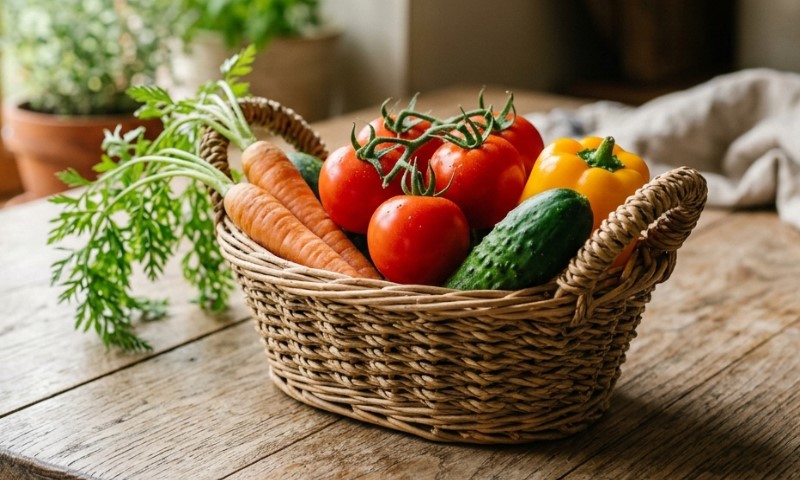
Colorful vegetables and root vegetables add antioxidants, fiber, minerals, and carbohydrates that support daily energy needs.
Several colors often point to different antioxidant compounds:
- Orange foods often contain beta-carotene
- Red-purple foods may contain betalains or anthocyanins
- Dark green foods often contain carotenoids such as lutein and zeaxanthin
Sweet Potatoes
Sweet potatoes provide complex carbohydrates that help replenish glycogen stores after exercise. Glycogen is the stored carbohydrate that muscles use during activity.
Sweet potatoes also contain beta-carotene and vitamin C. These nutrients help neutralize free radicals and support muscle tissue repair.
Baked, roasted, mashed, or air-fried sweet potatoes can pair with eggs, chicken, beans, fish, tofu, or Greek yogurt-based toppings for a balanced meal.
Beets
Beets provide potassium, fiber, iron, folate, and antioxidant compounds. Their color comes largely through betalains, antioxidant pigments linked with health benefits.
Beets can be roasted, steamed, pickled, juiced, or added to salads and grain bowls. Beet juice is also popular among athletes, though whole beets provide more fiber.
Citrus Fruits
Citrus fruits provide vitamin C, hydration, and bright flavor. Oranges are one of the most familiar vitamin C foods.
Citrus can be especially useful when paired with foods that add protein, fat, or fiber. Better snack balance can come through combinations such as orange slices with Greek yogurt, cottage cheese, nuts, or whole-grain toast.
Oranges
Oranges are high in vitamin C, a powerful antioxidant that the body cannot make on its own. Vitamin C supports immune health, collagen formation, and cell protection.
Orange slices can pair with protein-heavy foods such as cottage cheese or Greek yogurt. Adding walnuts creates a nutrient-dense snack with vitamin C, protein, healthy fats, and antioxidant compounds.
Beans and Legumes
Beans and legumes are affordable, high in fiber, and filled with antioxidant compounds. They also provide plant protein, minerals, and slow-digesting carbohydrates.
Beans contain kaempferol, an antioxidant compound associated in some studies with anticancer benefits. Black beans, pinto beans, kidney beans, lentils, chickpeas, and other legumes can all contribute to antioxidant intake.
Bean-based meals can support blood sugar balance, digestion, fullness, and heart health. Simple options include bean soups, chili, hummus, lentil bowls, bean salads, and tacos.
Summary
Antioxidants help protect the body against free radical damage and oxidative stress. They support cellular health, may help manage inflammation, and can play a helpful role in exercise recovery.
Most antioxidant-dense foods are colorful plant foods. Berries, leafy greens, legumes, nuts, root vegetables, citrus fruits, beets, tart cherries, and cocoa-heavy dark chocolate are all strong choices.
Variety matters more than chasing one perfect food. Eating many fruits, vegetables, nuts, seeds, beans, whole grains, dairy foods, and lean proteins gives the body a wider range of nutrients and protective compounds.