
A quart can sound like a small unit, but in everyday cooking, it often marks a bigger batch.
Soup bubbling on a stove, broth poured into a pot, milk measured for a recipe, or water added to a pitcher may all call for quarts. Once quarts enter a recipe, ounces are usually close behind.
For U.S. liquid measurements, the number to remember is simple: 1 U.S. liquid quart equals 32 fluid ounces.
Quick Answer
- 1 U.S. liquid quart equals 32 fluid ounces. That is the main conversion to remember when measuring liquid ingredients in American recipes.
- 2 quarts equal 64 fluid ounces. That amount often appears in larger recipes, such as a pot of soup, a batch of iced tea, or a pitcher of lemonade.
- 4 quarts equal 128 fluid ounces, which also equals 1 gallon. Since 1 gallon contains 4 quarts, quarts are easy to connect with larger liquid measurements.
A quart is useful for measuring larger liquid amounts, including soups, sauces, beverages, milk, water, and broth. Instead of counting many individual ounces, quarts let you work with a larger unit that still fits common kitchen tools.
Recipes often move through several measurement sizes. A small amount might be listed in tablespoons or fluid ounces. A medium amount might be listed in cups or pints. A larger amount is often listed in quarts, especially when cooking for a group or preparing food in advance.
For example, a small sauce recipe may call for 1 cup of liquid, but a soup recipe may call for 1 or 2 quarts of broth. Since 1 quart equals 32 fluid ounces, 2 quarts equal 64 fluid ounces. That simple pattern makes it easier to scale recipes up or down without guessing.
A quart also helps when reading labels. Milk, broth, juice, cream, and other liquids are often sold in quart-sized containers. When a container says 1 quart, it holds 32 fluid ounces. When a recipe asks for 4 cups, that also equals 1 quart.
Keeping one number in mind can make most conversions simple: multiply quarts by 32 to get fluid ounces. To go back to quarts, divide fluid ounces by 32.
What Is a Quart?
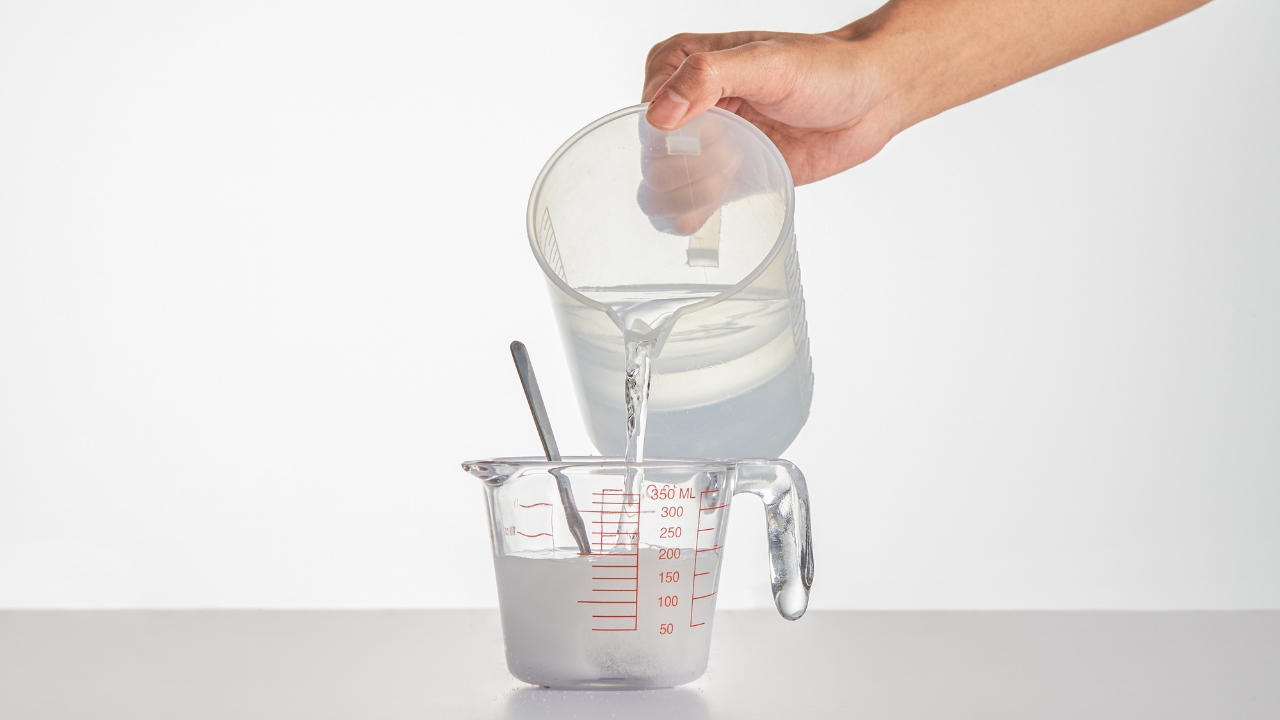
A quart is a unit of volume, commonly abbreviated as qt. In U.S. liquid measurements, 1 quart equals 4 cups, 2 pints, 1/4 gallon, and 32 fluid ounces.
A quart sits between smaller kitchen units and larger ones. Cups are useful for everyday measuring. Pints are twice as large as cups. Quarts are larger still, making them useful when recipes need more liquid.
One quart equals 4 cups. That means a recipe calling for 1 quart of milk needs the same amount as 4 standard cups. One quart also equals 2 pints, so 2 pint-sized containers equal 1 quart.
Since 1 quart equals 1/4 gallon, 4 quarts make 1 gallon.
Name meaning helps explain the measurement. “Quart” is connected to the idea of a fourth because 1 quart is one-fourth of a gallon. That relationship makes the unit easy to remember.
Kitchen measuring often works like a ladder. At the lower end, tablespoons and fluid ounces handle small amounts. Cups handle common recipe portions. Pints and quarts help with bigger amounts. Gallons handle very large liquid quantities.
A quart can be especially helpful when making soups, stews, sauces, beverages, and broth-based recipes. For example, a stockpot may need 3 quarts of broth. Since each quart equals 32 fluid ounces, 3 quarts equal 96 fluid ounces. A pitcher recipe may need 2 quarts of tea, which equals 64 fluid ounces or 8 cups.
Thinking of a quart as a practical middle-sized liquid measure makes cooking easier. It is large enough for batch cooking but still small enough to measure with common kitchen tools.
Fluid Ounces vs. Dry Ounces
View this post on Instagram
Fluid ounces measure liquid volume. Dry ounces measure weight or mass.
That difference matters because liquids and dry ingredients do not behave in the same way. A liquid quart is always 32 fluid ounces. By contrast, a quart of dry ingredients does not always weigh the same amount.
For weight, 1 ounce equals about 28.35 grams. Still, a quart is a volume measure, so a quart container can hold different weights depending on what goes inside it.
Ingredient density changes the result. A quart of sugar can weigh more than a quart of cocoa powder because sugar is denser.
Dry quarts are used for dry goods such as grains or produce. Fluid quarts are used for liquids. For cooking accuracy, liquid ingredients should be measured with liquid measuring tools, while dry ingredients often need a kitchen scale.
How to Convert Quarts to Ounces

Converting quarts to fluid ounces only takes one step.
Formula:
- Quarts x 32 = Fluid Ounces
Examples:
- 1 quart x 32 = 32 fl oz
- 2 quarts x 32 = 64 fl oz
- 3 quarts x 32 = 96 fl oz
- 4 quarts x 32 = 128 fl oz
Going in the other direction is just as simple. To convert fluid ounces to quarts, divide by 32.
- 64 fl oz / 32 = 2 quarts
- 128 fl oz / 32 = 4 quarts
Picture a recipe that calls for 2 quarts of broth. Since each quart contains 32 fluid ounces, 2 quarts give you 64 fluid ounces. A larger stockpot recipe using 4 quarts needs 128 fluid ounces, which also equals 1 gallon.
Quarts to Ounces Conversion Chart
Quarts
Fluid Ounces
1/4 qt
8 fl oz
1/2 qt
16 fl oz
1 qt
32 fl oz
2 qt
64 fl oz
3 qt
96 fl oz
4 qt
128 fl oz
5 qt
160 fl oz
6 qt
192 fl oz
8 qt
256 fl oz
A chart helps when you do not want to calculate while cooking. For example, 1/2 quart equals 16 fluid ounces, 3 quarts equal 96 fluid ounces, and 8 quarts equal 256 fluid ounces.
Common Kitchen Conversions
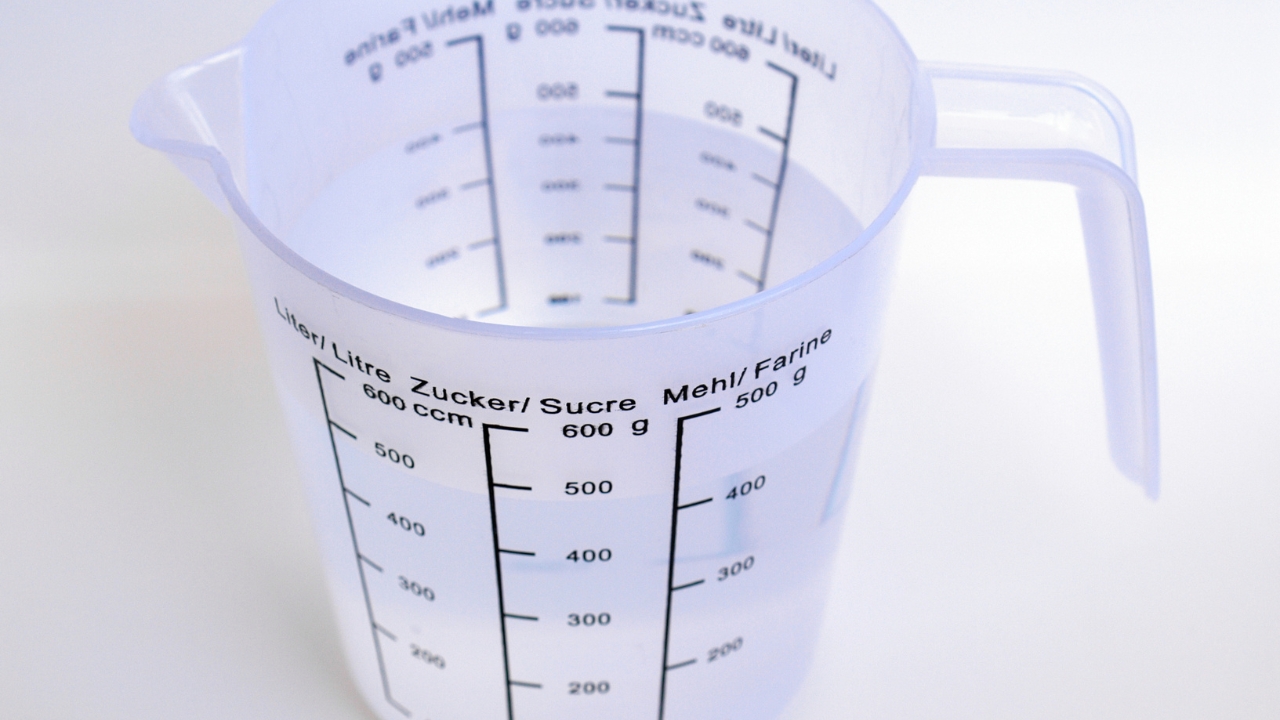
Kitchen measurements often link together in a clear pattern. Once you know how quarts connect to ounces, cups, pints, and gallons, recipe math becomes much easier.
- 1 fluid ounce = 2 tablespoons
- 1 fluid ounce = 1/8 cup
- 1 cup = 8 fluid ounces
- 1 pint = 16 fluid ounces
- 1 quart = 32 fluid ounces
- 1 quart = 4 cups = 2 pints = 1/4 gallon
- 2 quarts = 1/2 gallon = 8 cups = 64 fluid ounces
- 4 quarts = 1 gallon = 16 cups = 128 fluid ounces
- 1 U.S. fluid ounce is about 29.57 milliliters
- 1 U.S. quart is about 946 milliliters
Conversions like these are especially helpful when a recipe lists one unit, and your measuring cup shows another.
A soup recipe might call for 1 quart of stock, but your measuring cup may show cups. In that case, measure 4 cups. A punch recipe might need 2 quarts of juice, which equals 8 cups or 64 fluid ounces.
Tips for Accurate Measuring
Accurate measuring starts with the right tool. Use a liquid measuring cup for liquids such as water, milk, broth, oil, and juice. Place it on a flat surface, then read the measurement at eye level so the liquid line is easier to see.
Dry ingredients need a different approach. Use a kitchen scale for flour, sugar, cocoa powder, and spices when precision matters. Use the tare function to subtract the container’s weight before adding the ingredient.
Powdery ingredients can pack down easily, especially flour. For flour and similar ingredients, spoon gently into the measuring container instead of pressing it down. Packing can add extra weight and change how a recipe turns out.
Sticky liquids need a small trick. For honey, syrup, or similar ingredients, lightly grease the measuring cup before measuring. Sticky liquids slide out more easily, which helps you keep more of the measured amount in the recipe instead of being stuck to the cup.
Larger recipes also work well with quart-sized measuring cups or marked containers. When scaling up soups, sauces, beverages, or broth, a quart mark can save time and reduce repeated measuring.
Final Takeaway
@bakedbybrodric #bakedbybrodric #bakingrecipe #kitchentips #kitchenequipment #bakingtips ♬ BEST INTEREST – Tyler, The Creator
A quart is a common U.S. unit used to measure volume. In liquid measurement, 1 U.S. quart equals 32 fluid ounces. This conversion is useful when working with recipes, food labels, measuring cups, and larger liquid quantities.
Knowing how quarts and fluid ounces relate makes it easier to measure accurately and convert amounts quickly.
Since quarts connect directly to cups, pints, and gallons, they are an important part of everyday kitchen measurement.