
Flaxseeds may look small and plain, yet their nutrition profile is anything but ordinary. Just one spoonful supplies fiber, plant-based omega-3 fats, and lignans, which is why they are often described as a superfood. Size can be misleading here.
A modest daily portion can add meaningful nutrition to meals without much effort.
Health value appears strongest in areas tied to the heart, digestion, metabolism, inflammation, and hormone-related wellness. Practical use matters just as much as nutrition science. Benefits tend to matter most when flaxseed becomes part of a regular eating pattern instead of an occasional add-on.
A common daily suggestion is 1 to 2 tablespoons, which makes flaxseed easy to work into breakfast, snacks, or baked foods.
| Benefit | Main Effect | Key Points |
|---|---|---|
| Heart health support | Supports several cardiovascular markers | May help lower cholesterol, triglycerides, and blood pressure. |
| Gut health and regularity | Supports digestion and bowel regularity | Helps promote regularity, stool consistency, and gut bacteria balance. |
| Blood sugar and metabolic health | Supports blood sugar balance and insulin response | May help steady blood sugar and improve insulin sensitivity. |
| Hormone and women’s health | Supports hormone-related wellness | Lignans may help support cycle balance and menopause symptom relief. |
| Antioxidant and anti-inflammatory protection | Helps protect cells and support inflammation control | Provides antioxidant compounds and may help reduce inflammation. |
| Weight management support | Helps increase fullness | May improve satiety and support appetite control. |
Benefit #1 – Flaxseeds Support Heart Health
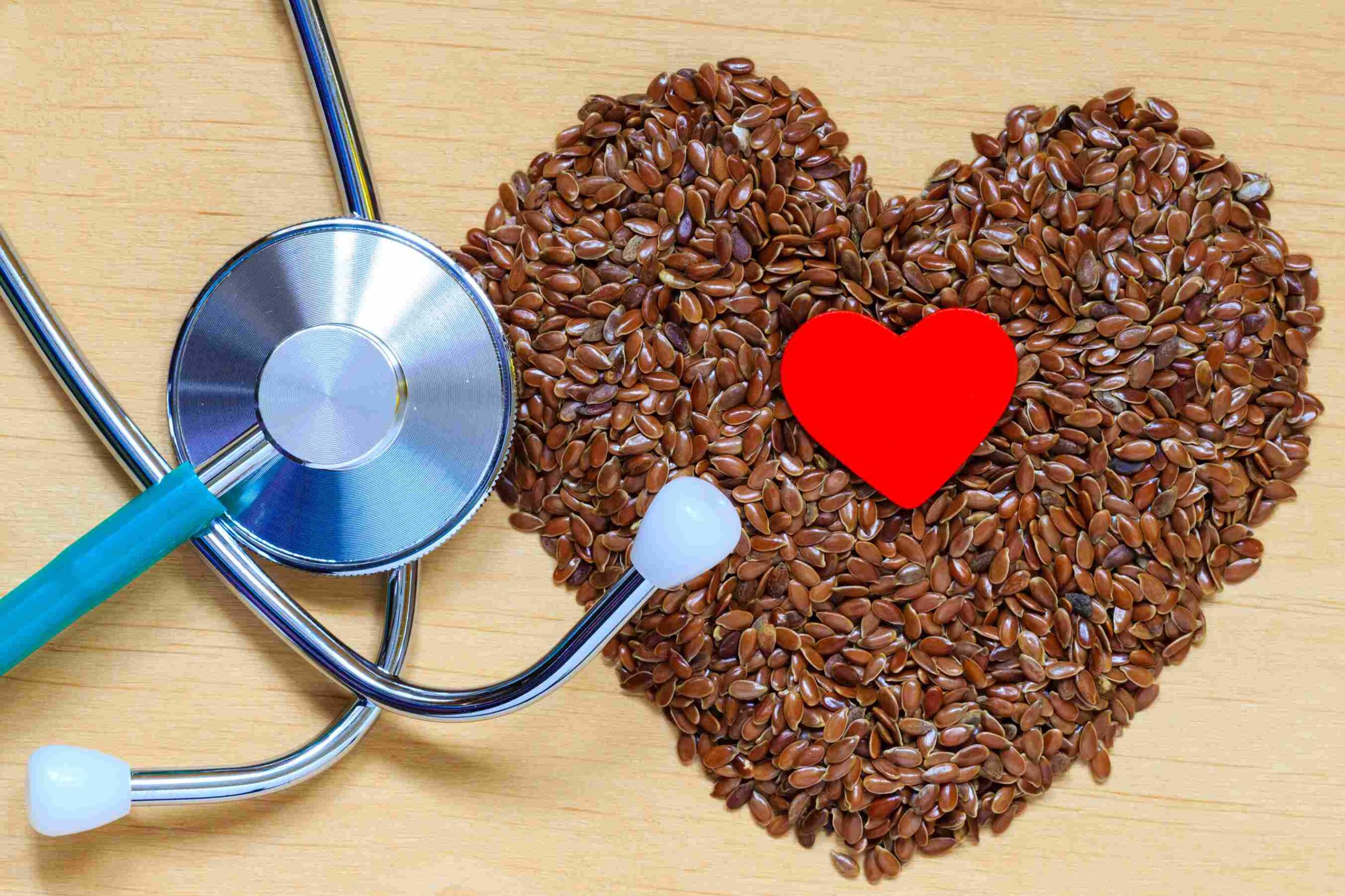
Research has linked regular flaxseed intake with improvements in several major cardiovascular markers at the same time, which gives this benefit more weight than a claim built around just one measurement.
Instead of affecting only cholesterol or only blood pressure, flaxseed appears to support a broader set of markers tied to cardiovascular risk.
- lower total cholesterol
- lower LDL cholesterol
- lower triglycerides
- lower systolic blood pressure
- lower diastolic blood pressure
Taken together, those shifts suggest flaxseeds may help create a healthier internal environment for the heart and blood vessels. That matters because cardiovascular health is rarely shaped by one factor alone.
Cholesterol levels, inflammation, blood pressure, and metabolic function all interact, so foods that support several of those areas at once tend to draw more attention in nutrition research.
Much of flaxseed’s cardiovascular value appears tied to its ALA omega-3 fatty acids and lignans. ALA makes flaxseeds one of the strongest plant-based sources of omega-3s, which helps explain why they are often connected to heart support.
Lignans add another layer because they act as antioxidant compounds and may also help support healthier cardiovascular function. Those compounds are often discussed in relation to lower inflammation and improved heart-related markers, which gives flaxseed a stronger reputation than many other seeds.
Benefit #2 -They Help Gut Health and Regularity

Fiber is doing most of the work for gut health, but not all fiber acts the same way. Flaxseeds contain both insoluble fiber and soluble fiber, and each type supports the digestive system in a different but useful way.
Insoluble fiber helps move waste through the digestive tract more efficiently. That can support regular bowel movements and make digestion feel more predictable day to day. People who do not get enough fiber often notice that regularity becomes harder to maintain, so even small additions can matter.
Soluble fiber works differently. It absorbs water and forms more of a gel-like texture during digestion, which helps support stool consistency and can also nourish beneficial gut bacteria.
That gut bacteria support matters because digestive health is not just about regularity. A healthier gut environment is tied to broader digestive comfort and better overall gut function. Flaxseeds help on both fronts at once, which is one reason they are often described as such a practical fiber source.
Benefit #3 – They May Improve Blood Sugar and Metabolic Health
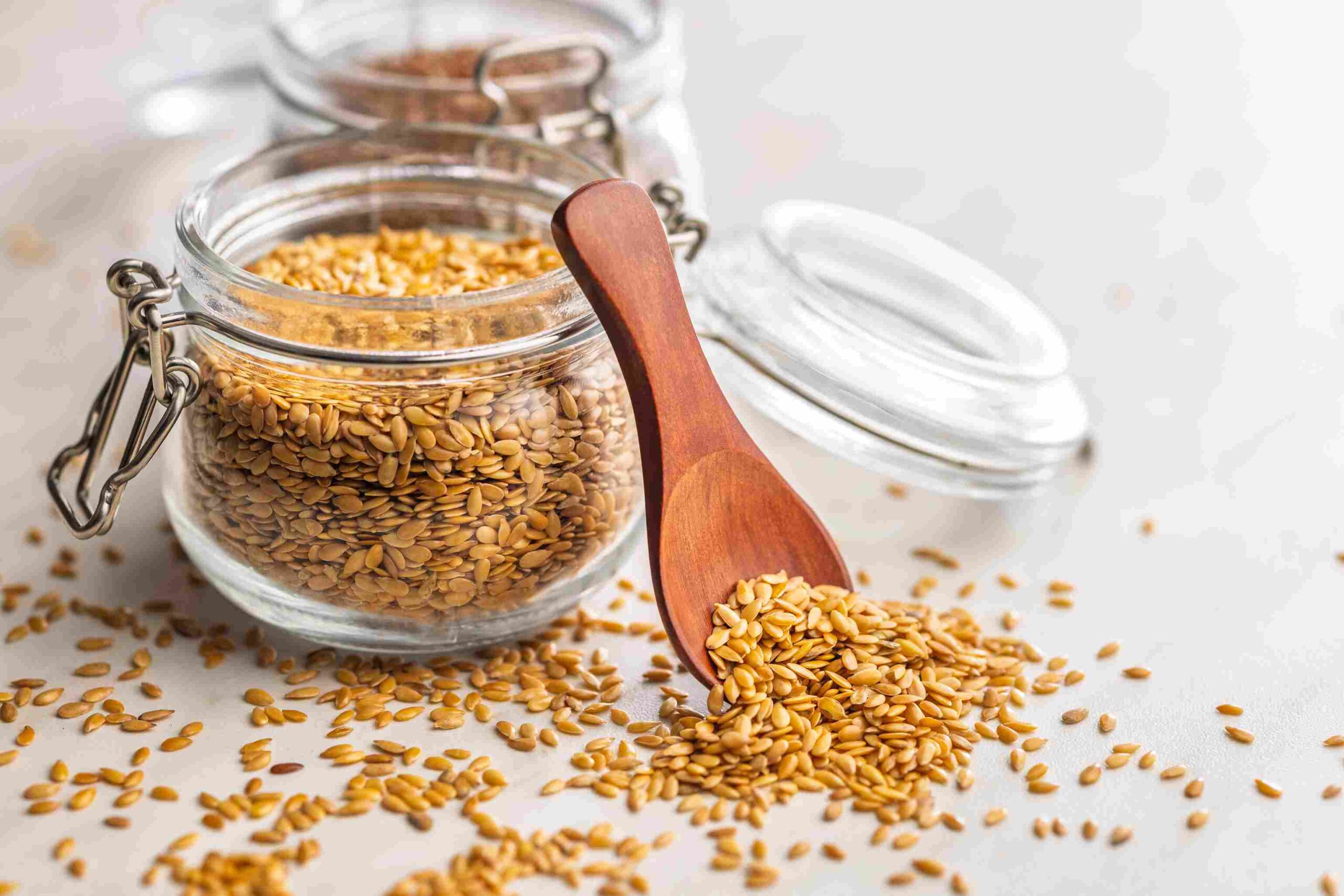
Evidence suggests flaxseeds may help support blood sugar regulation, improve insulin sensitivity, and strengthen broader cardiometabolic health. That makes flaxseed useful not only for digestion, but also for how the body processes and responds to food after meals.
Soluble fiber is a major reason. During digestion, it slows the movement of food through the digestive tract and helps moderate how quickly glucose enters the bloodstream. A slower rise in blood sugar can help prevent sharp spikes and crashes, which may support more stable energy levels throughout the day.
For people trying to build meals that feel more balanced and satisfying, that is a meaningful advantage.
Better insulin sensitivity is another important piece of the picture. When the body responds to insulin more effectively, blood sugar is easier to regulate. That can support long-term metabolic health and may also connect to better cardiovascular outcomes.
Flaxseed is especially interesting in this area because its benefits overlap. Fiber helps digestion, steadier blood sugar can support appetite control, and improved metabolic markers may help reduce strain on the cardiovascular system.
Benefit #4 – They May Play a Role in Hormone and Women’s Health

Hormone-related wellness is one of the most talked-about flaxseed benefits, especially for women. Lignans are the main reason for that. These plant compounds are often linked to hormone balance because they can interact with estrogen-related activity in the body in supportive ways.
That does not mean flaxseed acts like a treatment or a quick solution, though it does help explain why it keeps showing up in conversations about cycle support, menopause, and daily hormonal wellness.
Interest in flaxseed often centers on its potential to support a healthier hormonal rhythm. For some women, that makes it appealing as part of a food-based routine rather than a more aggressive intervention.
A supportive role is the fairest way to frame it. Nutrition can influence hormone-related health, but foods work best as part of a broader pattern rather than as miracle fixes.
Seed cycling is one example of flaxseed use in practice. During the follicular phase, flaxseeds are often eaten with the goal of supporting estrogen balance and possibly easing PMS symptoms or irregular cycles.
Some people use that routine as part of a broader effort to support cycle awareness and hormonal consistency. Interest in flaxseed also extends to menopause.
A 2024 study found that regular flaxseed supplementation substantially decreased menopause symptoms in perimenopausal women, which adds another reason it has gained attention in women’s health conversations.
Benefit #5 – They Offer Antioxidant and Potential Anti-Inflammatory Protection
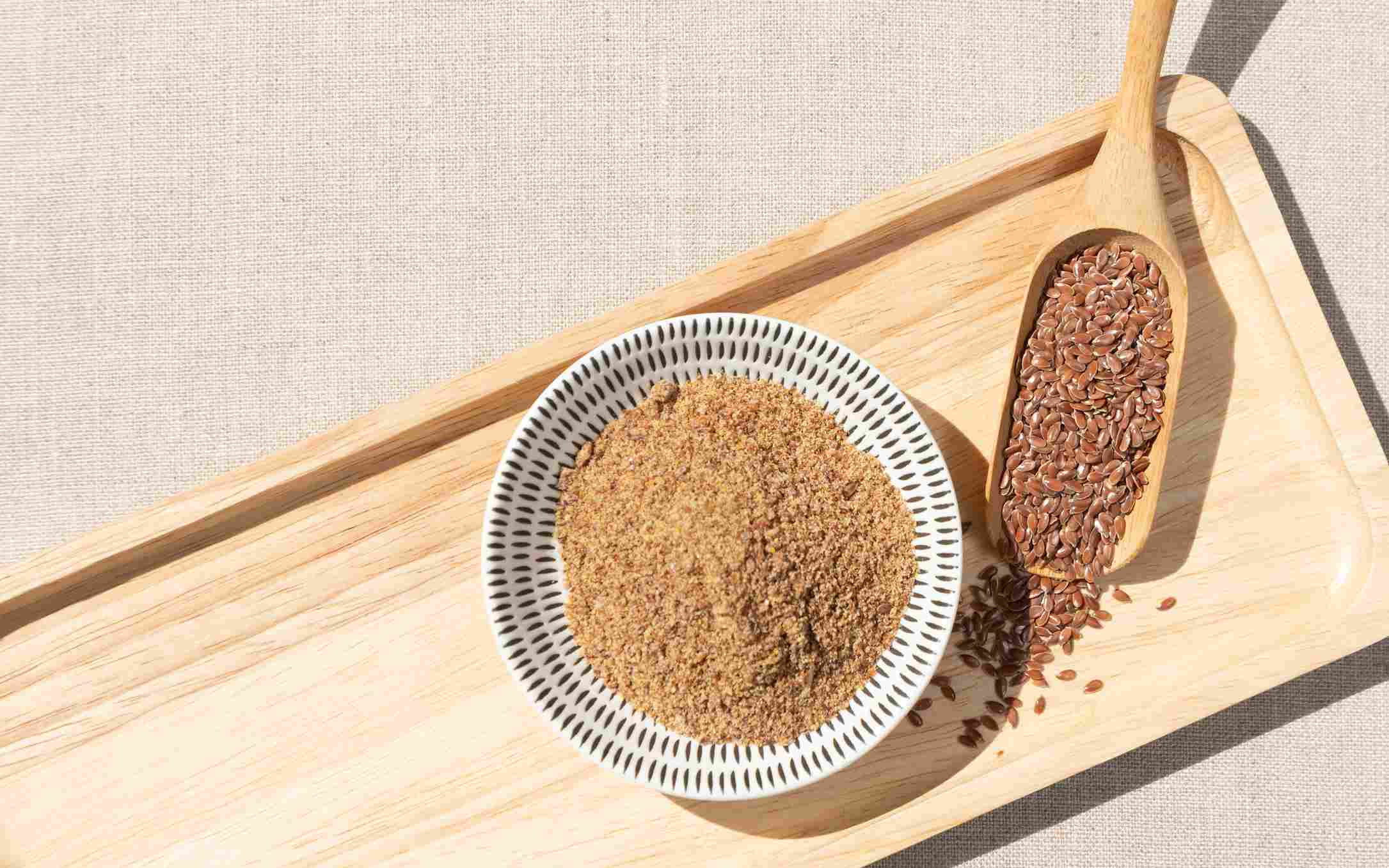
Another reason flaxseeds attract so much attention is their antioxidant profile. Lignans are one of the most important compounds in this category, and flaxseeds contain them in especially meaningful amounts. Related plant compounds such as phenolic acids and flavonoids add to that profile.
Together, those compounds help explain why flaxseeds are often associated with protection against oxidative stress.
Oxidative stress matters because it can contribute to long-term strain on cells and tissues. Foods with antioxidant compounds are often valued for helping the body manage stress more effectively.
Flaxseed fits into that conversation because it provides more than one protective compound in a very small serving. That makes it an easy addition for people trying to support long-term wellness through everyday food choices.
Inflammation is another area of interest. Flaxseeds have been linked to reductions in certain inflammatory markers, and their omega-3 content is also associated with anti-inflammatory effects.
That connection helps explain why flaxseed is often discussed in relation to heart health, metabolic health, and general wellness all at once. Inflammation touches many systems in the body, so foods associated with lower inflammatory activity tend to draw attention in nutrition science.
Benefit #6 – They May Support Weight Management
Weight management support is another practical reason people add flaxseeds to meals. Much of that benefit comes back to satiety.
Soluble fiber absorbs water and expands during digestion, which can help meals feel more filling and satisfying. A meal that keeps you full longer can make it easier to manage appetite and reduce the urge to snack soon after eating.
Satiety is not just about feeling physically full. It can also affect how manageable your overall eating pattern feels during the day.
Small additions that improve fullness may help support more consistent habits, especially at breakfast or in snacks that might otherwise leave you hungry again too quickly. Flaxseed works well here because it adds substance without requiring a large portion.
- 3 grams of fat
- 2 grams of fiber
- 1 gram of protein
That combination helps explain why flaxseed can make a meal feel more substantial. Fat, fiber, and protein each contribute something to fullness, and flaxseed delivers all three in a compact serving. Added to oatmeal, yogurt, smoothies, or toast, it can help turn a lighter meal into one that feels more satisfying.

How to Actually Eat Flaxseeds Every Day
| Nutrient or Compound | Amount in 1 Tablespoon |
|---|---|
| Fiber | 1.91 g |
| Fat | 2.95 g |
| Protein | 1.28 g |
| Carbohydrates | 2.02 g |
| ALA omega-3 fatty acids | About 1.8 g |
| Lignans | About 77 to 209 mg SDG |
| Thiamine | 0.12 mg |
| Copper | 0.09 mg |
| Manganese | 0.17 mg |
| Magnesium | 27.44 mg |
Building a flaxseed habit is easiest when it feels effortless. Ground flaxseed works best for everyday meals because it mixes smoothly into soft foods, spreads evenly into batters, and is easier to use in small portions. Instead of treating it like a specialty ingredient, think of it as something you can add to foods that are already part of your routine.
- Stir ground flaxseed into smoothies for extra fiber and plant-based omega-3s without changing the flavor too much.
- Mix it into oatmeal or other warm cereals while they are still hot so it softens into the texture.
- Make oatmeal cookies with flaxseed for a healthy treat
- Spoon it into yogurt for a quick breakfast or snack that feels more filling.
- Sprinkle 1/2 to 1 tablespoon over whole-grain toast with nut butter for an easy, dietitian-approved everyday option.
Lunch and dinner can work just as well. Flaxseed does not need to stay in breakfast foods:
- Whisk it into salad dressings or vinaigrettes for a small nutrition boost.
- Add it to grain bowls right before serving.
- Stir it into sauces or soft spreads if you want another simple use.
Baking opens up even more practical ways to use flaxseed on a regular basis. Ground flaxseed can be mixed into recipes that already have enough moisture to handle a little extra dry ingredient:
- Pancake batter
- Waffle batter
- Muffin batter
- Granola
- Bread batter or dough
A flax egg is another useful kitchen trick, especially in plant-based baking. Mix 1 tablespoon of ground flaxseed with 3 tablespoons of water, then let it rest for 10 to 15 minutes. Texture thickens as it sits, which helps it act as a binder in place of one egg in many recipes.
Summary
Small habits often matter more than big intentions, and flaxseed is a good example. Regular intake can support heart health, gut health, blood sugar balance, inflammation control, and hormone-related wellness.
Even a small daily amount can carry real value when it becomes part of a steady routine. Flaxseed does not need a complicated plan or a large serving size to be useful.