
Coconut oil has a confusing reputation. Wellness marketing often presents it as useful for weight loss, immunity, brain health, heart health, and general wellness. Nutrition experts are more cautious because it is extremely high in saturated fat and can raise LDL cholesterol.
Around 72% of Americans rated it as healthy, compared with only 37% of nutrition experts.
In 2018, Harvard professor Karin Michels called coconut oil “one of the worst things you can eat” and compared it to “pure poison” because of its saturated fat level and LDL-raising effect.
Sales rose even as experts warned against daily use. Food science does not support it as a health food. Occasional use for flavor is reasonable, but it should not replace heart-healthier everyday oils.
Why Coconut Oil Became Controversial
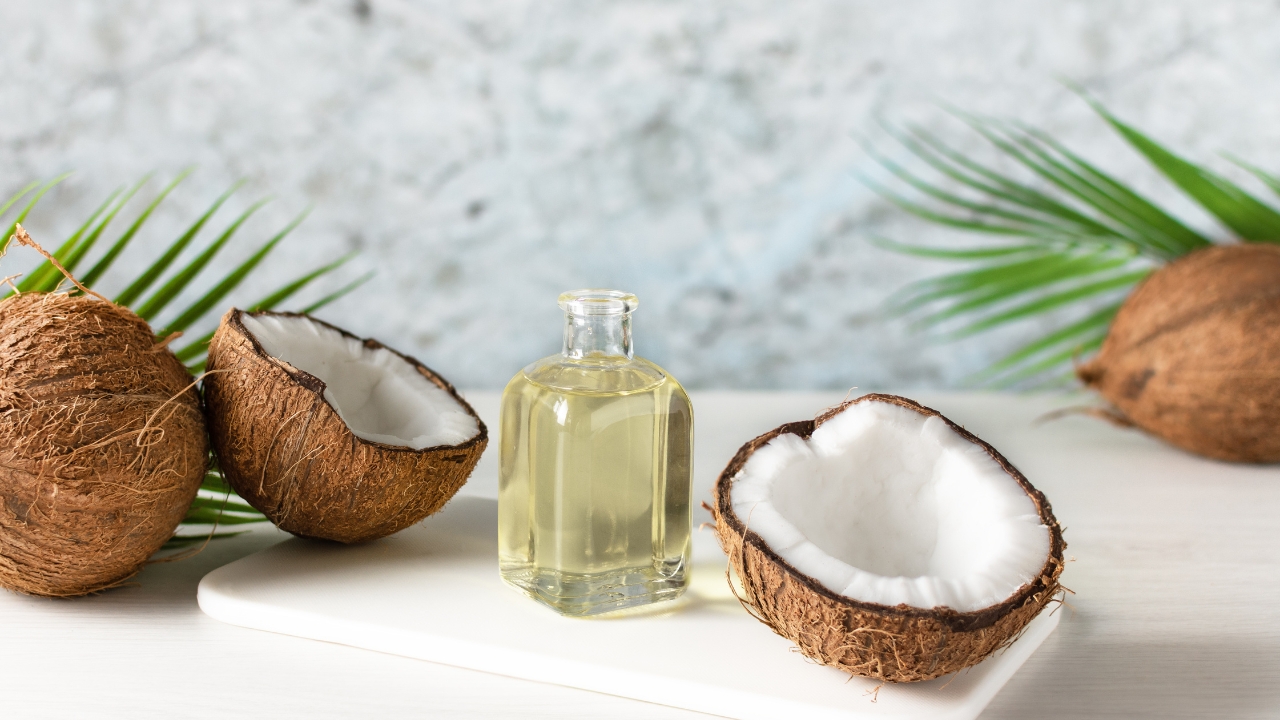
Coconut oil became popular through wellness claims that outpaced the evidence. Many people viewed it as natural and healthy because it came as a plant-based oil. Nutrition experts focused on its saturated fat level.
- 72% of Americans rated coconut oil as healthy
- 37% of nutrition experts rated it as healthy
Coconut oil is not automatically healthy because it is plant-based. Its effect on cholesterol looks much closer to saturated animal fats than to oils such as olive, canola, sunflower, or safflower oil.
A better question is not if coconut oil is poison or a miracle food. A better question is how often it should be used. Evidence supports occasional use, not daily use, as a health oil.
What Is Coconut Oil Made Of?
Coconut oil is essentially 100% fat. One tablespoon has about 120 calories and 13.5 grams of total fat.
Its main nutritional issue is saturated fat.
- 80% to 90% of coconut oil’s fat is saturated fat
- Some sources place it as high as 90%
- Another common estimate is about 86% saturated fat
- That 86% figure is higher than butter, lard, or dripping
Lauric acid is the main saturated fatty acid in coconut oil, accounting for about 47% of its fatty acid profile. It also contains smaller amounts of myristic acid and palmitic acid, both linked with higher LDL cholesterol.
It has only trace amounts of monounsaturated and polyunsaturated fats. Oils usually recommended for heart health contain much more unsaturated fat.
The Main Health Concern Is LDL Cholesterol
View this post on Instagram
LDL cholesterol is a major cardiovascular risk marker. High LDL can build up in blood vessels and raise heart attack and stroke risk.
Coconut oil raises LDL cholesterol. That is the main reason experts do not recommend it as a daily cooking oil.
It can also raise HDL cholesterol, but higher HDL does not cancel out higher LDL. A food that raises both cholesterol levels still creates concern when LDL rises.
Compared with nontropical vegetable oils such as sunflower, canola, and olive oils, coconut oil increased:
- Total cholesterol by about 15 points
- LDL cholesterol by about 10 points
- HDL cholesterol by about 4 points
Compared with palm oil, coconut oil increased:
- Total cholesterol by about 25 points
- LDL cholesterol by about 20 points
- HDL cholesterol by about 3 points
A systematic review and meta-analysis in Circulation included 16 articles and found that it increased LDL cholesterol by 10.47 mg/dL and HDL cholesterol by 4.00 mg/dL compared with nontropical vegetable oils.
Another review started with a much larger search pool before narrowing the evidence:
- 899 articles screened at first
- 8 papers selected after quality appraisal
- It did not behave differently from other saturated fats for lowering LDL cholesterol
Coconut Oil Compared with Other Cooking Fats
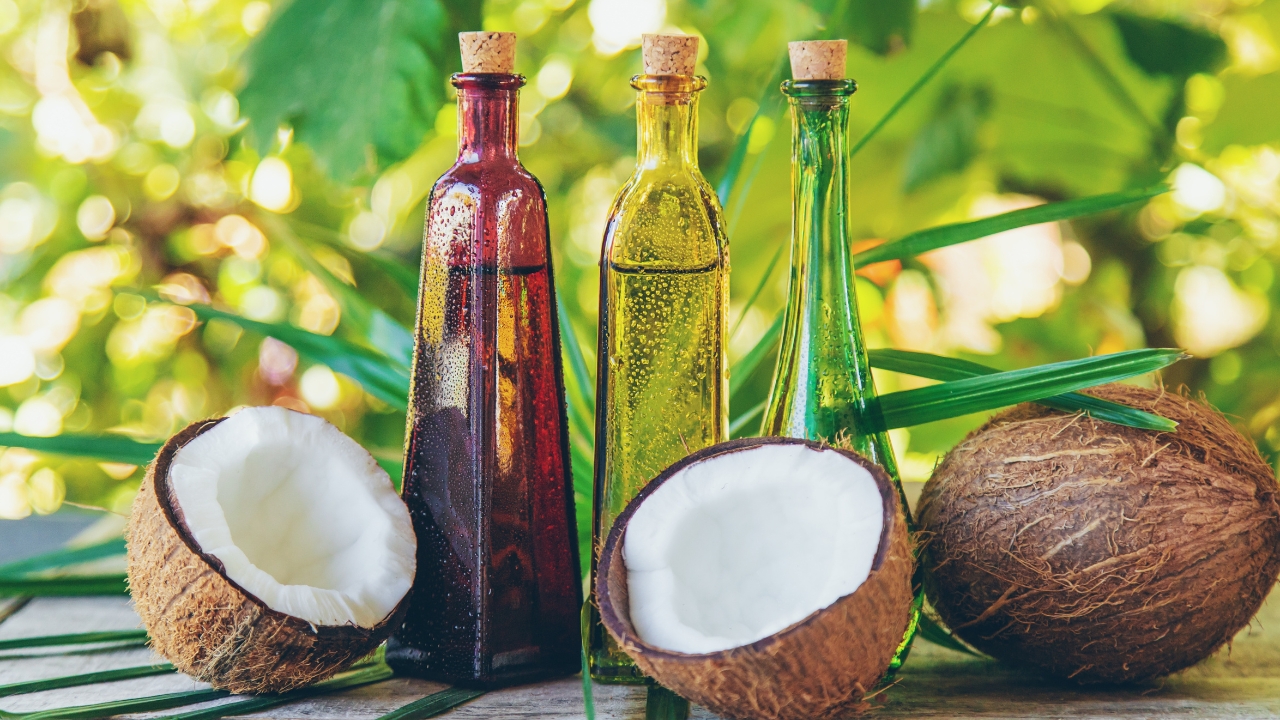
Coconut oil performs worse than unsaturated oils for cholesterol markers. In eight small, short-term clinical trials, it raised total, HDL, and LDL cholesterol more than olive or safflower oil. It did not raise cholesterol more than butter in those trials.
- 8 clinical trials
- 5 to 8 weeks long
- 9 to 83 participants
Coconut oil also raised total and LDL cholesterol to a similar or greater degree than other saturated fats, including beef fat and palm oil.
Olive oil, avocado oil, grapeseed oil, safflower oil, and sunflower oil are better daily choices because they contain more unsaturated fat.
Butter is not a heart-healthy food, but it can be even more concentrated in saturated fat. Coconut oil is higher in calories, total fat, and saturated fat than butter.
Replacing saturated fats with unsaturated fats is generally better for heart-health markers.
MCT Myth
MCTs, or medium-chain triglycerides, are fats that are digested faster than many longer-chain fats. Some studies have examined MCT oil for energy use, fullness, weight control, and brain function.
Many coconut oil claims rely on MCT oil research, not regular grocery-store coconut oil.
- Specially formulated oils made of 100% MCTs
- Commercial is made mostly of lauric acid
- Regular, which also contains other saturated fats
Ordinary coconut oil is mostly lauric acid. Lauric acid is absorbed more slowly and metabolized more like a long-chain fatty acid than typical MCTs.
Claims about faster metabolism, easier weight loss, better brain function, or greater fullness should not be applied directly to regular coconut oil. MCT oil research does not prove those effects for coconut oil.
Traditional Diets and Coconut
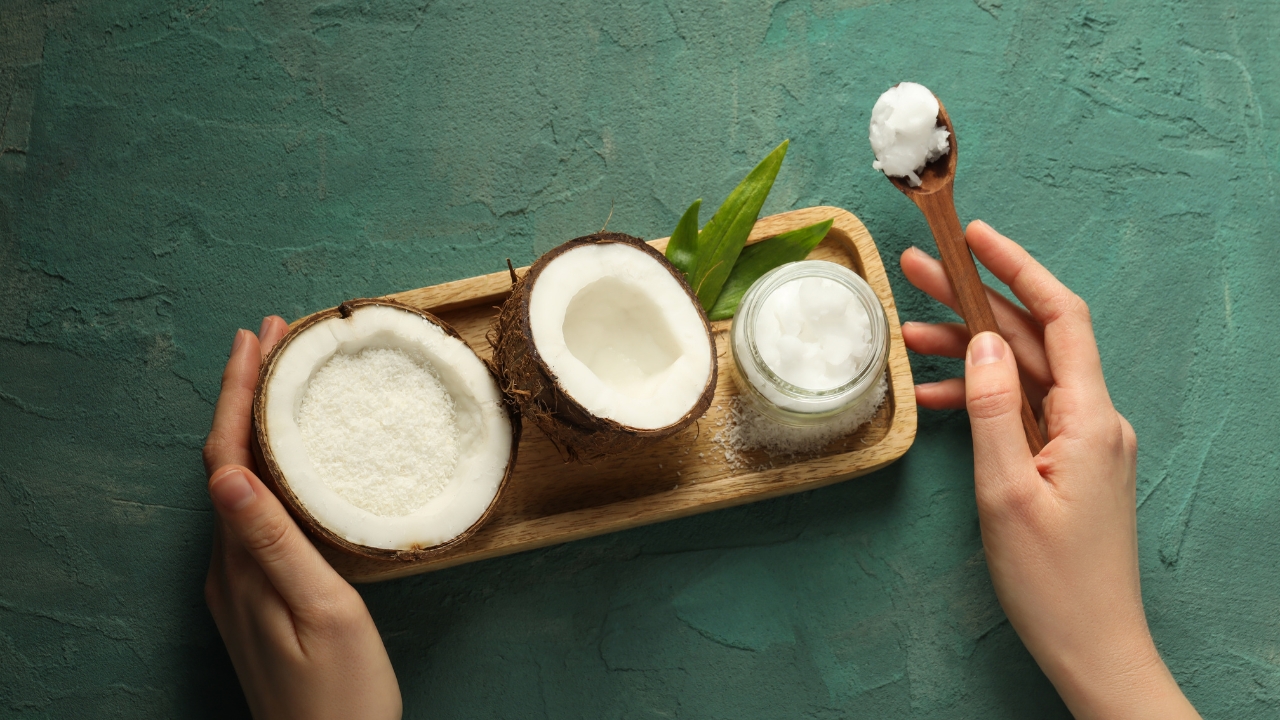
Some coconut-consuming populations have had low cardiovascular disease rates, but their diets included many other factors.
People in Samoa, the Philippines, New Zealand, New Guinea, India, Polynesia, and similar regions often consumed coconut with fresh fruit, vegetables, fish, and less processed food.
A review of coconut products included 21 observational and clinical studies. Higher coconut oil intake in traditional-diet studies was linked with mixed cholesterol results:
- Higher HDL cholesterol
- Higher total cholesterol
- Higher triglycerides
Whole coconut, coconut meat, and pressed coconut cream in traditional diets are not the same as refined ones added to a modern diet high in processed and sugary foods.
Traditional coconut intake does not prove that coconut oil is a heart-healthy daily fat.
Possible Benefits
Coconut oil can be useful in cooking. It adds flavor, texture, and structure to some traditional dishes and vegan baked goods.
Small amounts of vitamin E are present, but not enough to justify regular use.
- Olive oil
- Avocado
- Nuts
- Seeds
- Dark leafy greens
Topical uses may be more promising than dietary use. Coconut oil can work as a skin or hair moisturizer for some people. Oil pulling has also been studied, with some research suggesting possible benefits for cavities and gingivitis.
Some research mentions possible antioxidant effects, but evidence is limited.
Weight-loss claims are weak. A 16-trial meta-analysis found no significant effect on body weight, waist circumference, or body fat percentage compared with other vegetable oils.
A separate meta-analysis found small reductions in some measures, but not others:
- Small reductions in body weight
- Small reductions in BMI
- Small reductions in fat-mass percentage
- No significant effect on waist circumference
- No significant effect on the waist-to-hip ratio
- No significant effect on fat mass
Any weight effect appears modest and inconsistent.
Summary
@healthiereraCoconut Oil: Healthy… Or Just Hype? 🥥 It can fit into a balanced routine — but it’s still a fat, so portions matter. Save this for your next grocery shop. #HealthierEra #NutritionTips #HealthyEating #HealthyHabits #ForYou
Coconut oil is not a miracle food. It is not the same as specialized MCT oil. It is a concentrated fat with about 80% to 90% saturated fat.
Clinical evidence shows that coconut oil raises LDL cholesterol compared with unsaturated oils. It can also raise HDL cholesterol, but higher HDL does not erase the concern about higher LDL.
Occasional use for flavor is reasonable. Daily use as a main cooking oil is not supported by food science.
Better everyday options include olive oil, avocado oil, grapeseed oil, safflower oil, and sunflower oil.