
Tahini often enters the kitchen as a hummus ingredient, then sits in the refrigerator while cooks wonder what else to do with it. A single jar deserves a much wider role. Good tahini brings creaminess, nuttiness, and savory depth to dips, dressings, sauces, marinades, baked goods, and quick snacks.
Many people overlook how functional tahini can be in everyday cooking. It can soften sharp flavors, add body to a sauce, and give a silky texture to foods that might otherwise taste flat or thin. Quality matters, too. Good one should taste velvety, nutty, and full of toasted sesame, not stale or unpleasantly bitter.
Most readers need practical answers. They want to know how good tahini should taste, what to look for at the store, how to deal with separation in the jar, and how to use it in far more than hummus.
Once those basics are clear, tahini becomes one of the most useful pantry staples to keep on hand.
What Tahini Tastes Like
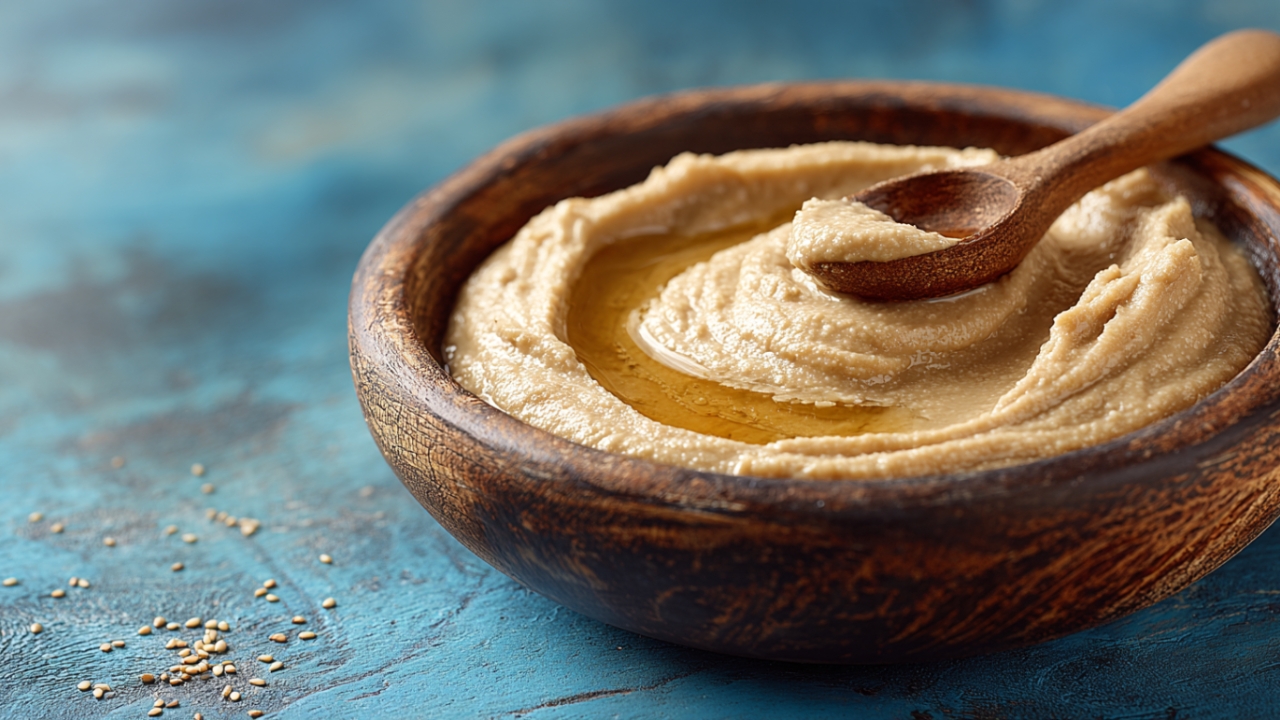
Tahini can surprise people who expect something that tastes like peanut butter or another nut spread. Sesame gives it a profile of its own.
Good tahini tastes nutty, earthy, creamy, and clearly of toasted sesame, with a savory depth that makes it useful in both simple sauces and more layered recipes.
A good spoonful should feel smooth and velvety on the tongue, with a consistency that is often a little looser than peanut butter and easy to stir, drizzle, or whisk into other ingredients.
A slight bitter edge can be normal, especially in more assertive styles, though that bitterness should feel balanced and clean rather than aggressive. Fresh tahini usually tastes full and rounded.
Sesame should lead, followed by a mild roasted note and a creamy finish that lingers without feeling heavy. In practical terms, a good tahini should make you think of toasted sesame seeds turned into a silky paste, not of dryness, dustiness, or harshness.
- Aroma should smell fresh, warm, and sesame-forward, not stale or dusty.
- Texture should feel creamy and velvety, not sandy or pasty.
- Flavor should taste full and nutty, with a mild natural bitterness rather than a sharp, unpleasant bite.
- Finish should feel clean and savory, not drying or chalky.
Poor-quality tahini often gives itself away quickly. Flavor can turn stale, gritty, or sharply bitter. Mouthfeel may feel rough, dry, or chalky, and the paste may seem heavy without offering much depth. Old often loses that rounded sesame character and starts tasting flat or harsh instead.
Bitterness in a bad way is one of the clearest warning signs, especially when it overpowers everything else. A dry mouthfeel can also point to lower quality, poor processing, or a jar that has been sitting too long.
Types of Tahini
Not all tahini tastes or behaves the same way. Differences in seed type, roasting, and processing can change texture, flavor, bitterness, and how easily the paste fits into everyday cooking.
Knowing the main categories helps shoppers choose a jar that suits their taste and helps cooks match the one to the job at hand.
Hulled vs. Unhulled
Hulled tahini is made with sesame seeds that have had their outer hull removed before grinding. The resulting paste is usually smoother, creamier, and milder, which makes it a good starting point for people who are still getting used to tahini.
A softer flavor profile also makes hulled easier to use across both sweet and savory recipes. Dressings, sauces, dips, baked goods, and toast toppings all tend to benefit from that smoother texture and more polished taste.
Unhulled is made with the hulls still attached. That change affects both texture and flavor. Paste is often rougher, deeper, and more bitter, with a stronger sesame character that some cooks actively seek out. Others find it less flexible in day-to-day cooking, especially in recipes that call for a more delicate or creamy finish.
Raw vs. Roasted
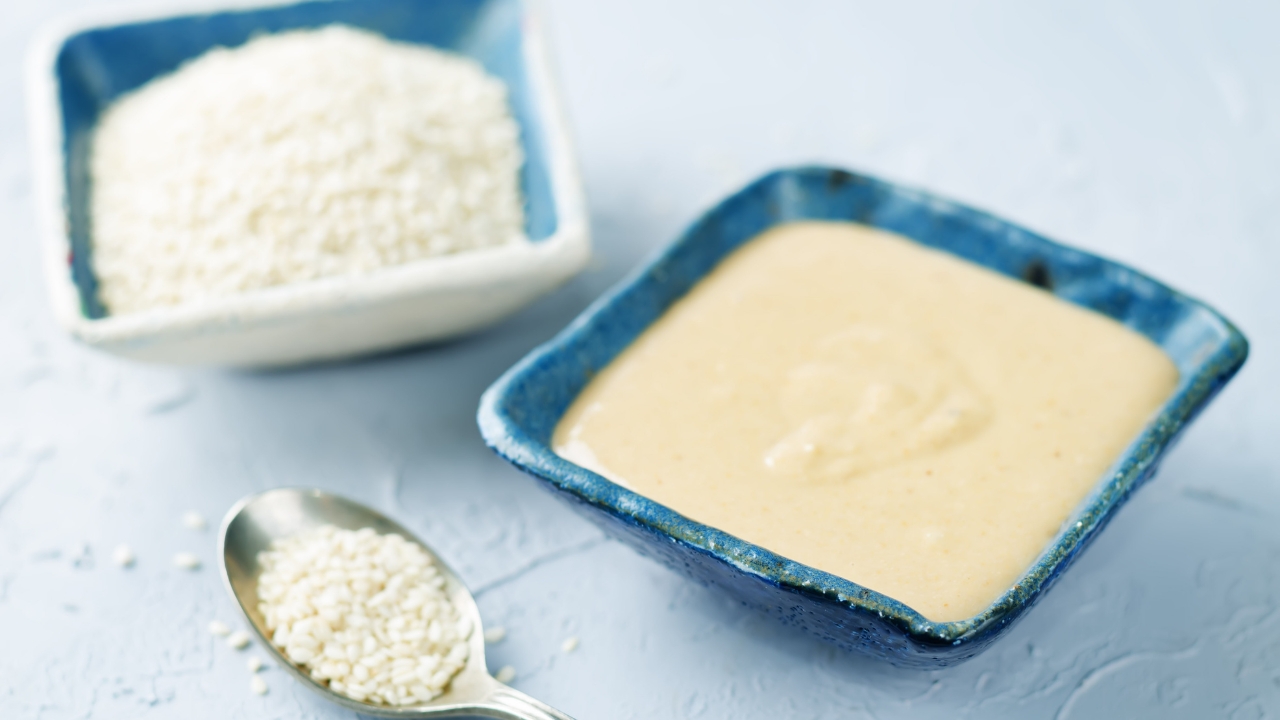
Roasting has a big effect on tahini. Raw tahini is usually lighter in flavor and more neutral overall. That softer profile can make it easier to use in many recipes because it supports other ingredients without taking over. Sauces, dressings, and everyday cooking often benefit from that flexibility.
Roasted tahini tastes toastier, darker, and more intense. Sesame flavor comes through more strongly, which can be excellent in dishes that need a bold base.
On the other hand, that extra intensity can make roasted tahini slightly less adaptable in recipes that call for a softer touch. Lightly roasted tahini made with hulled white sesame seeds is often prized for its especially smooth texture and balanced flavor.
Other Variations
Seed color and added flavors can create more variation still. Many jars are made with hulled white sesame seeds, which are often chosen for their smoothness and milder taste. Black sesame tahini tends to be darker, bolder, and more dramatic in both flavor and color.
Some brands also sell flavored versions alongside plain, though plain tahini is usually the most versatile option for a pantry staple.
Stronger tahinis can have a clear place in the kitchen. Black tahini, raw tahini, and other assertive versions can work especially well in baked goods, sesame-forward sauces, or recipes where that dark toasted note is part of the goal rather than something to soften.
Classic Ways to Use Tahini
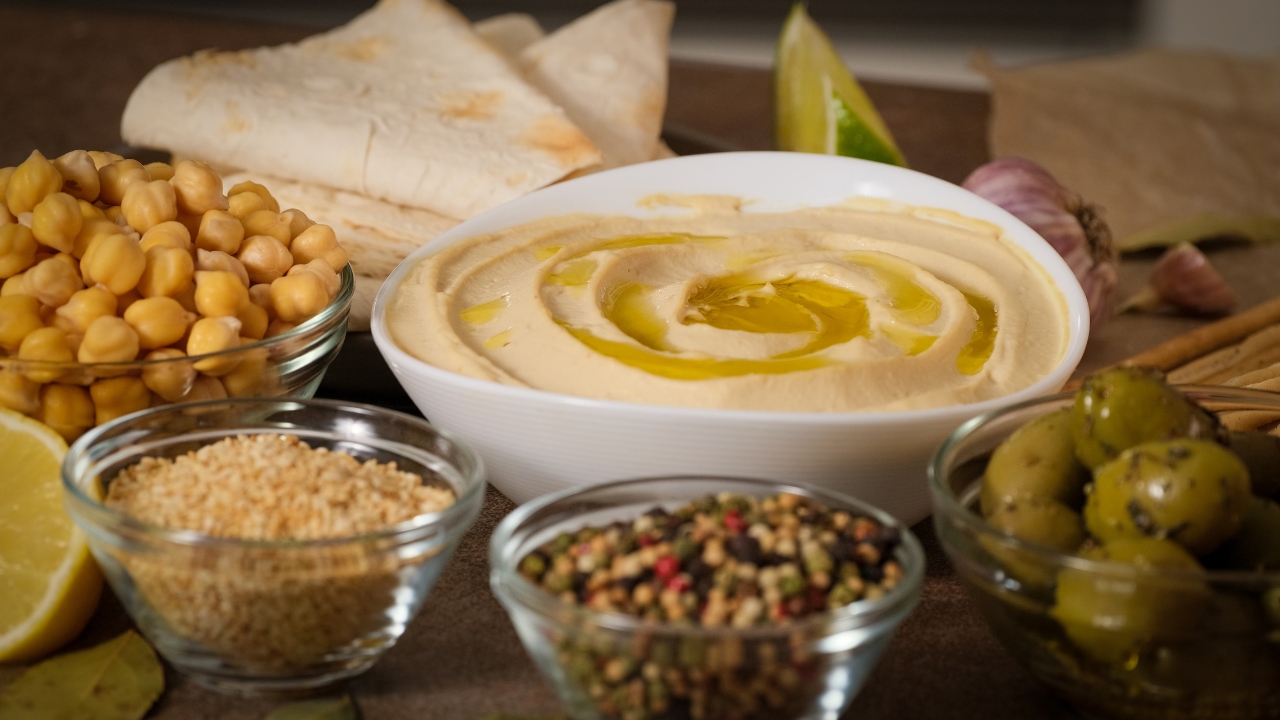
Tahini becomes much easier to use once it is treated as a working ingredient rather than a specialty item. It can add creaminess, body, and sesame depth to dips, sauces, and dressings with very little effort.
A jar that seems hard to use up at first can move quickly once these classic preparations enter the routine.
Hummus
Hummus is still the place most people meet tahini first, and for good reason. Tahini gives hummus much of its creaminess, smoothness, and full savory character. Chickpeas on their own can taste plain and a little heavy.
Tahini softens that effect and helps create the rounded, balanced flavor people expect in good hummus. In classic hummus, tahini is not just an extra spoonful mixed in at the end. It is a defining part of the dip’s structure and taste.
- It creates a creamier texture.
- It adds sesame depth and savory balance.
- It helps hummus taste fuller rather than flat.
- It makes the dip feel smoother and more complete.
Baba Ganoush and Other Dips
View this post on Instagram
Tahini also plays an important role in baba ganoush and related dips. Eggplant, yogurt, herbs, beans, and vegetables often need something that gives them body without making them greasy. Tahini does that job very well.
Many people reach for extra oil when a dip feels thin, though tahini is often the ingredient that creates creaminess more effectively while keeping the texture light and smooth.
Mezze cooking offers many examples of quite structural work. It thickens, softens, and rounds out strong flavors without taking over the dish. Fatteh and other layered savory dishes also rely on the sauce for that same sense of body and depth.
Simple Tahini Sauce or Dressing
One of the easiest ways to put tahini to work is to make a quick sauce. Tahini, lemon juice, and salt are often enough to get started. Water is added a little at a time until the texture turns smooth and workable.
First contact with lemon juice can be surprising because tahini often thickens and turns very thick at that moment. That reaction is normal. Continued stirring and gradual additions of water usually transform it into a creamy sauce.
Texture can be adjusted according to use. A thicker mix works well as a dip, a spread, or a sauce spooned over meat and vegetables. A thinner mix works better on salads, grain bowls, and roasted vegetables.
Spice and sweetness can also shift the result in different directions. Cumin, paprika, or ras el hanout add warmth, while olive oil or maple syrup can push the mixture closer to a dressing.
Summary
@_recipeswithrae What is tahini? #recipeswithrae #thekitchenwithrae #thekitchen #youtube #fyp #tahini #cooking #kitchen #didyouknow #tiktoktaughtme ♬ original sound – Recipes with Rae
Tahini is much more than a hummus ingredient. Once cooks know what good tahini tastes like, how to shop for it, and how to turn it into a quick sauce or dressing, a jar becomes much easier to use up instead of forgetting.
It adds creaminess, nuttiness, and versatility to dips, dressings, sauces, and everyday savory cooking.
A good jar can earn a permanent place in the pantry because it solves texture problems, rounds out sharp flavors, and makes simple food taste fuller with very little effort.