
Chia seeds are small edible seeds obtained from the plant Salvia hispanica. Ancient civilizations such as the Aztecs and Mayans valued these seeds as a powerful source of energy and endurance.
Historical records show that warriors and messengers consumed chia seeds to maintain stamina during demanding physical activity.
Modern nutrition research classifies chia seeds as a nutrient-dense superfood because they contain fiber, omega-3 fatty acids, protein, antioxidants, and essential minerals.
Small size contrasts with their remarkable nutritional concentration.
| Nutrient | Amount per Serving (28 g) |
|---|---|
| Calories | ~140 kcal |
| Protein | ~4 g |
| Dietary Fiber | ~11 g |
| Unsaturated Fat | ~7 g |
| Omega-3 Fatty Acids | Major plant source |
| Calcium | ~18% of daily recommended intake |
| Trace Minerals | Zinc, copper, phosphorus |
Scientific research connects chia seed consumption with several positive health outcomes. Let’s see what those are.
NOTE: Find out all the ways to ingest chia seeds through healthy meals and snacks!
1. High in Fiber for Better Digestion
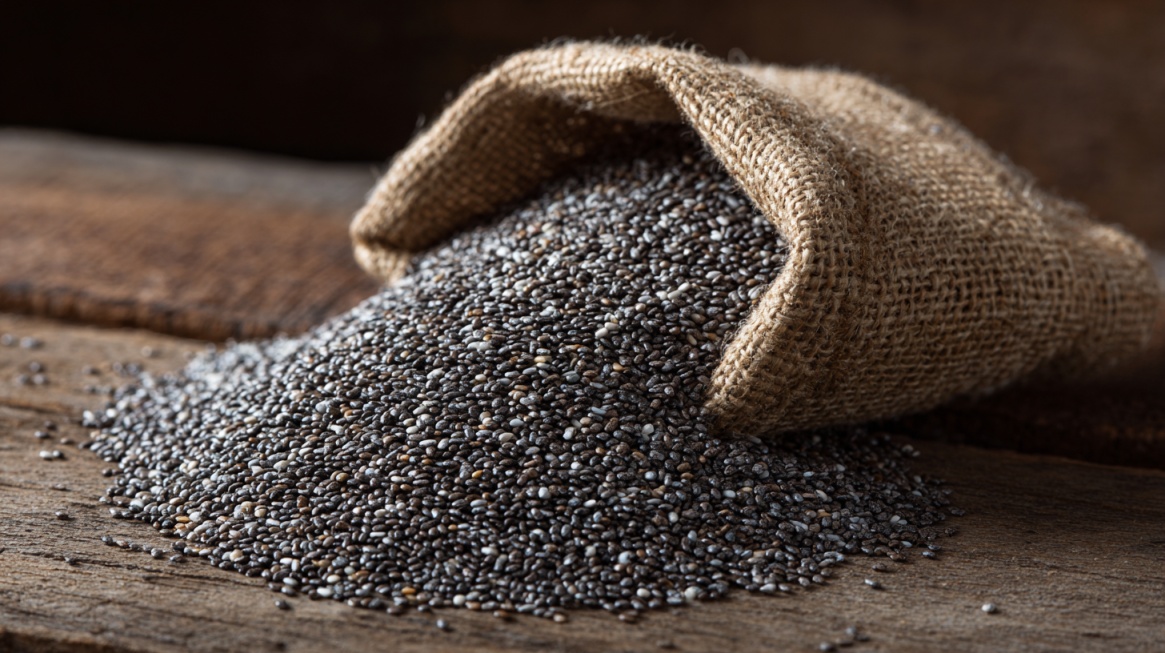
Chia seeds rank among foods with the highest fiber concentration. One ounce, about 28 grams, contains close to 10 grams of dietary fiber. Such a high fiber content contributes significantly to digestive health and regular bowel function.
Dietary fiber in chia seeds exists in two main forms, each contributing to digestive performance in different ways.
- Insoluble fiber – about 85%-93% of total fiber
- Soluble fiber – about 7%-15% of total fiber
Insoluble fiber plays a major role in digestive movement. Increased stool bulk helps material move efficiently through the intestinal tract. Regular fiber intake, therefore, supports consistent bowel movements and reduces the likelihood of constipation.
Soluble fiber contributes additional benefits that extend deeper into gut function. Fermentation by beneficial gut bacteria produces compounds that support intestinal health.
These fermentation products include:
| Fermentation Product | Function |
|---|---|
| Short-chain fatty acids that nourish cells lining the intestine | Provide energy to intestinal cells and support gut health. |
| Compounds that support a balanced gut microbiome | Help maintain a healthy balance of beneficial bacteria in the digestive system. |
| Substances that help maintain intestinal barrier integrity | Strengthen the gut lining and reduce the risk of harmful substances entering the bloodstream. |
Another important digestive property involves water absorption. Chia seeds absorb large amounts of liquid when exposed to water or other fluids.
2. Supports Heart Health
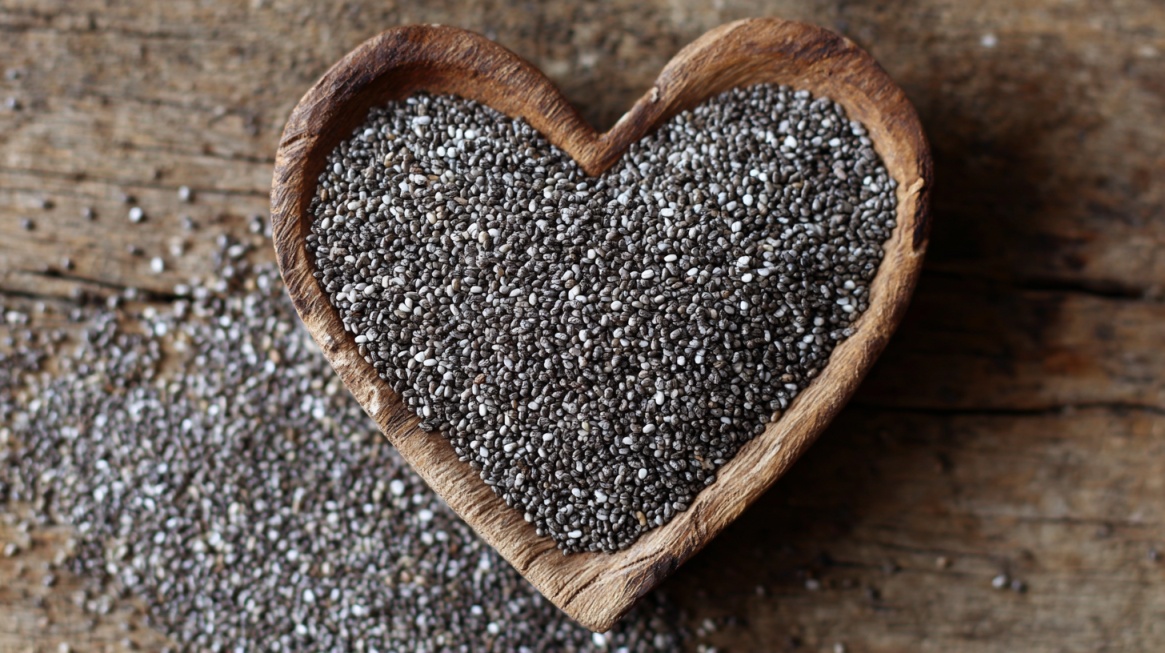
Cardiovascular health benefits associated with chia seeds relate mainly to their nutrient profile. Several nutrients present in these seeds contribute directly to heart function and circulatory stability.
- Omega-3 fatty acids
- Magnesium
- Phosphorus
- Copper
Regular intake of omega-3 fatty acids may produce several cardiovascular effects:
- Reduction of inflammation within blood vessels
- Improvement of HDL and LDL cholesterol balance
- Lower risk of plaque formation in arteries
Omega-3 fatty acids represent one of the most important components of chia seeds. Alpha-linolenic acid, commonly abbreviated as ALA, forms the primary omega-3 fatty acid present in these seeds.
Magnesium supports cardiovascular stability through the regulation of blood pressure and proper muscle contraction. Heart muscle function depends heavily on adequate magnesium intake.
Phosphorus contributes to cellular energy production, which supports heart muscle activity and metabolic processes. Copper contributes to antioxidant defense systems that protect blood vessels.
Chia seeds also contain several antioxidant compounds that support vascular health. Important antioxidants found in chia seeds include:
| Antioxidant | Role |
|---|---|
| Chlorogenic acid | Helps reduce oxidative stress and supports cardiovascular health. |
| Caffeic acid | Contributes to anti-inflammatory effects and protects cells from damage. |
| Quercetin | Supports vascular function and may improve blood vessel integrity. |
3. Helps Regulate Blood Sugar Levels

Blood sugar stability remains a critical factor in metabolic health. Nutritional characteristics of chia seeds support improved glucose control, particularly due to their high fiber concentration.
Dietary fiber slows the breakdown and absorption of carbohydrates during digestion.
- Prevention of rapid spikes in blood glucose after meals
- Gradual release of glucose into the bloodstream
- Reduced stress on insulin production mechanisms
More stable blood glucose levels support sustained energy and reduced fatigue during daily activities.
Individuals managing Type 2 diabetes may benefit especially from these effects. Research suggests that nutrients present in chia seeds may contribute to improved metabolic balance through several mechanisms:
| Mechanism | Potential Effect |
|---|---|
| Improved insulin sensitivity | Helps the body use glucose more efficiently, supporting better metabolic control. |
| Reduced systemic inflammation | May lower chronic inflammation linked to metabolic disorders. |
| Stabilization of blood glucose levels | Supports more consistent blood sugar levels and reduces spikes after meals. |
4. Aids in Weight Management

Weight management often depends on appetite control, stable energy levels, and reduced calorie intake. Chia seeds contribute to these goals through several nutritional characteristics.
Expansion in the digestive system plays an important role in appetite regulation. Seeds absorb liquid and form a thick gel inside the stomach.
- Increased stomach volume
- Stronger feelings of fullness
- Reduced hunger after meals
High fiber content also contributes to slower digestion. Extended digestion helps maintain satiety for longer periods and reduces the urge to snack frequently.
Protein present in chia seeds provides an additional benefit related to appetite control. Protein digestion requires more time compared with simple carbohydrates.
Healthy fats present in chia seeds further support stable energy release throughout the day. A combination of fiber, protein, and unsaturated fats creates a nutrient profile that supports appetite regulation and metabolic balance.
Regular intake of chia seeds may therefore assist individuals attempting to reduce calorie intake or maintain a healthy body weight.
5. Rich in Antioxidants That Protect Cells
View this post on Instagram
Oxidative stress plays a major role in the development of many chronic diseases. Antioxidants found in plant foods help protect cells against damage caused by free radicals.
Chia seeds contain several naturally occurring antioxidant compounds.
Free radicals can damage cell membranes, proteins, and DNA. Antioxidants neutralize these unstable molecules before significant cellular damage occurs.
- Reduced oxidative stress in tissues
- Protection of cells and organs
- Lower levels of chronic inflammation
Chronic inflammation and oxidative stress have been linked with conditions such as cardiovascular disease, metabolic disorders, and other long-term health problems.
Dietary intake of antioxidant-containing foods such as chia seeds supports long-term cellular protection and contributes to overall physiological stability.
6. Strengthens Bones and Provides Essential Minerals
Bone strength depends heavily on consistent intake of minerals that support skeletal structure. Chia seeds contain several minerals essential for maintaining healthy bones.
Key bone-supporting minerals found in chia seeds include:
| Mineral | Role |
|---|---|
| Calcium | Supports bone strength and density. |
| Magnesium | Plays a role in bone formation and helps regulate calcium levels. |
| Phosphorus | Works with calcium to build and maintain strong bones and teeth. |
| Iron | Supports oxygen transport in the blood and overall metabolic function. |
Calcium represents one of the most abundant minerals present in chia seeds. Nutritional data shows that 100 grams of chia seeds contain approximately 631 milligrams of calcium.
- Maintenance of bone density
- Development of a strong bone structure
- Reduction of long-term bone loss risk
Magnesium contributes to bone formation and assists with calcium metabolism. A proper balance between calcium and magnesium supports structural stability in bones and muscles.
Phosphorus contributes to bone mineralization and plays a role in energy production within cells. Iron supports oxygen transport in the bloodstream and contributes to metabolic processes throughout the body.
The combined presence of these minerals contributes to skeletal stability, muscle function, and metabolic efficiency.
7. Provides Plant-Based Protein and Energy
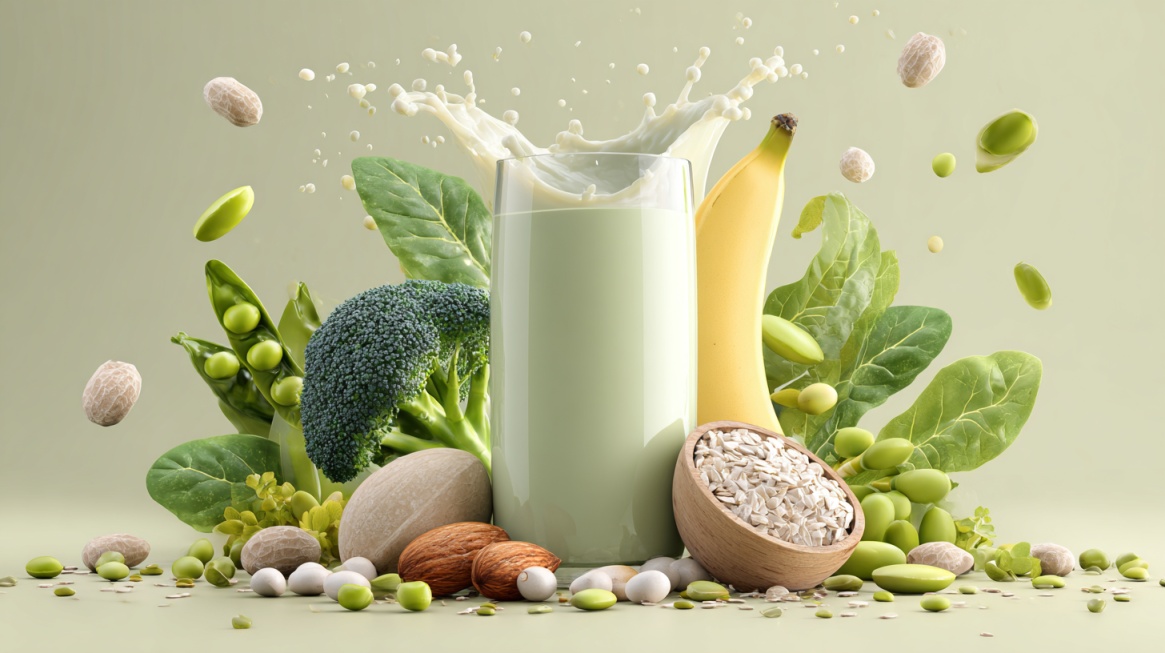
Chia seeds offer an important source of plant-based protein. Protein content typically ranges between 18 and 24 percent of the seed’s total mass.
Complete amino acid composition increases the nutritional value of chia protein.
The presence of all nine essential amino acids allows these seeds to function as a complete protein source.
Protein intake also supports recovery after physical activity and helps maintain lean muscle mass.
Energy support provided by chia seeds relates to their balanced nutrient profile. A combination of fiber, protein, and healthy fats contributes to gradual energy release throughout the day.
- Sustained energy levels
- Reduced fatigue during daily activities
- Stable metabolic function
Vegetarian and vegan diets often depend on plant foods that supply complete proteins. Chia seeds represent a convenient option that can help meet protein needs while also delivering fiber, omega-3 fatty acids, and essential minerals.
dietary patterns.
Summary
Chia seeds provide a wide range of nutritional benefits despite their small size. High fiber levels support digestion and promote gut health.
Omega-3 fatty acids and antioxidants contribute to cardiovascular protection. Blood sugar regulation improves due to slower carbohydrate digestion.
Weight management benefits occur through enhanced satiety and appetite control. Antioxidant compounds protect cells against oxidative stress and inflammation.