
Chia seeds are tiny edible seeds that come from the plant Salvia hispanica. Many people consider them a nutrient-dense superfood because of the amount of fiber, protein, healthy fats, and minerals they contain.
The popularity of chia seeds has increased in recent years because they are simple to prepare and easy to add to daily meals. Preparation does not require cooking or complicated steps, which makes them convenient for busy schedules.
The flavor of chia seeds is mild with a slightly nutty taste. That subtle flavor works well with both sweet and savory foods.
Chia seeds can be eaten in many ways. Let’s see how.
Easy Ways to Add Chia Seeds to Your Day
Simple preparation and mild flavor make chia seeds easy to include in everyday meals. Small amounts can improve texture and increase fiber, protein, and healthy fat intake.
Regular use does not require complicated recipes. Many people begin by adding a spoonful to foods they already enjoy, then gradually expand into additional uses as they become familiar with the texture.
Make Chia Pudding
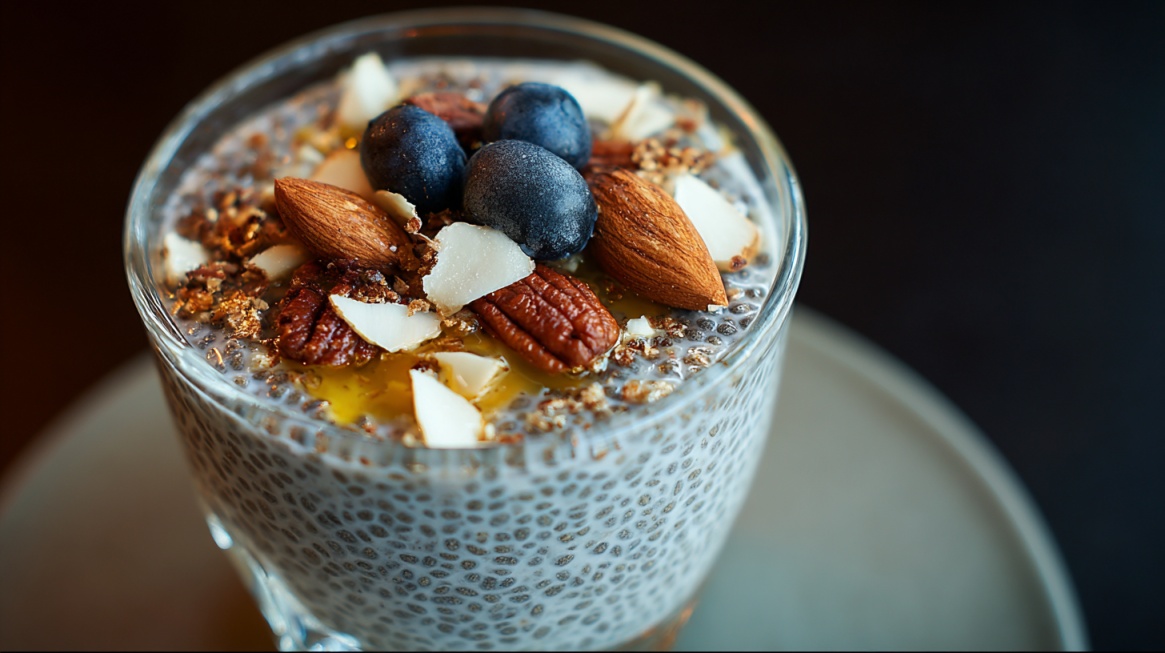
Chia pudding remains one of the most common ways people enjoy seeds. Liquid absorbs into the seeds and forms a soft gel texture that resembles pudding. Preparation usually takes only a few minutes, followed by a resting period in the refrigerator.
Basic preparation usually follows a simple ratio.
- 2 to 3 tablespoons chia seeds
- 1 cup milk or plant-based milk
- Optional sweetener such as honey or maple syrup
The mixture should rest in the refrigerator for several hours or overnight. Seeds absorb liquid and thicken gradually.
Additional toppings can improve flavor and nutrition.
@eatpayyloveThe BEST chia seed pudding recipe 2 tbsp chia seeds 1/2 cup milk 1/2 cup plain or vanilla greek yogurt 2 tsp – 1 tbsp maple syrup Few dashes cinnamon Splash vanilla extract♬ Debussy Arabesque – Isabelle Perrin
- Fresh fruit such as berries, banana slices, or mango
- Nuts like almonds or walnuts
- Granola for added crunch
- Coconut flakes or cinnamon for extra flavor
Prepared pudding works well as a breakfast meal, an afternoon snack, or a light dessert.
Add Them to Smoothies
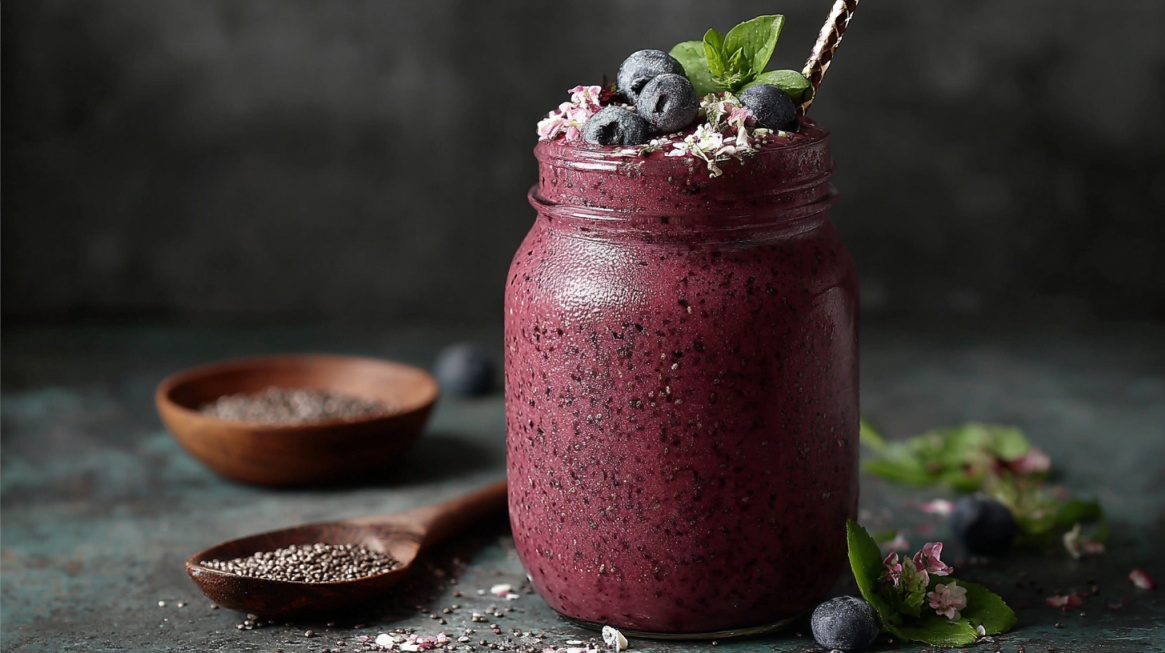
Smoothies provide another convenient option for chia seeds. The smooth texture of blended drinks allows seeds to mix easily without changing flavor very much.
- Add seeds directly into the blender during preparation
- Stir soaked seeds into the drink after blending
Hydrated seeds often thicken smoothies slightly, which creates a creamier texture. Many smoothie combinations benefit because added fiber helps make the drink more filling.
Popular smoothie ingredients that work well with chia seeds include bananas, berries, spinach, yogurt, almond milk, and protein powder.
Stir Into Yogurt or Parfaits
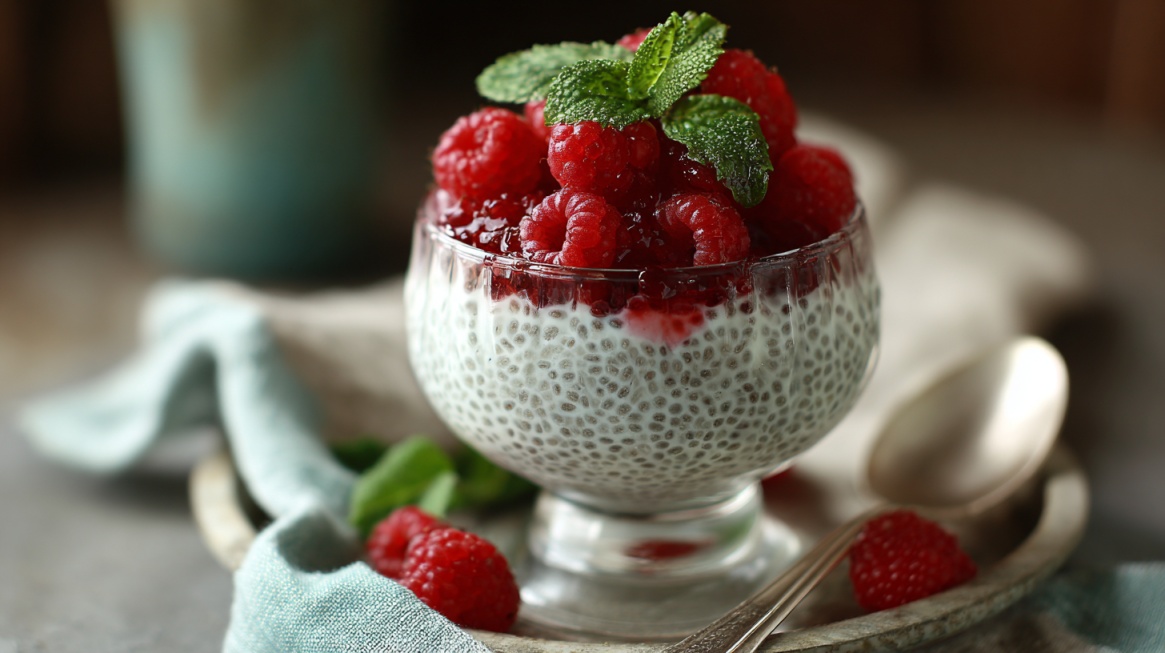
Yogurt offers another easy way to add chia seeds to daily meals. Creamy texture pairs well with hydrated seeds, creating a thicker and more satisfying dish.
Preparation usually involves stirring one or two teaspoons of seeds into a bowl of yogurt. Seeds can be mixed immediately or soaked briefly before adding.
Layered yogurt parfaits can include several ingredients to create a balanced snack or breakfast.
- Yogurt
- Fresh fruit
- Granola
The combination adds protein, fiber, and natural sweetness. The resulting dish provides long-lasting satiety and improved nutrient intake.
Mix Into Oatmeal or Overnight Oats
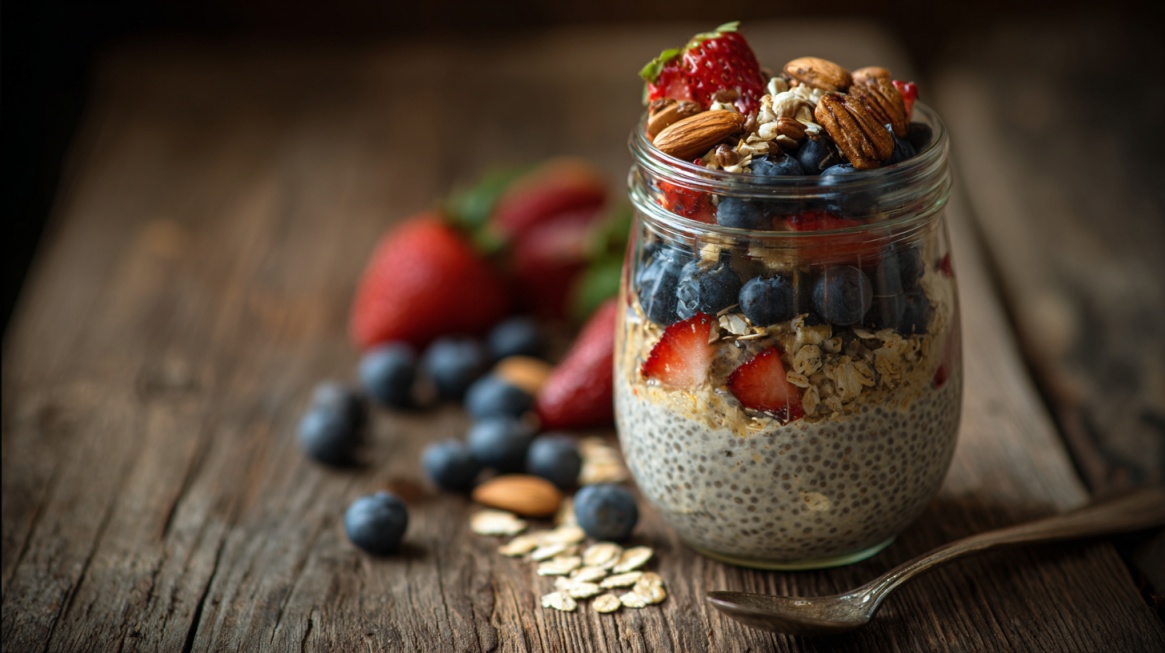
Oatmeal pairs well with chia seeds because both ingredients absorb liquid and create a thick texture. Small amounts can increase fiber content without changing flavor dramatically.
Hot oatmeal allows seeds to be stirred in during cooking or added after preparation. Heat helps seeds hydrate quickly.
Overnight oats provide another popular method. Preparation usually involves combining several ingredients in a jar or bowl before refrigeration.
- Rolled oats
- Milk or plant-based milk
- Fruit or sweetener
Mixture rests overnight in the refrigerator. Seeds and oats absorb liquid during that time, creating a thick and creamy consistency by morning.
Sprinkle Over Breakfast Foods
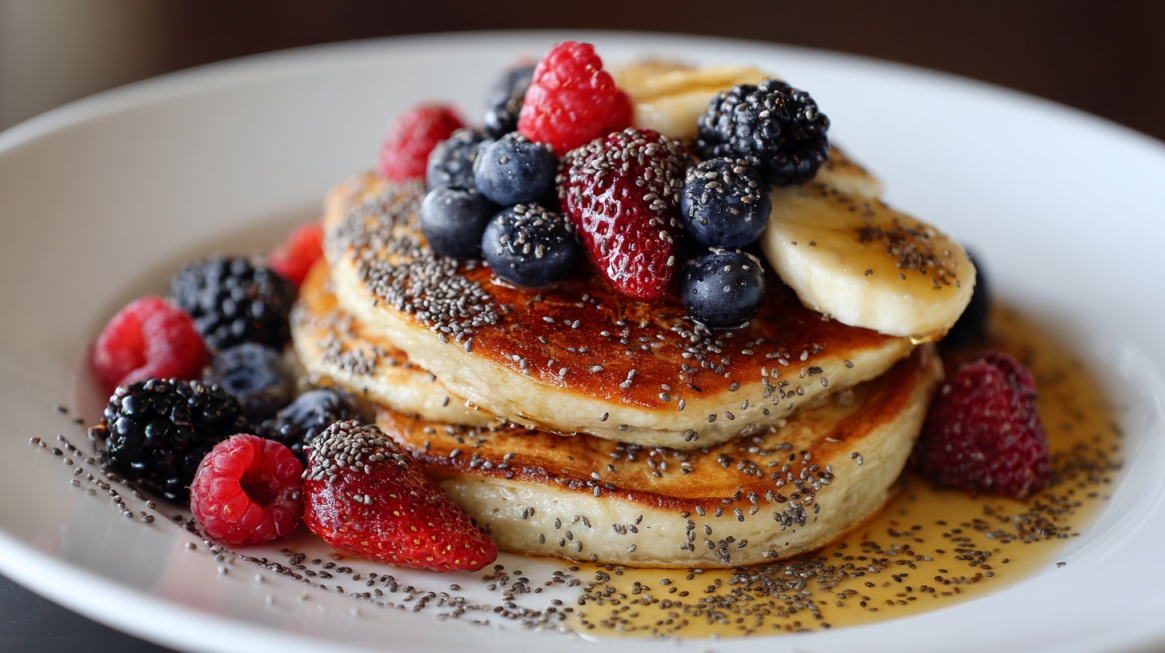
Chia seeds can also act as a simple topping. Small sprinkle can add nutrients without altering taste significantly.
Many common breakfast foods work well with chia seeds.
- Breakfast cereal
- Avocado toast
- Pancakes
- Waffles
- Toast with nut butter
Small addition adds fiber, omega-3 fatty acids, and protein. Texture remains light and slightly crunchy if seeds remain dry.
Add to Salads or Grain Bowls
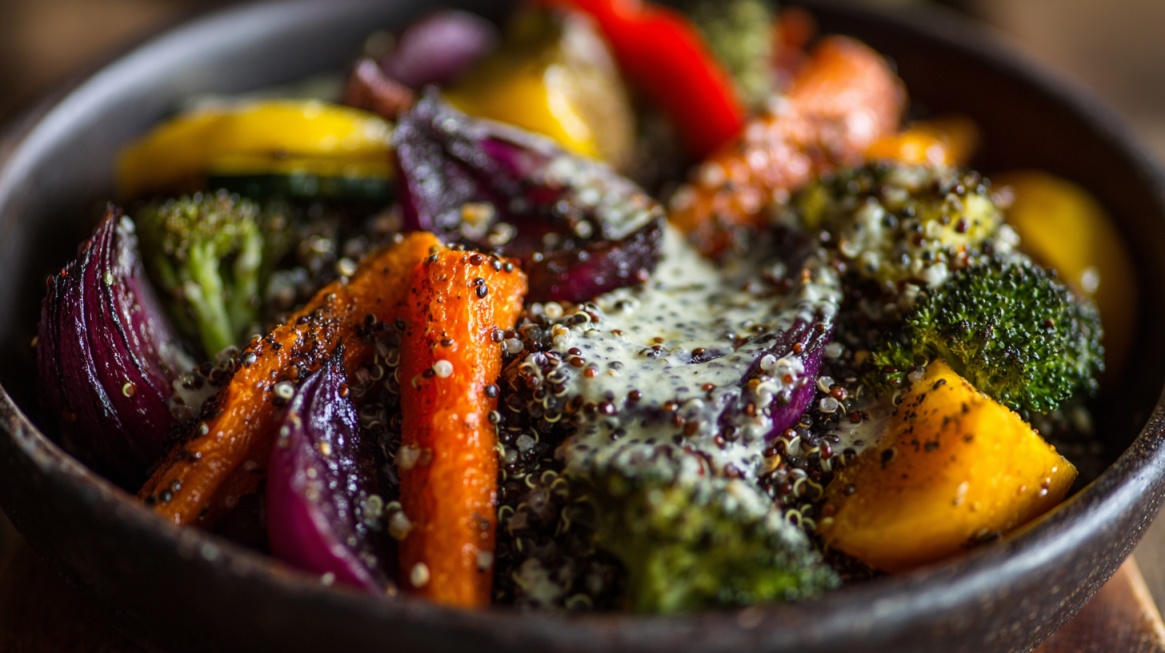
Lunch and dinner meals can also include chia seeds. Salads and grain bowls allow easy addition without changing overall flavor of the dish.
Seeds can be sprinkled over vegetables, rice, quinoa, or mixed greens. Mild taste makes them compatible with many ingredients.
- Brown rice or quinoa
- Roasted vegetables
- Beans or lentils
- Leafy greens
Use Them as a Thickener
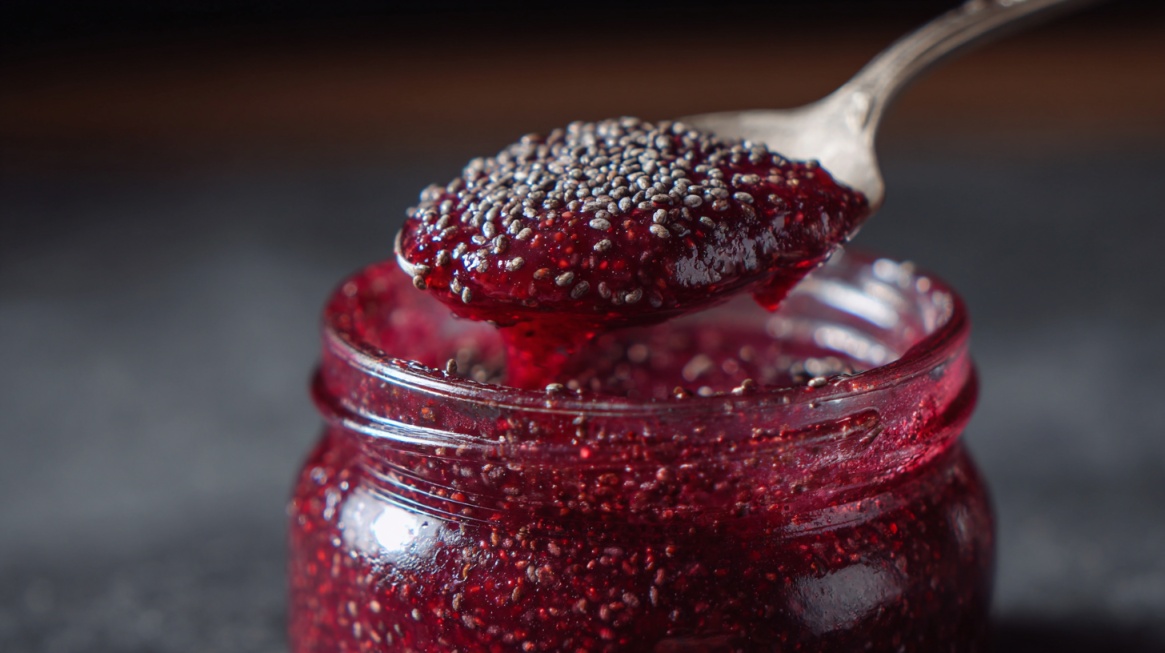
The ability to absorb liquid allows chia seeds to act as a natural thickening ingredient. Gel structure forms when seeds sit in liquid for several minutes.
- Homemade fruit jam
- Sauces
- Puddings
- Dessert fillings
Jam preparation offers a common example. Mashed fruit mixed with these thickens naturally without needing pectin or long cooking times.
Small quantities often create noticeable changes in texture. Many recipes require only one or two tablespoons.
Use as an Egg Substitute in Baking
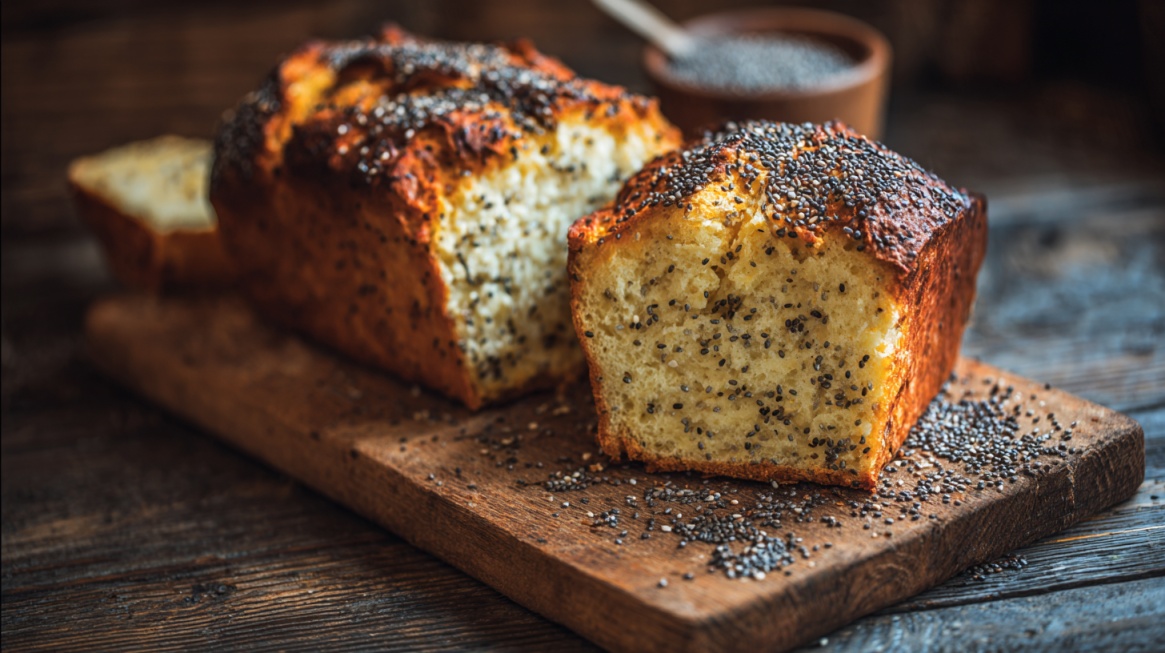
Plant-based baking often replaces eggs with alternatives that help bind ingredients. Chia seeds can perform that role when mixed with water.
A combination of chia seeds and water forms a thick gel often called an egg.
- 1 tablespoon chia seeds
- 2.5 tablespoons water
The mixture should rest for several minutes until the gel forms.
Chia egg works well in baked goods such as muffins, pancakes, quick breads, and cookies. The binding effect helps hold ingredients together during baking.
Make a Chia Drink
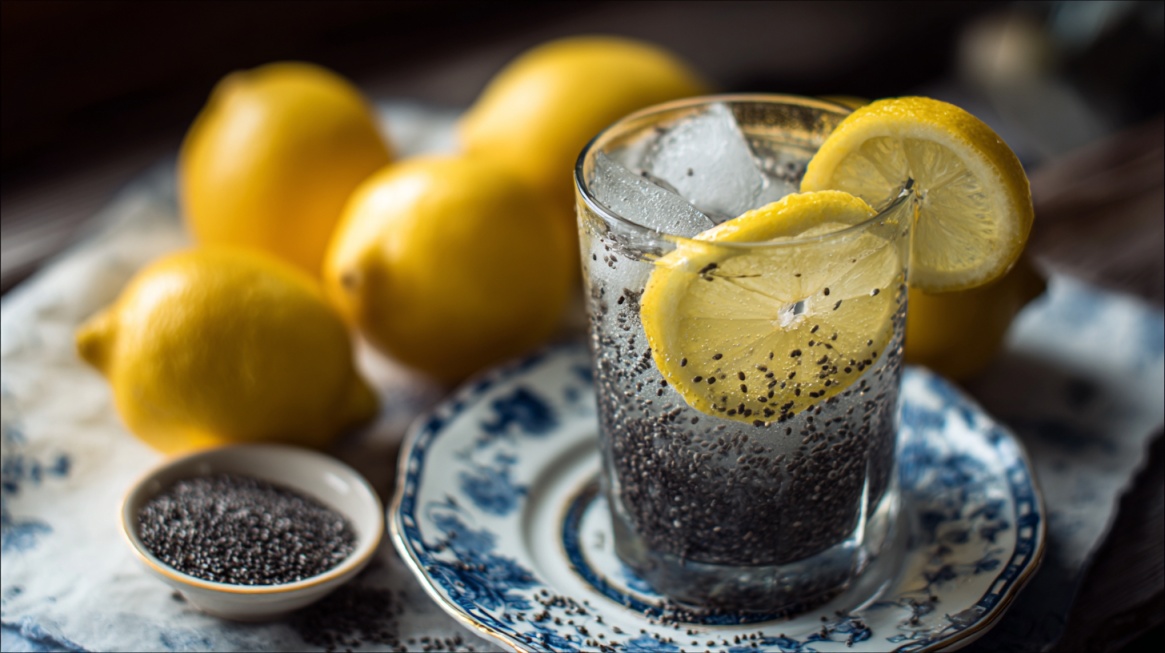
Chia seeds can also be used in refreshing drinks. Hydrated seeds create a light gel texture that adds body to beverages.
Preparation typically involves stirring seeds into liquid and allowing them to hydrate for several minutes.
- Water
- Lemonade
- Fruit juice
- Coconut water
Many people enjoy chia drinks as a refreshing option during warm weather. Fiber content may also help improve satiety compared to regular beverages.
Why Add Chia Seeds to Your Diet
Growing interest in chia seeds comes largely because of their nutritional profile. Small serving sizes provide fiber, protein, healthy fats, and essential minerals. Regular inclusion in meals may contribute to improved dietary balance.
Nutritional value and versatility make chia seeds easy to include in everyday eating habits.
Nutritional Benefits
Chia seeds contain significant amounts of dietary fiber. Fiber supports digestive health and helps promote a feeling of fullness after meals.
- Dietary fiber
- Omega-3 fatty acids
- Plant based protein
- Minerals such as calcium, magnesium, and iron
Fiber plays a key role in digestive function and gut health. High fiber foods may also support satiety and reduce excessive calorie intake.
Omega-3 fatty acids support cardiovascular health. These fats contribute to healthy cholesterol balance and support normal heart function.
Protein content in chia seeds includes all essential amino acids. Plant-based protein supports muscle maintenance and general body function.
Several important minerals are also present.
- Calcium supports bone strength and muscle activity
- Magnesium contributes to nerve and muscle function
- Iron supports oxygen transport in the blood
Antioxidants found in chia seeds help protect cells against oxidative stress caused by free radicals.
Potential Health Benefits
Regular consumption of chia seeds may contribute to several health-related improvements. Fiber, protein, and healthy fats support multiple body systems.
Heart health may benefit from omega-3 fatty acids and fiber content. These nutrients may help improve cholesterol balance and support cardiovascular function.
Weight management may also improve with regular intake. Foods high in fiber and protein promote satiety, which may reduce overeating.
Blood sugar stability represents another potential advantage. Fiber slows carbohydrate absorption, which may help reduce rapid glucose spikes after meals.
Digestive health may also improve. Fiber supports regular bowel movements and encourages healthy gut bacteria.
Versatility in Meals
Chia seeds adapt easily to many foods due to their mild flavor and flexible texture. Hydrated seeds develop a gel consistency, while dry seeds remain slightly crunchy.
- Breakfast dishes such as oatmeal or yogurt
- Snacks like pudding or smoothies
- Drinks such as chia water or lemonade
- Baked goods, including muffins and pancakes
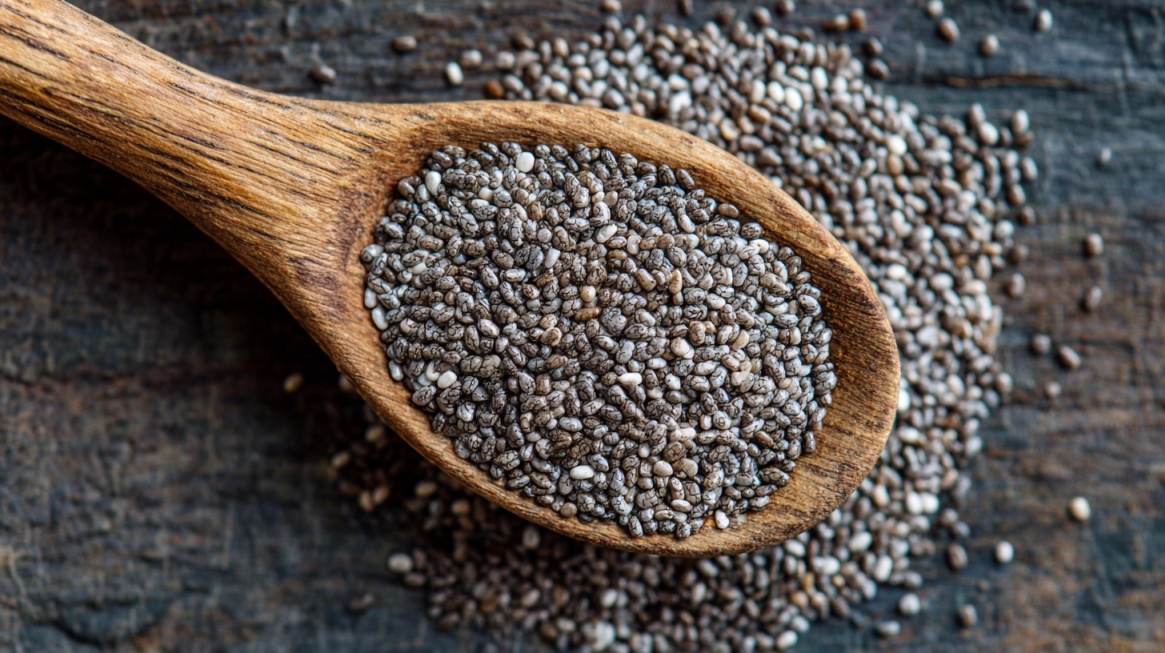
Versatile texture allows chia seeds to function as topping, thickener, or binding ingredient in recipes.
How to Eat Chia Seeds Safely
Chia seeds provide many nutritional benefits, yet safe preparation remains important. Proper hydration and moderate serving sizes help prevent digestive discomfort.
Simple guidelines can help ensure safe consumption.
Avoid Eating Large Amounts of Dry Seeds
Dry chia seeds absorb liquid quickly and expand after contact with moisture. Large amounts eaten dry may cause discomfort.
Expansion inside the throat or digestive tract may increase choking risk. Hydrating seeds before eating reduces that risk significantly.
Small quantities sprinkled on moist foods usually present little concern. Larger portions should always be hydrated first.
Soak or Hydrate Seeds
Soaking allows seeds to absorb liquid before consumption. Gel texture forms during hydration, which improves digestibility.
- Milk
- Plant-based milk
- Water
- Fruit juice
Soaking usually takes about 10 to 25 minutes. Longer resting periods create a thicker gel.
Hydrated seeds are easier to swallow and digest.
Start With a Small Serving
High fiber content can cause digestive discomfort if intake increases too quickly. Gradual adjustment allows the digestive system to adapt.
Many nutrition experts suggest beginning with about one tablespoon per day. Intake can slowly increase after the body adapts.
A gradual increase helps reduce possible symptoms such as bloating or gas.
The Bottom Line
Chia seeds are a convenient ingredient that can easily fit into everyday meals and snacks.
High fiber, protein, and omega-3 content provide several potential health benefits.
Proper soaking and moderate portions help ensure safe consumption.
Simple preparation methods allow chia seeds to become a nutritious addition to daily eating habits.