
Tortillas sit in many kitchens as a go-to staple for quick meals and snacks. Packages often remain in the pantry or fridge longer than expected, especially since they look and feel fine at first glance. Many people assume tortillas last almost forever due to preservatives and sealed packaging.
Concern arises when noticing a date on the package that has already passed. Questions about expired tortillas and possible health risks are way more frequent than most imagine they are.
Eating something that seems normal but might be spoiled can feel uncertain, especially without obvious warning signs.
That’s why it is important to talk about it.
Is It Safe to Eat Expired Tortillas?
Expired tortillas do not automatically become dangerous once the printed date passes; in fact, in many cases, tortillas can still be eaten days or even up to one to two weeks after that date if stored properly and if no spoilage signs appear.
Most packaged tortillas carry a best-by date, which reflects peak quality rather than strict safety.
Appearance, smell, and texture act as the most reliable indicators. A tortilla that looks normal, smells neutral, and feels flexible may still be safe to eat. Once any unusual change appears, risk increases significantly.
Mold changes the situation completely. Mold on expired tortillas is not just a surface issue. Fungal growth can spread roots through the product, even if only small spots are visible. Some molds produce mycotoxins, which can remain harmful even after heating.

Cooking, microwaving, or toasting does not fully remove these toxins or eliminate all bacteria.
Health risks tied to spoiled tortillas include foodborne illness. Harmful bacteria such as E. coli may develop, especially if tortillas are stored improperly. Symptoms can include nausea, vomiting, diarrhea, and stomach discomfort.
Children, older adults, and individuals with weakened immune systems should avoid eating expired tortillas unless freshness is very clear. Even small exposure can lead to complications.
A simple guideline helps reduce risk. If anything feels off or uncertain, discard the tortillas. Saving food is important, but not at the cost of health.
How Long Do Tortillas Last?
At room temperature, unopened packages may remain usable for about a week past the printed date. Flour tortillas from stores tend to last longer due to preservatives.
Shelf life, of course, varies based on ingredients, processing, and storage conditions.
Refrigeration extends that window to roughly three to four weeks, while freezing can preserve them for six to eight months.
Corn tortillas have a shorter lifespan because of higher moisture content. Refrigerated corn tortillas can last several weeks, though quality declines over time. At room temperature, they often last about seven to ten days.
Homemade tortillas spoil quickly. Without preservatives, they usually last only two to three days at room temperature and up to about a week when refrigerated.
Opened packages deteriorate faster due to exposure to air and moisture. Even under refrigeration, opened tortillas should ideally be consumed within a few days to maintain quality.
Heat, humidity, and improper sealing accelerate spoilage. Storage plays a critical role in determining how long expired tortillas remain safe.
Signs Your Tortillas Have Gone Bad
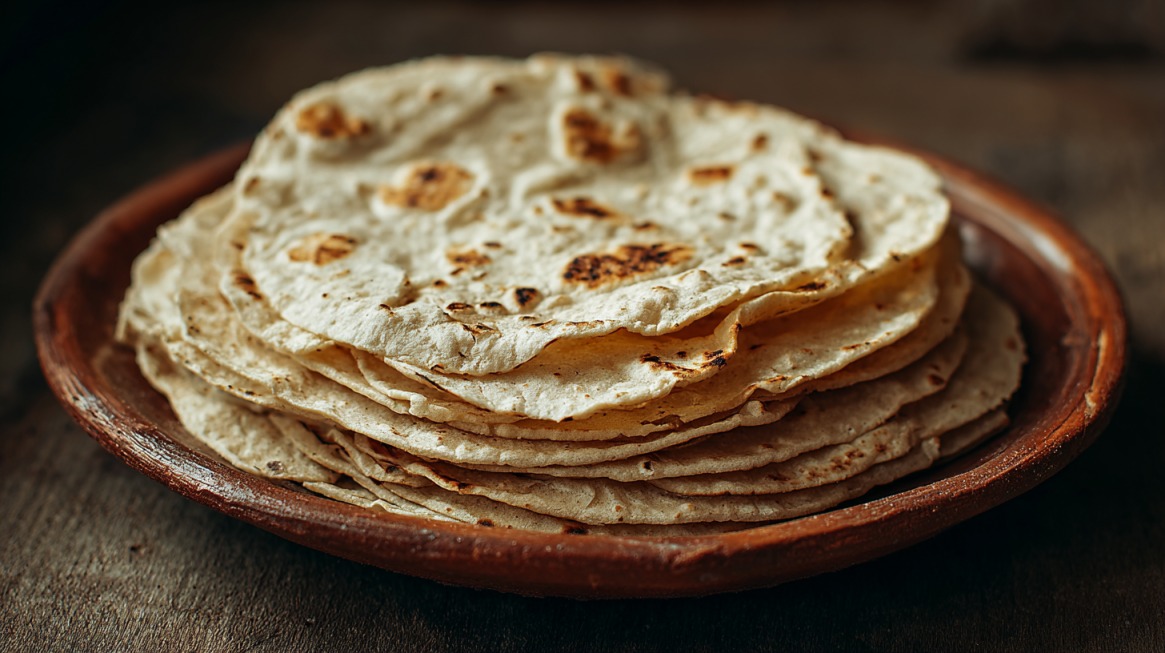
Visual cues provide the clearest warning. Mold appears as green, blue, black, or even white fuzzy spots across the surface.
Any visible mold means the entire package should be discarded immediately, since contamination spreads beneath the surface through invisible roots. Cutting off affected areas is not safe.
Smell offers another strong indicator. Fresh tortillas carry a mild, neutral aroma. Noticeable changes in scent often signal spoilage before mold becomes visible:
| Smell Indicator | What It Suggests |
|---|---|
| Sour odor that resembles fermented dough | May indicate early spoilage and unwanted fermentation. |
| Musty or damp smell similar to old bread | Can suggest moisture exposure and possible mold development. |
| Rancid scent that feels unpleasant or sharp | Often signals fat breakdown and that the tortillas are no longer fresh. |
Texture changes often follow as spoilage progresses.
- Slimy or sticky surface indicating bacterial growth
- Excess moisture or dampness inside the package
- Unusual softness combined with a wet feel
Dryness can also occur, though it signals quality loss more than immediate danger:
- Excessive hardness that makes folding difficult
- Cracking or breaking when bent
- Stiff edges that no longer feel pliable
Taste can confirm spoilage when other signs are subtle. Even a small bite can reveal that something is wrong:
| Taste Indicator | What It Suggests |
|---|---|
| Bitter flavor that was not present before | May indicate spoilage or ingredient breakdown. |
| Sour or tangy taste that feels off | Can suggest fermentation or bacterial activity. |
| Lingering unpleasant aftertaste | Often signals that the tortillas are no longer safe or fresh to eat. |
Careful attention to these signs helps prevent consuming expired tortillas that could lead to illness. Ignoring small changes increases the risk of eating spoiled food, especially when mold or bacteria are already present.
How to Store Tortillas Properly
@mixedryssa Replying to @MGRDZ ♬ original sound – Maryssa Flores
Original packaging should be closed securely, or tortillas should be transferred to airtight containers or resealable bags to limit air and moisture exposure. Keeping tortillas sealed tightly is essential; it goes without saying.
Cool and dry storage conditions slow down deterioration. Pantry storage works for short-term use, but refrigeration is more effective for extending freshness. Lower temperatures reduce mold and bacterial growth, though tortillas may dry slightly over time.
Freezing provides the longest preservation. Tortillas stored in airtight packaging can last for several months in the freezer with minimal quality loss. Separating them with parchment or wax paper allows easy thawing and prevents sticking.
Avoiding exposure to humidity and heat is critical. Moisture encourages mold, while warm environments speed up spoilage.
Consistent storage habits make a major difference in reducing waste and avoiding unsafe expired tortillas.
Also Read: Did you know that rice cakes can expire? Learn the signs of spoilage and the consequences of eating bad rice cakes.
Summary
Tortillas do not last forever and can become unsafe over time. Shelf life depends on ingredients, type, and storage conditions.
Checking for visible mold, unusual smells, and texture changes helps determine safety before eating. Expired tortillas may still be usable in some cases, but caution is necessary.
When uncertainty arises, throwing them away remains the safest choice. Balancing food safety with waste reduction starts with awareness and proper storage habits.