
Truffle oil has become a popular gourmet ingredient used to add the distinctive aroma and flavor associated with truffles to everyday meals. Fresh truffles remain expensive and seasonal, which makes them difficult to use regularly in home cooking.
A few drops can transform simple ingredients into something that feels refined and restaurant-quality.
Strong concentration also creates a challenge. Excess use can quickly overpower other ingredients and dominate the entire plate. Careful application helps preserve balance while allowing truffle aroma to enhance the dish.
Proper technique makes a significant difference. Small amounts added at the correct stage of preparation allow truffle oil to enhance flavor instead of dominating it.
Used with restraint and paired with compatible ingredients, truffle oil adds a sophisticated finishing touch to many foods.
The Golden Rules for Cooking with Truffle Oil
Successful use of truffle oil depends on restraint, timing, and thoughtful pairing. Strong aroma can enhance many foods, yet careless use quickly overwhelms a dish. A few guiding principles help cooks maintain balance while allowing earthy fragrance to improve flavor.
Proper handling turns a small amount of oil into a powerful finishing touch. Attention to quantity, cooking stage, and ingredient pairing prevents common mistakes.
Use It Sparingly
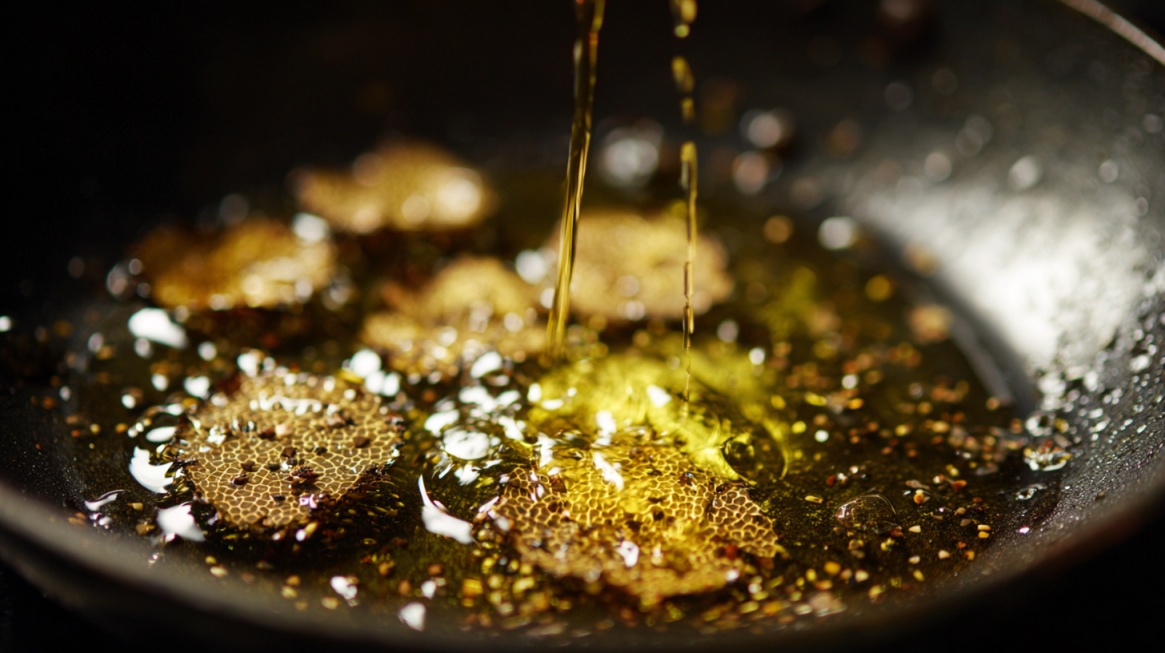
Truffle oil carries a concentrated aroma and flavor profile that requires careful control. Only a few drops or a drizzle usually provide enough intensity to improve a dish.
Heavy application creates a strong taste that hides other ingredients. Balanced cooking relies on restraint. Small quantities allow truffle aroma to complement surrounding flavors rather than dominate them.
Many cooks treat truffle oil as a seasoning rather than a primary ingredient. Measured use keeps harmony across ingredients while still delivering earthy character.
- A few drops over finished pasta
- A drizzle across roasted potatoes
- A tiny splash stirred into scrambled eggs just before serving
Gradual addition also helps control flavor strength. Starting with minimal oil allows adjustment without overwhelming the dish.
Add it at the End
Truffle oil performs best as a finishing oil instead of a cooking oil. Heat weakens aromatic compounds responsible for its scent and flavor.
Application immediately before serving protects the fragrance and allows diners to notice the aroma as soon as the food reaches the table. Warm dishes release scent quickly, which makes finishing application especially effective.
Cooking oil in hot pans usually leads to lost aroma and wasted ingredients. Prolonged exposure to heat reduces the sensory impact significantly.
Steam rising off hot food carries the aroma upward, allowing diners to experience the fragrance right away.
Pair It with Simple Ingredients
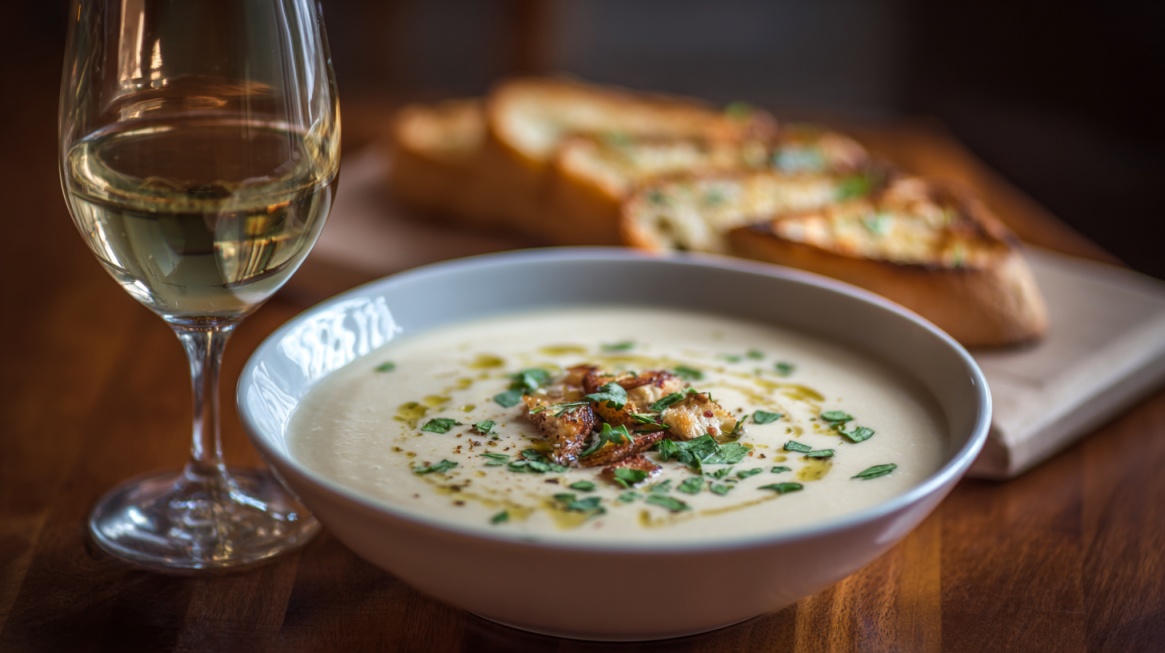
Simple ingredients create the best base for truffle oil. Mild flavors allow its earthy scent to remain noticeable without competition.
Foods with neutral taste allow aromatic oils to shine.
- Fresh pasta with butter or Parmesan
- Creamy risotto with light seasoning
- Mashed or roasted potatoes
- Soft scrambled eggs
- Lightly sautéed mushrooms
Minimal seasoning also supports balance. Heavy spice blends tend to hide truffle aroma. Simple preparations give the oil space to influence the dish.
Balance the Flavor with Complementary Ingredients
Certain ingredients naturally support truffle oil and help maintain balance. Foods containing fat or strong umami characteristics enhance the overall flavor profile.
Cheese, dairy, and savory ingredients create a supportive base that strengthens aroma while preventing excessive intensity.
Fat distributes aromatic compounds across the dish, which softens intensity and creates smoother flavor integration.
Careful pairing allows truffle oil to remain noticeable without overpowering the plate.
Best Dishes to Use Truffle Oil Without Overpowering Them
Many foods benefit greatly when finished with truffle oil. Mild flavors and simple preparations allow its aroma to contribute depth without dominating the dish.
Warm dishes often release aroma most effectively, which makes finishing oil especially effective when added at the final moment.
Pasta and Risotto
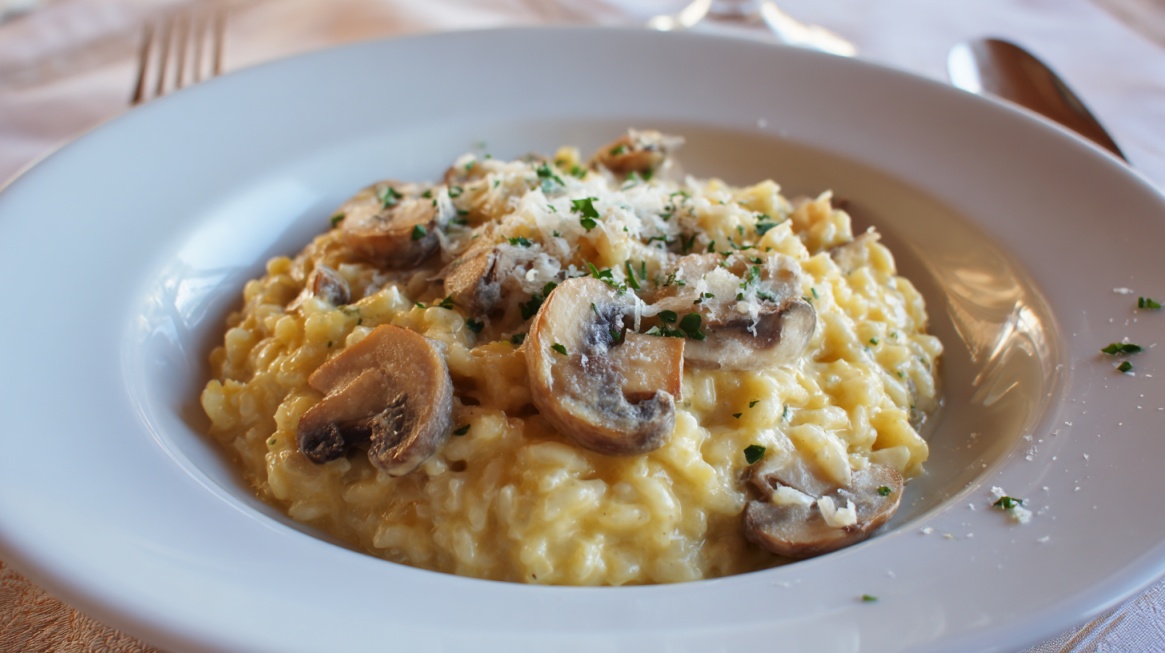
Pasta and risotto appear frequently in truffle dishes because warm starch absorbs aroma easily. Steam rising off noodles or creamy rice spreads fragrance across the plate.
Light drizzle added just before serving allows the scent to remain noticeable throughout the meal. Butter or Parmesan pasta benefits especially well, since fat helps distribute flavor evenly.
- Tagliatelle with butter and Parmesan
- Fettuccine with mushrooms
- Creamy risotto finished with cheese
- Simple pasta with olive oil and herbs
Careful use keeps the truffle aroma present without masking the pasta texture or the sauce flavor.
Potato Dishes
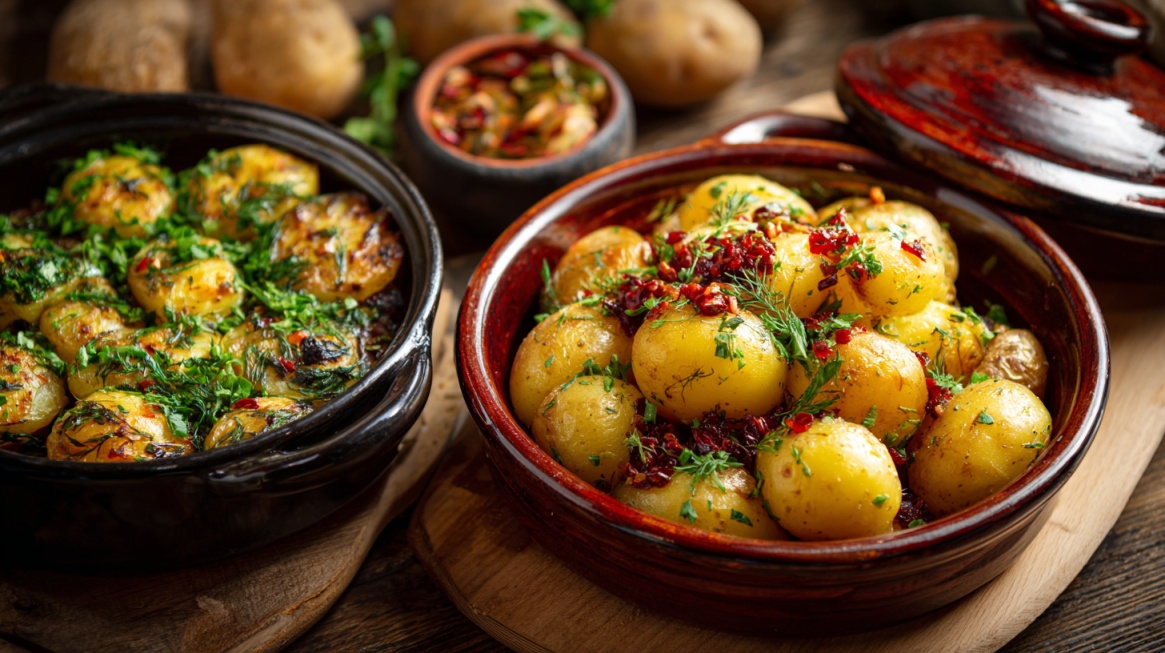
Potatoes provide an ideal base because their flavor remains neutral. Mild taste allows truffle oil to stand out clearly.
Warm potatoes absorb aroma easily, which helps distribute fragrance throughout the dish.
- Truffle fries finished with grated Parmesan
- Mashed potatoes with butter and cream
- Potato purée served with roasted meat
- Roasted potatoes lightly seasoned with salt
Even simple potato dishes gain a refined impression with only a small amount of oil added after cooking.
Eggs

Eggs provide an excellent canvas for truffle flavor. Soft texture and mild taste allow aromatic oils to shine clearly.
Breakfast dishes often benefit from just a few drops. Warm eggs release scent quickly, which makes finishing oil especially effective.
- Scrambled eggs finished with a few drops
- Soft omelets with mushrooms
- Poached eggs over toast
- Fried eggs served with roasted potatoes
Gentle application keeps flavor balanced while adding noticeable aroma.
Vegetables
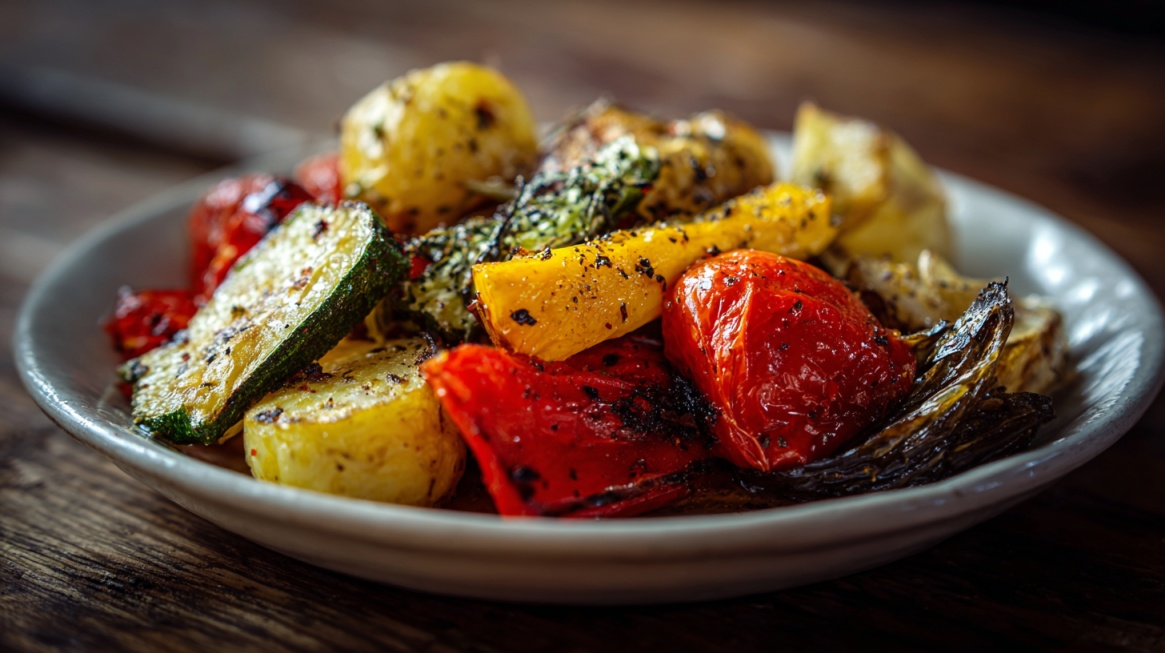
Vegetables also gain additional depth when finished with truffle oil. Roasted or steamed vegetables often benefit most because warm surfaces release fragrance.
Earthy vegetables respond especially well. Mushrooms already contain strong umami notes that pair naturally with truffle aroma.
- Roasted asparagus
- Sautéed mushrooms
- Roasted root vegetables such as parsnips
- Crispy potatoes or sweet potatoes
Light drizzle after cooking introduces fragrance without overpowering natural vegetable flavors.
Snacks and Appetizers
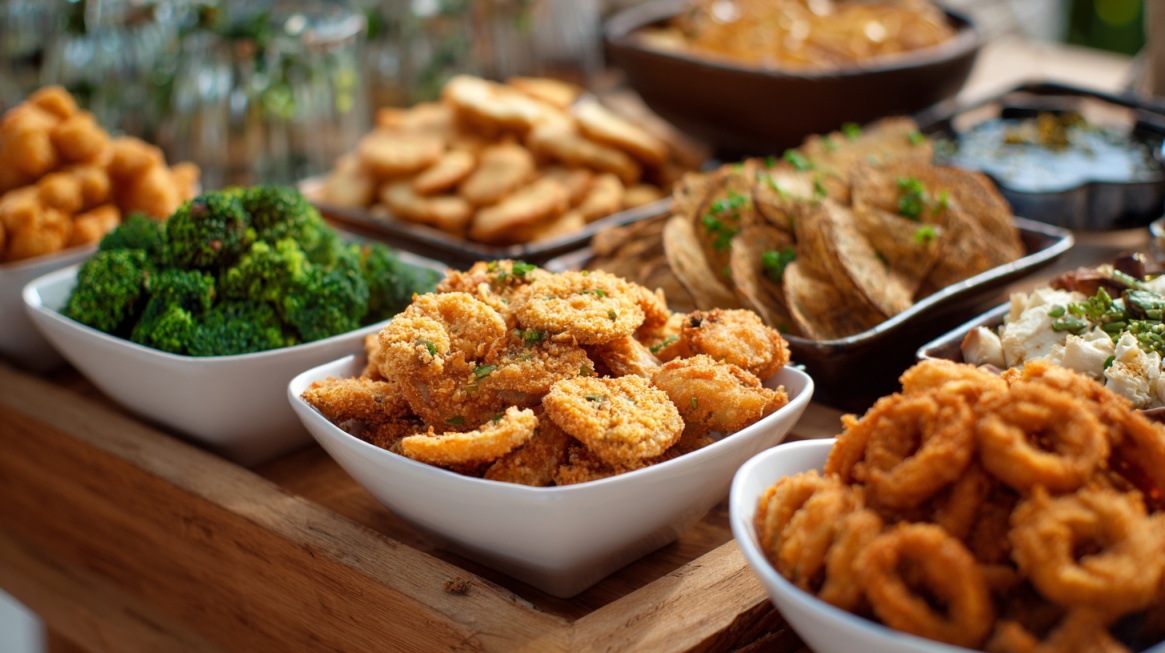
Simple snacks can gain a gourmet impression with careful use of truffle oil. Small amounts quickly transform casual foods into more refined bites.
Mild ingredients allow the aroma to spread easily across the dish. Warm snacks often produce the strongest sensory effect.
- Popcorn lightly tossed with truffle oil
- Crostini topped with cheese or mushrooms
- French fries finished with Parmesan
- Bean dips or cheese spreads
Small quantities remain essential since snack foods often contain mild flavors that can be overwhelmed easily.
Creative Ways to Use Truffle Oil
Creative use of truffle oil allows cooks to add a sophisticated aroma to many dishes outside traditional pasta or potato recipes. Finishing oil works especially well in sauces, dressings, and comfort foods.
Careful application preserves balance while introducing earthy complexity.
Salad Dressings and Vinaigrettes
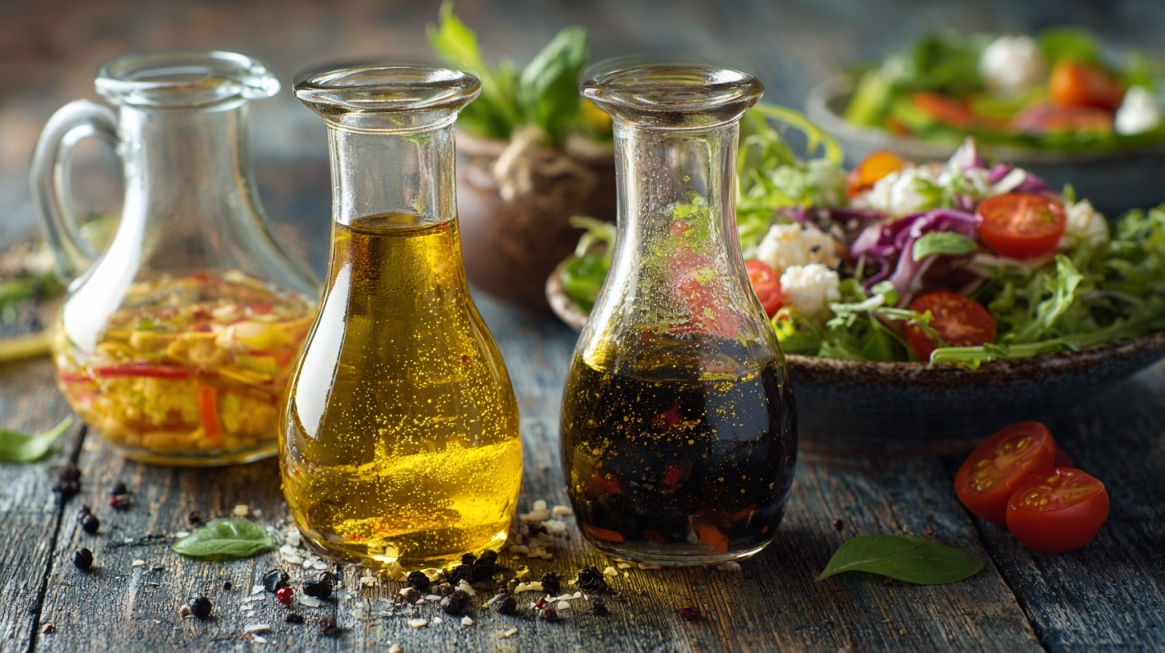
Truffle oil can improve homemade dressings and vinaigrettes. Mixing small amounts with acidic ingredients creates a flavorful finishing dressing.
A combination often includes vinegar, mustard, or citrus juice. Peppery greens respond particularly well because strong leafy flavors complement truffle aroma.
- Dijon mustard
- Lemon juice
- Red wine vinegar
- Honey or light sweeteners
Arugula salads finished with truffle vinaigrette create a simple yet elegant plate.
Balanced proportions keep freshness intact while allowing truffle aroma to remain noticeable.
Soups and Creamy Sauces
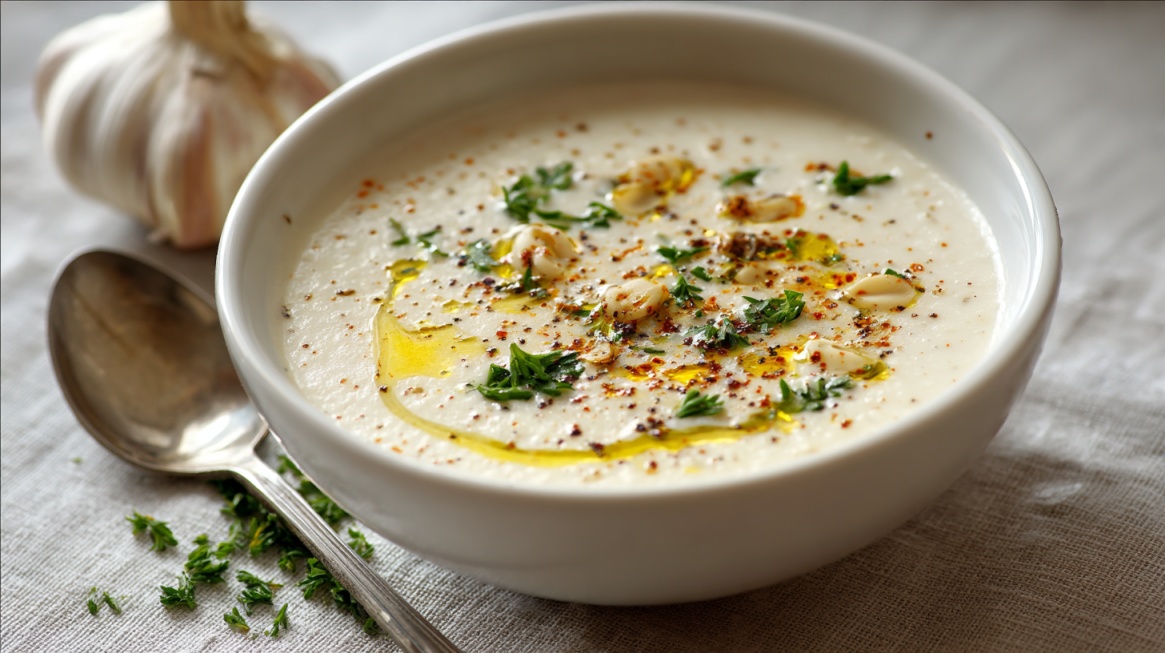
Soups provide another excellent opportunity for truffle oil. Creamy textures capture aroma effectively and distribute it evenly throughout the bowl.
Steam rising off hot soup releases fragrance quickly. Drizzle added just before serving produces the strongest effect.
- Mushroom soup
- Potato soup
- Cream-based vegetable soups
- Cauliflower soup
Minimal quantity remains important so the main flavors of the soup remain clear.
Pizza and Comfort Foods

Comfort foods gain a refined touch when finished with truffle oil. Warm surfaces help distribute aroma quickly across the dish.
Application after baking or cooking protects delicate flavor compounds.
- Pizza topped with mushrooms or cheese
- Macaroni and cheese
- French fries or loaded fries
- Grilled cheese sandwiches
A small drizzle just before serving can transform everyday meals into something more elegant without altering preparation methods.
Closing Thoughts
Truffle oil functions best as a finishing ingredient that enhances simple foods. Small amounts can transform familiar dishes into refined plates.
Successful use depends on restraint. Only a few drops often provide enough aroma.
Application at the end of cooking preserves the fragrance. Pairing with mild ingredients maintains harmony among flavors.
Thoughtful use allows truffle oil to add depth, aroma, and a luxurious finishing touch to everyday meals as well as special occasions.