
Homemade Dijon mustard offers a quick and satisfying way to add bold flavor to everyday cooking. Smooth texture, tangy bite, and balanced acidity make it a popular condiment in French cuisine and many modern kitchens.
Simple ingredients such as mustard seeds, vinegar, and seasonings come together in just a few minutes to create a fresh and vibrant mustard.
Preparation takes about 10 minutes, making it an excellent option for cooks who want a fast homemade alternative to store-bought mustard. Fresh Dijon works wonderfully in salad dressings, marinades, sandwiches, and sauces.
Flavor also pairs beautifully with foods like salmon steaks, roasted chicken, grilled sausages, and roasted vegetables, adding a sharp yet pleasant kick to each dish.
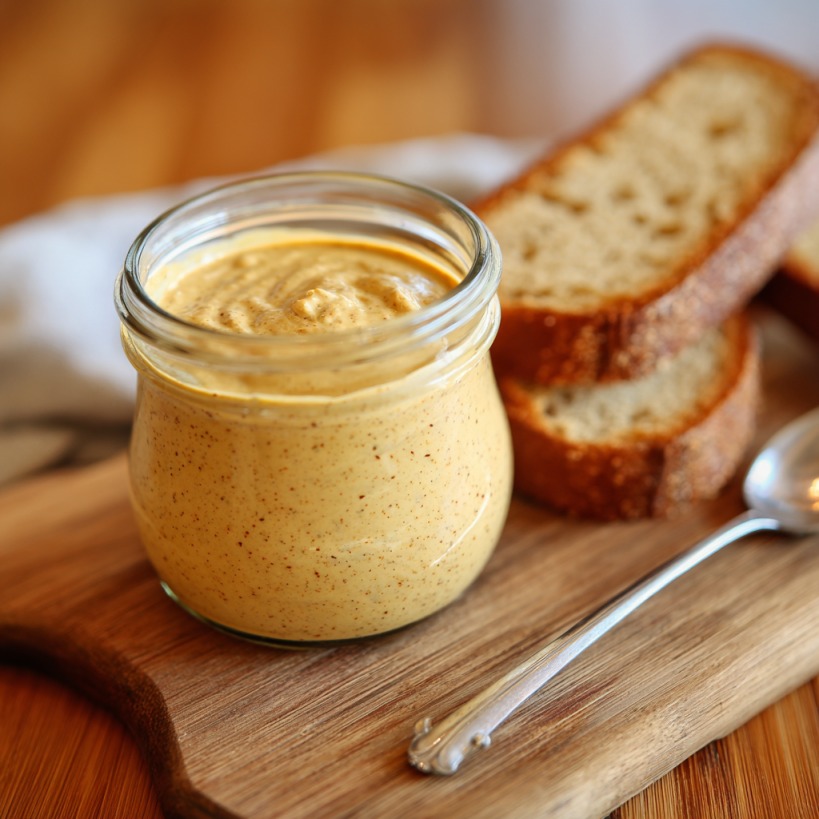
Homemade Dijon Mustard Recipe
Ingredients
Equipment
Method
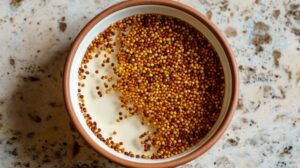
- Start by placing yellow mustard seeds and brown mustard seeds in a small bowl.Add white wine vinegar and water. Stir well and allow seeds to soak for about 5 minutes.Transfer soaked mixture into a small saucepan.
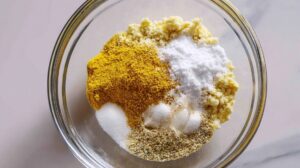
- Add mustard powder, salt, garlic powder, and honey.Heat over low heat while stirring continuously for about 3 to 5 minutes until mixture thickens slightly.Remove saucepan off heat.
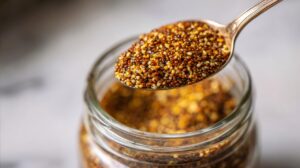
- Crush seeds lightly with a spoon or pulse briefly using a grinder if smoother texture is preferred.Spoon mustard into an airtight jar and allow cooling at room temperature.Refrigerate for best flavor development.
Video
Notes
| Nutrient | Amount (Per Tablespoon) |
|---|---|
| Calories | 15 kcal |
| Serving Size | 15 g |
| Carbohydrates | 1.2 g |
| Protein | 0.8 g |
| Fat | 0.9 g |
| Saturated Fat | 0.05 g |
| Polyunsaturated Fat | 0.3 g |
| Monounsaturated Fat | 0.4 g |
| Trans Fat | 0 g |
| Cholesterol | 0 mg |
| Sodium | 95 mg |
| Potassium | 28 mg |
| Fiber | 0.6 g |
| Sugar | 0.4 g |
| Vitamin A | 5 IU |
| Vitamin C | 0.1 mg |
| Calcium | 10 mg |
| Iron | 0.3 mg |
Are There Any Alternative Ingredients You Can Use?

Flexibility in ingredients allows homemade Dijon mustard to fit different kitchens and flavor preferences. Small substitutions can gently shift taste, aroma, or strength while keeping preparation simple and quick.
White wine vinegar creates a classic sharp bite, yet apple cider vinegar offers a softer acidity with a faint fruity note. Champagne vinegar also works well for a lighter, delicate flavor. Dry white wine may replace part of the liquid for a subtle aromatic touch that complements mustard seeds nicely.
A combination of yellow and brown mustard seeds produces balanced heat and texture. Using only yellow seeds results in a milder mustard with a smoother flavor. A greater amount of brown seeds increases pungency and depth.
Garlic powder provides a mild, savory background flavor. Freshly grated garlic can replace it when a sharper and brighter garlic note is desired. Only a small amount is needed since fresh garlic carries a stronger intensity.
Ground mustard powder helps thicken and strengthen flavor. Standard ground mustard spice found in most grocery stores works perfectly as a replacement.
Perfect Pairings for Dijon Mustard
Dijon mustard adds a sharp, tangy flavor that complements many savory dishes. Smooth texture and balanced acidity help enhance both simple meals and more complex recipes.
Strong yet refined flavor works well as a condiment, marinade ingredient, glaze, or sauce base in many kitchens.
Salmon Steaks
Salmon steaks pair exceptionally well with Dijon mustard. Tangy mustard cuts through the natural richness of salmon and creates a balanced bite. A thin layer brushed over salmon before baking, grilling, or pan searing forms a flavorful coating that slightly caramelizes during cooking.
Dijon also mixes well with garlic, lemon juice, olive oil, and fresh herbs such as dill or parsley to create a quick glaze. Such glaze keeps salmon moist while adding bright, savory flavor.
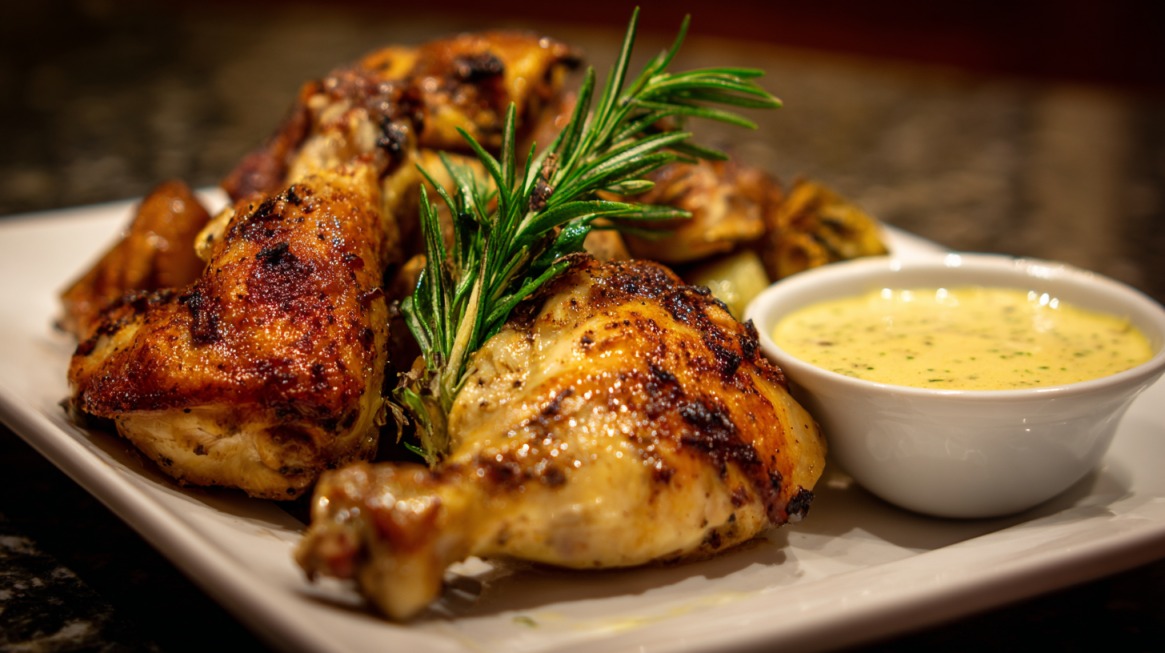
Roasted Chicken
Roasted chicken becomes more flavorful with a coating of Dijon mustard. Mustard acts as a binder that helps herbs, garlic, and spices cling to chicken skin. The resulting roast develops a savory crust while the meat remains juicy inside.
Dijon mixed with thyme, rosemary, olive oil, and crushed garlic creates a simple marinade suitable for whole chicken, thighs, or drumsticks. Mustard also pairs well with honey for a sweet and tangy chicken glaze.
Sandwiches and Burgers
Sandwiches and burgers gain extra depth with a layer of Dijon mustard. Tangy bite adds contrast to rich meats and creamy toppings. Turkey sandwiches, roast beef sandwiches, grilled chicken sandwiches, and classic beef burgers all benefit.
Dijon spreads easily and works well combined with mayonnaise for a creamy sandwich sauce. Flavor also complements caramelized onions, lettuce, tomatoes, and melted cheeses.
Salad Dressings
Dijon mustard works as an excellent base for vinaigrettes and creamy dressings. Natural emulsifying properties help oil and vinegar combine smoothly.
Simple dressing made with Dijon mustard, olive oil, vinegar, honey, and black pepper adds bold flavor to leafy greens, pasta salads, and potato salads. Dijon also pairs nicely with lemon juice and herbs for lighter dressings suitable for fresh vegetable salads.
Cheese Boards
Cheese boards benefit greatly from a small dish of Dijon mustard. Tangy mustard contrasts beautifully with creamy or nutty cheeses.
Cheddar, Gouda, Gruyère, and aged Swiss all pair nicely with a dab of Dijon on crackers or bread. Mustard also complements cured meats such as salami, prosciutto, and ham often included on charcuterie platters.
Summary
Homemade Dijon mustard offers a quick way to add bold flavor to everyday meals.
Simple ingredients and a short preparation time make it an easy condiment to prepare at home. Fresh mustard delivers a stronger aroma and brighter taste than many store options.
A small spoonful can transform simple dishes into something more flavorful.