
Baking powder plays an important role in many baked recipes such as cakes, muffins, biscuits, pancakes, and quick breads. Purpose centers on helping the batter or dough rise during baking and creating a light, fluffy texture. Gas forms when baking powder reacts with liquid and heat, causing the mixture to expand.
The basic structure of baking powder includes three ingredients:
- Baking soda acts as the base
- Cream of tartar or another acid triggers the reaction
- Cornstarch works as a stabilizer that keeps the mixture dry and stable until use
A combination of baking soda with acidic ingredients such as yogurt, lemon juice, vinegar, or buttermilk can generate the gas needed to help baked goods rise.
Several simple substitutes allow bakers to continue preparing cakes, muffins, pancakes, and breads even when baking powder is not available.
1. Baking Soda and Cream of Tartar
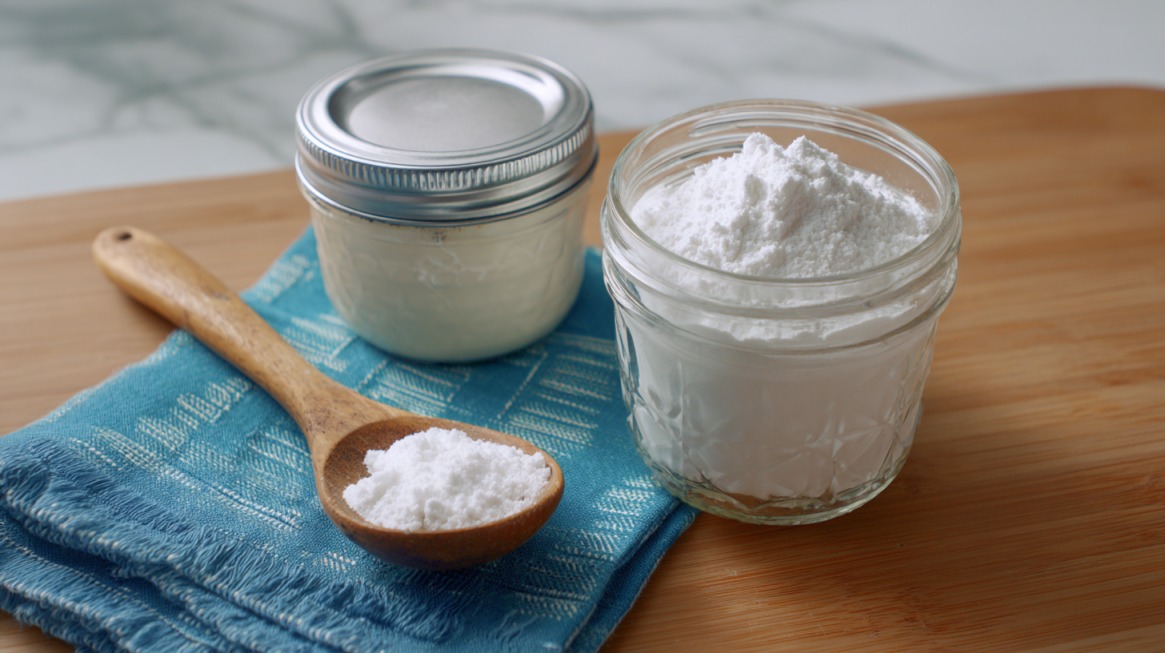
Cream of tartar acts as a dry acidic powder that activates baking soda during mixing and baking. Reaction between the acid and the base releases carbon dioxide gas.
Gas bubbles form throughout the batter and expand in the oven, allowing baked goods to rise and develop a soft structure.
Combination works very similarly to commercial baking powder. Baking powder already contains baking soda, an acidic ingredient, and a stabilizing agent. Mixing baking soda with cream of tartar recreates the same basic chemical reaction that produces lift in baked goods.
Batter begins producing gas as soon as the liquid ingredients combine with the mixture. Quick transfer of the batter into the oven helps maintain maximum rising power.
- ½ teaspoon cream of tartar
- ¼ teaspoon baking soda
Amount replaces 1 teaspoon of baking powder. Homemade mixtures do not include the cornstarch stabilizer found in commercial baking powder. Reaction may occur faster, so batter should enter the oven soon after mixing.
Best Used For:
- Cakes
- Cookies
- Muffins
- Biscuits
2. Baking Soda and Buttermilk
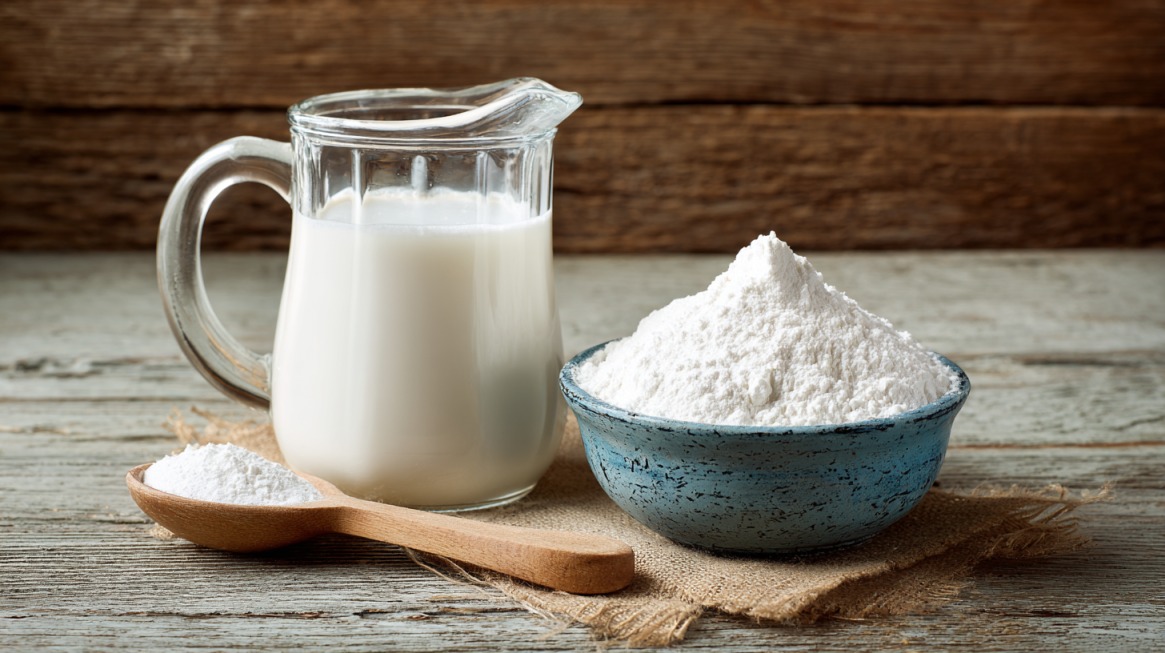
Buttermilk contains natural acidity created during the fermentation process. Lactic acid present in buttermilk reacts with baking soda once the ingredients combine in the batter.
Reaction releases carbon dioxide gas that expands during baking and creates a light texture.
Acidic dairy ingredients, such as buttermilk, provide both moisture and leavening support when paired with baking soda. Many traditional baked goods already include buttermilk because it improves tenderness and flavor while also assisting with rising.
Liquid content of buttermilk changes the moisture balance of the batter. Small reduction in other liquids helps maintain proper thickness and structure.
- ½ cup buttermilk
- ¼ teaspoon baking soda
Amount replaces 1 teaspoon of baking powder. Buttermilk adds liquid to the batter. Slight reduction of other liquid ingredients helps maintain proper consistency.
Best Used For
- Pancakes
- Biscuits
- Muffins
- Quick breads
3. Baking Soda and Yogurt
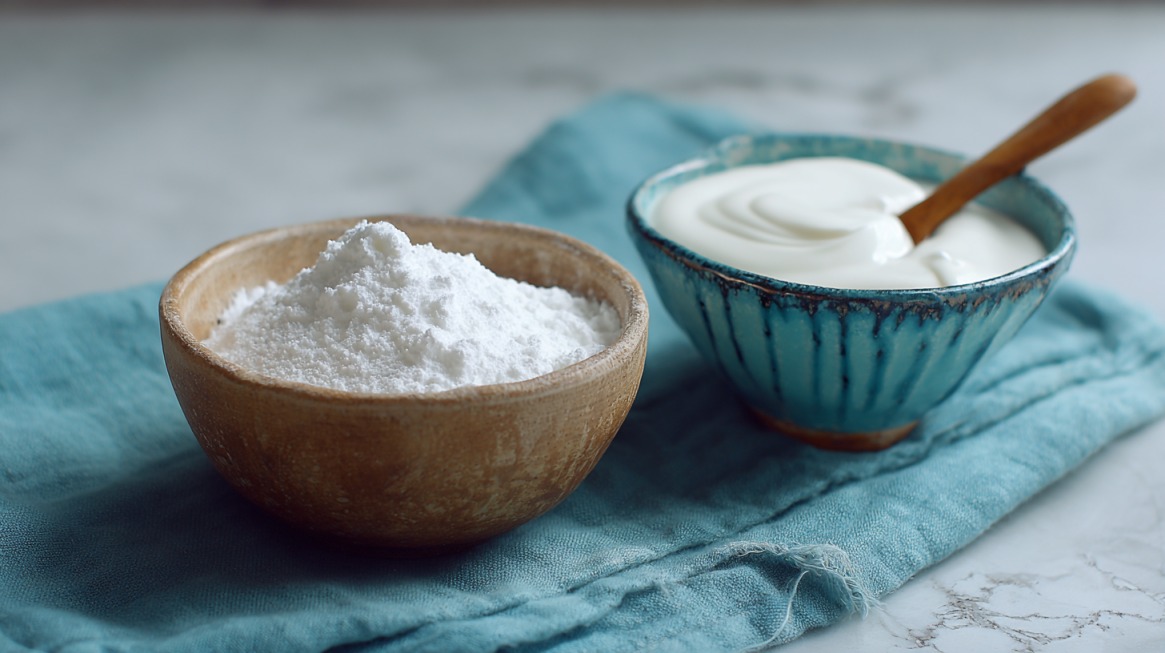
Yogurt contains lactic acid produced during the fermentation of milk. Acid activates baking soda once the ingredients mix together. Carbon dioxide gas forms during the reaction and produces bubbles that expand in the oven.
Lift created during baking helps cakes and muffins develop a soft interior texture. Yogurt also contributes moisture and slight tang, which can enhance the overall flavor of baked goods.
Plain yogurt works best for this substitution. Sweetened or flavored varieties may change sweetness levels and affect the flavor profile of the finished recipe.
- ¼ cup plain yogurt
- ¼ teaspoon baking soda
Amount replaces 1 teaspoon of baking powder.
Best Used For:
- Cakes
- Muffins
- Pancakes
- Quick breads
4. Baking Soda and Lemon Juice
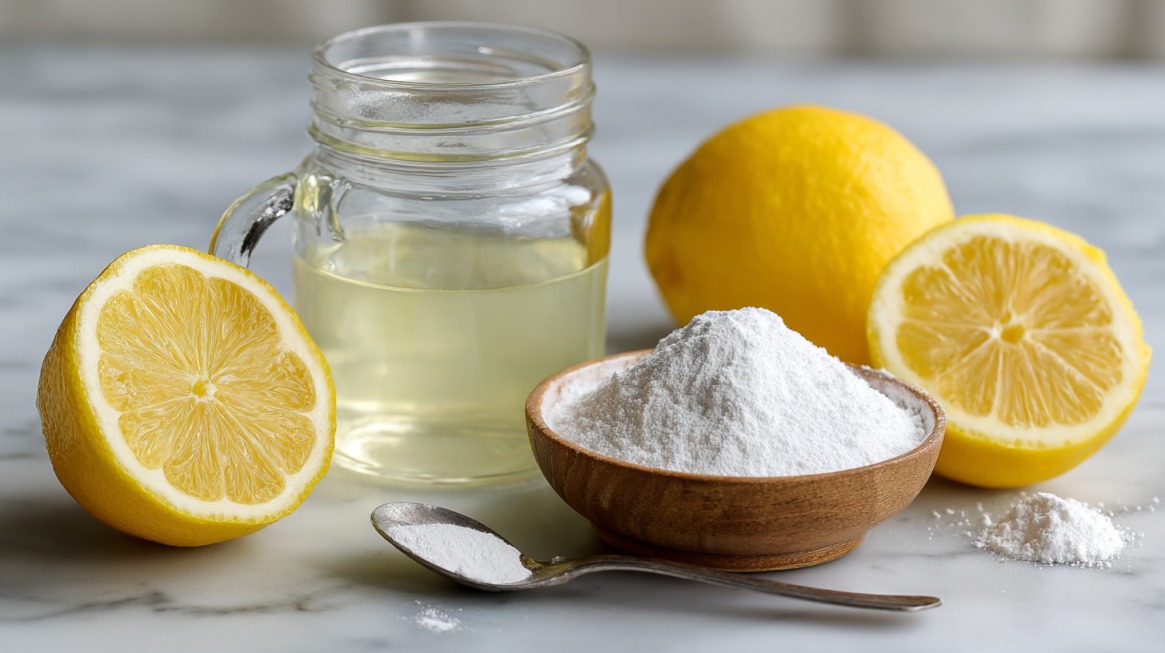
Lemon juice contains citric acid, which reacts quickly with baking soda. Reaction produces carbon dioxide gas that expands during baking and helps batter rise.
Strong acidity makes lemon juice effective for activating baking soda even in small quantities.
Gas bubbles produced during mixing expand under heat and create a lighter crumb structure in baked goods.
Flavor of lemon juice can become noticeable in delicate recipes. Citrus taste pairs well with many cakes, muffins, and pancakes that already contain fruit or mild citrus flavor.
- ½ teaspoon lemon juice
- ¼ teaspoon baking soda
Amount replaces 1 teaspoon of baking powder. Noticeable citrus flavor can appear in baked goods, so lemon juice works best in recipes that pair well with mild citrus notes.
Best Used For:
- Citrus cakes
- Muffins
- Pancakes
5. Baking Soda and Vinegar
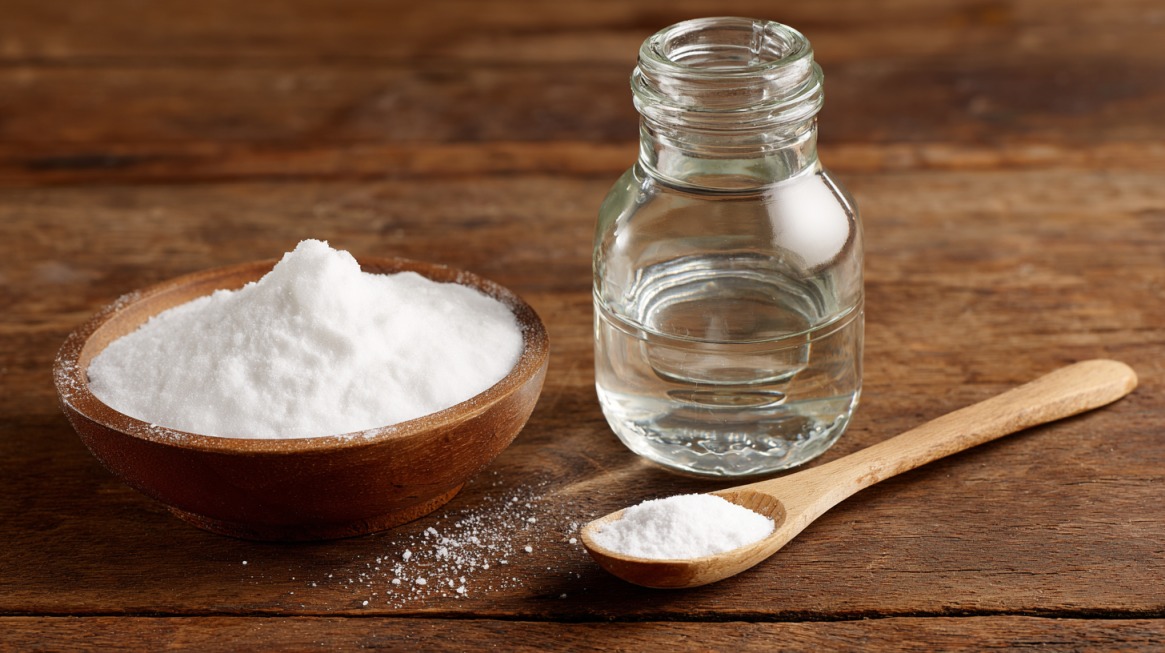
Vinegar contains acetic acid that reacts quickly with baking soda once liquid ingredients combine.
A chemical reaction produces carbon dioxide gas that creates bubbles in batter or dough.
Gas expands in the oven and provides lift that helps baked goods develop a lighter texture. Reaction occurs rapidly, so the batter should move into the oven soon after mixing.
White vinegar and apple cider vinegar usually work best in baking. Both varieties create the needed acidity while leaving very little flavor after baking.
- ½ teaspoon vinegar
- ¼ teaspoon baking soda
Amount replaces 1 teaspoon of baking powder.
Best Used For:
- Cakes
- Quick breads
- Pancakes
6. Self-Rising Flour
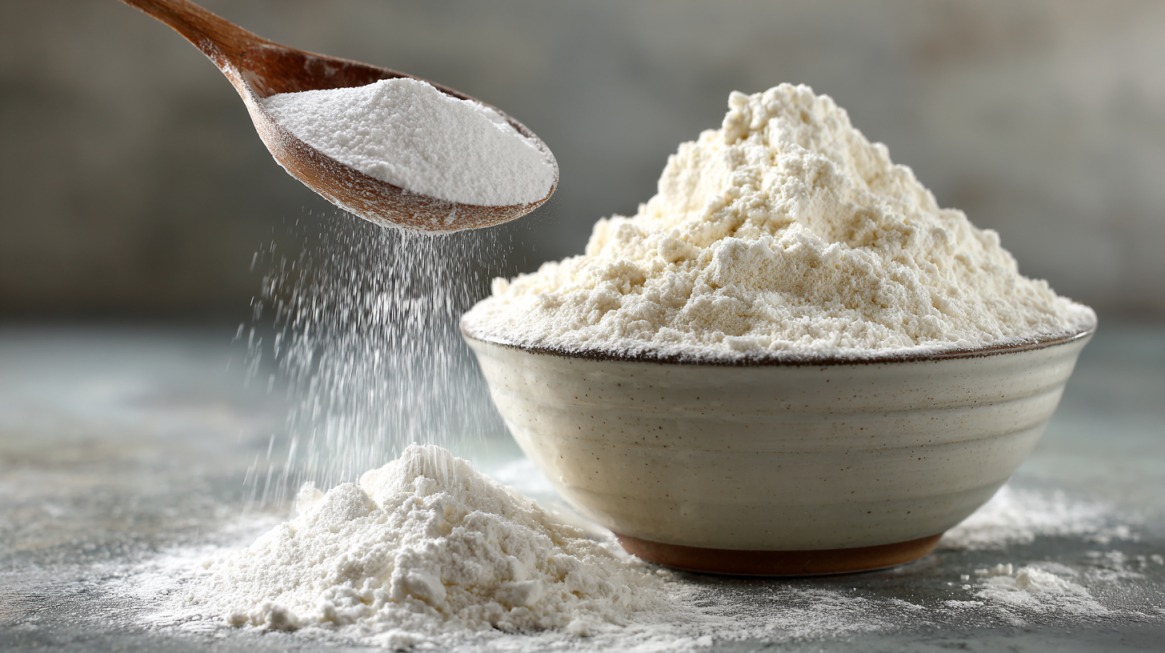
Self-rising flour contains all-purpose flour mixed with baking powder and salt. Pre-mixed combination allows bakers to skip measuring separate leavening ingredients.
Use of self-rising flour simplifies many recipes and helps maintain consistent results.
A proper balance of flour, salt, and baking powder already exists inside the mixture.
Replacement requires adjustment of other ingredients listed in the recipe. Baking powder and salt must be removed to prevent excessive leavening or saltiness.
- Replace all-purpose flour in the recipe with self-rising flour.
- Remove baking powder and salt listed in the ingredient list.
- Self-rising flour became popular because it simplifies baking and reduces the number of ingredients required.
Best Used For:
- Biscuits
- Muffins
- Pancakes
- Quick breads
7. Whipped Egg Whites
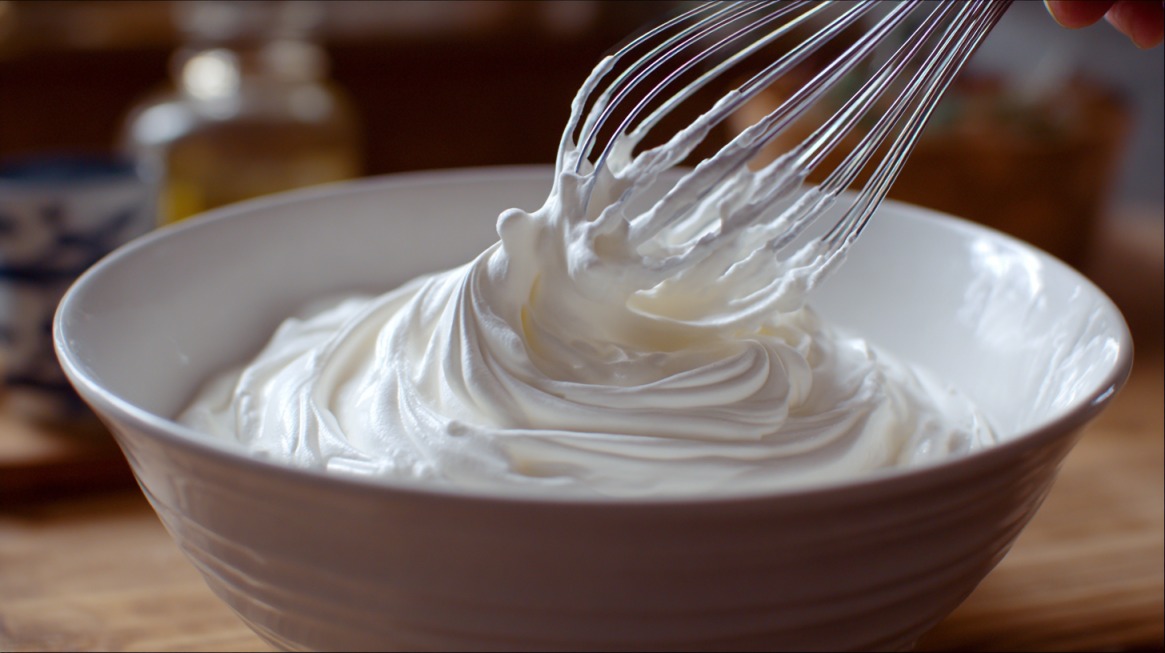
Egg whites create lift through mechanical leavening rather than chemical reactions. Whipping egg whites traps air inside a foam structure made of proteins and moisture.
Air bubbles expand when exposed to heat in the oven. Expansion increases the volume of the batter and helps baked goods rise without chemical leavening agents.
Whipping continues until egg whites reach soft peaks or stiff peaks. The stage depends on the recipe being prepared. Gentle folding into the batter preserves trapped air and prevents collapse.
Careful mixing remains important because excessive stirring can remove air bubbles that produce lift.
- Sponge cakes
- Soufflés
- Pancakes
- Light cakes
Summary
Baking powder plays an important role in baking because it creates the gas that allows batter and dough to rise. Basic formula includes baking soda combined with an acidic ingredient.
Similar reactions can occur using ingredients commonly found in kitchens. Buttermilk, yogurt, lemon juice, vinegar, and cream of tartar provide the acidity needed to activate baking soda and produce carbon dioxide gas.
Correct ratios and proper mixing methods allow these alternatives to create light and fluffy baked goods even when baking powder is not available.
Read more: Let’s take a look at some aperol alternatives that might be needed in crucial situations, you never know!