
Cornmeal is ground dried corn kernels milled into coarse, medium, or fine textures.
It is a pantry staple used in cornbread, polenta, tortillas, cornmeal porridge, and even traditional cornmeal mush. Many home cooks also rely on it in countless cornmeal recipes that call for its slightly sweet flavor and hearty texture.
Like other ground grain products, cornmeal can go bad over time. Natural oils found in the grain slowly oxidize, leading to rancidity.
Oxidation affects flavor first, then aroma, and eventually overall quality.
While spoiled cornmeal may not always cause immediate illness, it can ruin the taste and texture of food. Freshness plays a major role in how baked goods rise and how cooked dishes turn out.
Sign #1 – Off or Rancid Smell

Fresh cornmeal has a mild, slightly sweet corn aroma. Scent should be clean and neutral, with no sharpness or heaviness. Natural oils in the corn slowly break down over time, and once oxidation begins, smell changes become noticeable.
Whole-grain cornmeal turns rancid faster because the germ contains more oil. More oil means more potential for oxidation, especially if stored at room temperature for long periods. Heat and light speed up this process even more.
Opening the container and taking a quick sniff is often the fastest way to judge quality. If the aroma seems unpleasant or noticeably different from expected, discarding the product is the safest option.
Using rancid cornmeal in cornmeal recipes can negatively affect flavor long before any visual signs appear.
Sign #2 – Visible Mold Growth
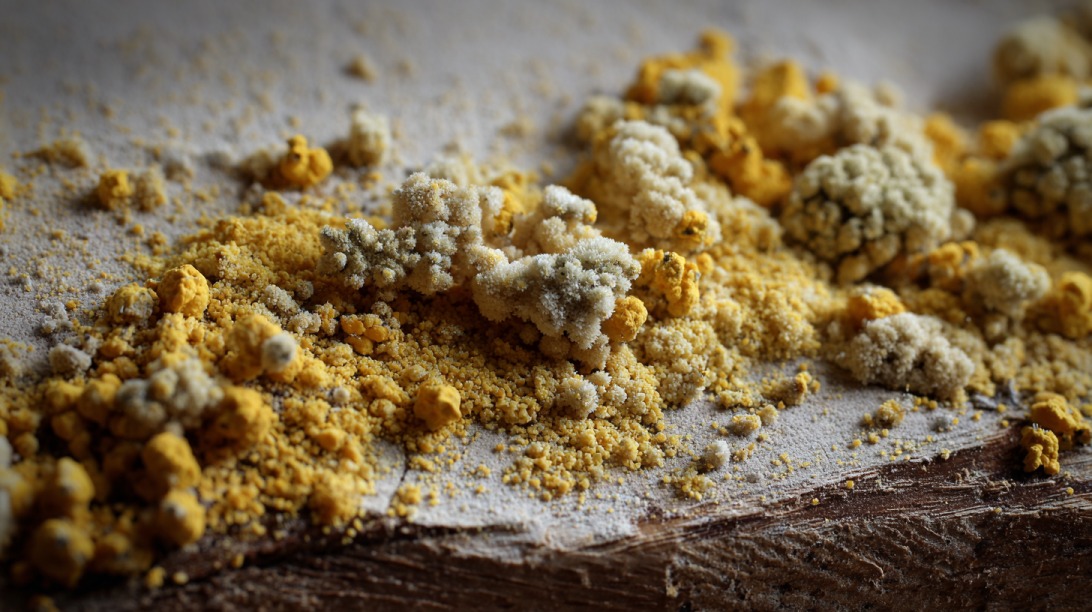
Cornmeal should appear dry, powdery, and free-flowing. Any fuzzy growth in green, black, or white indicates mold and clear spoilage.
Mold usually develops after moisture enters the package or when storage conditions are humid.
- Storing it in a damp pantry
- Leaving the bag loosely sealed
- Scooping with wet utensils
- Condensation is forming inside the container
Mold does not stay limited to one visible spot. Spores can spread throughout the product even if only a small patch is obvious. Consuming moldy grain products carries health risks, especially for individuals with allergies or weakened immune systems.
Cutting away affected portions does not make the remaining cornmeal safe. Any visible mold means the entire container should be thrown out.
Sign #3 – Insect or Pest Infestation
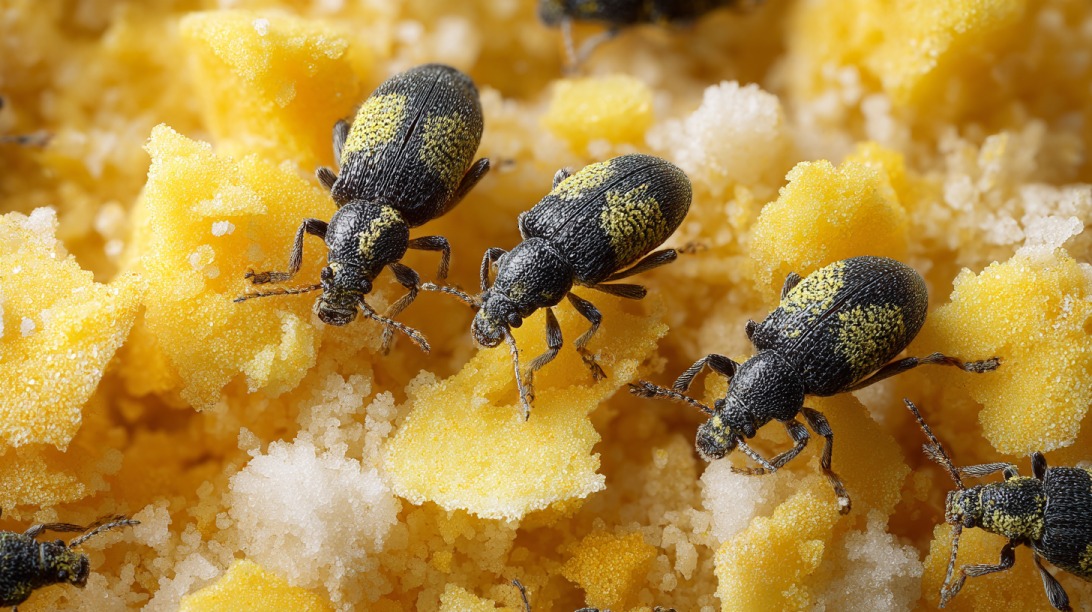
Pantry pests such as weevils and small beetles are naturally attracted to grains.
Eggs may already be present in packaged grains and hatch later under warm conditions. Finding live bugs, larvae, shed skins, or webbing inside the package signals contamination.
- Small moving insects in the meal
- Fine web like strands
- Tiny holes in packaging
- Clumped areas caused by insect activity
Damaged or loosely sealed packaging makes entry easier for pests. Infested cornmeal should not be salvaged. Even if visible insects are removed, contamination remains. For safe storage, transfer it to airtight containers immediately after opening. Cooler temperatures further reduce the chance of infestation.
Sign #4 – Clumping or Moisture Changes
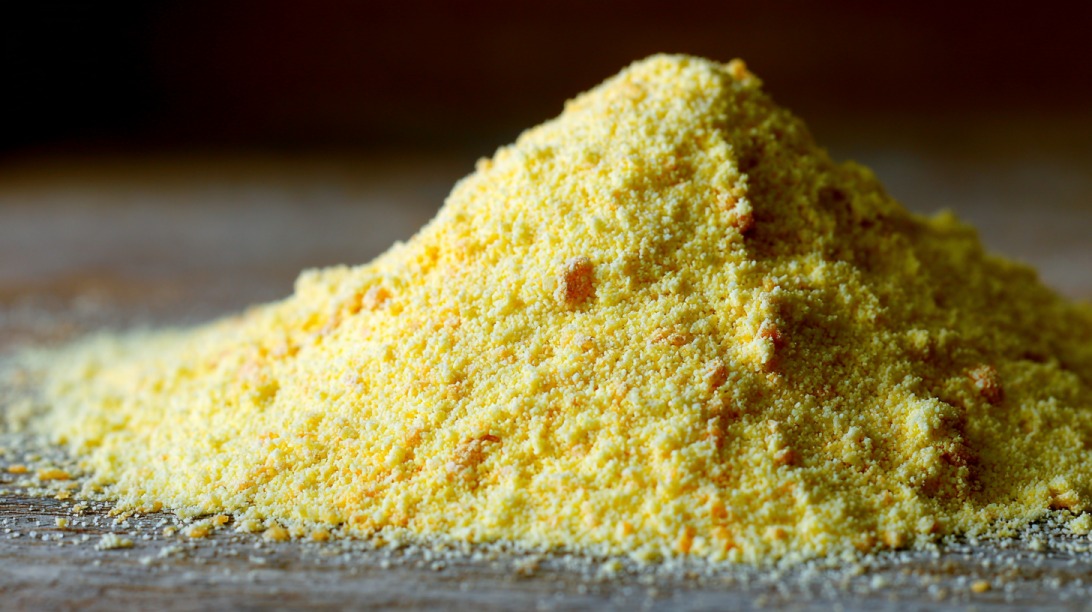
Properly stored cornmeal feels dry and flows easily through your fingers. Texture should be loose and consistent. Clumps, hardened sections, or a damp feel suggest that moisture has entered the container.
Humidity speeds up spoilage and encourages microbial growth. Even without visible mold, damp cornmeal is at a higher risk for contamination.
Cooking performance also changes. Cornmeal mush prepared with damp meal may turn gummy instead of smooth.
Baked goods can develop uneven texture or dense spots. Any noticeable dampness or clumping indicates declining quality.
Sign #5 – Discoloration or Unusual Color Changes
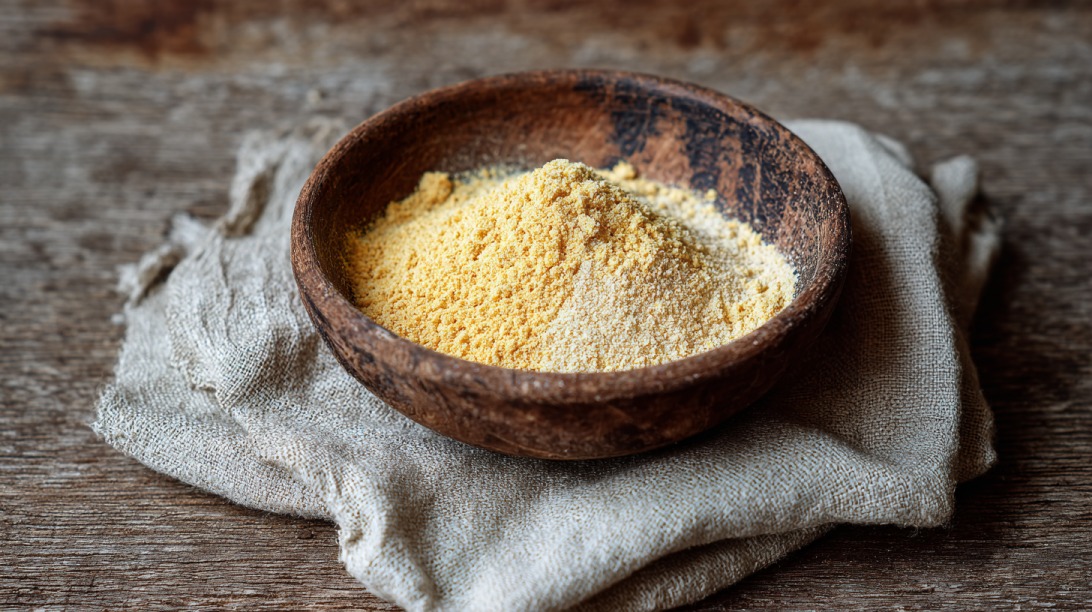
Color varies depending on the type of corn used. Yellow, white, and blue cornmeal each have natural shades linked to the variety. Tone should look even throughout the package.
- Darkened or dull overall color
- Grayish or brown patches
- Uneven streaks that were not present before
- Spots that look different than natural germ specks
Small specks in whole-grain cornmeal often come from the germ and are normal. Those specks tend to be evenly distributed and consistent in appearance. Large dark spots or unexpected color shifts point to oxidation or early spoilage. Comparing older cornmeal to a freshly opened package can make changes easier to notice.
Sign #6 – Off or Bitter Taste
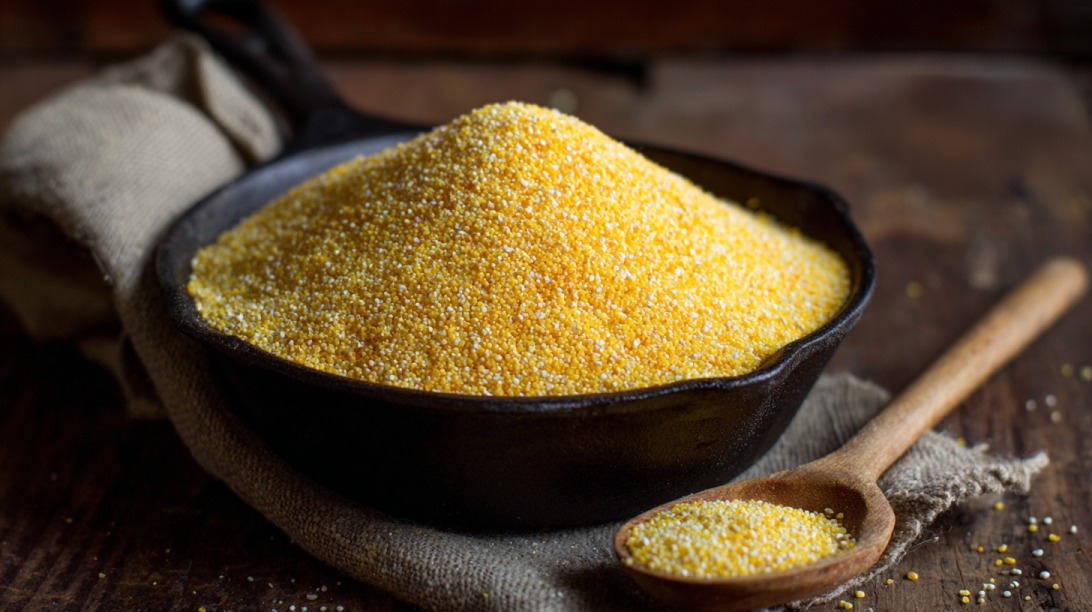
Tasting should only happen after checking smell and appearance. Sampling a tiny pinch can confirm freshness. Flavor should be mild, slightly sweet, and clean.
Oxidized fats are responsible for these changes. Even small amounts of rancidity can alter the outcome of cornmeal recipes.
Cornbread may taste dull, and cornmeal porridge can carry an unpleasant lingering bitterness. Once taste is compromised, quality cannot be restored. Replacing the product is the best option.
Sign #7 – Loss of Freshness and Expired Quality
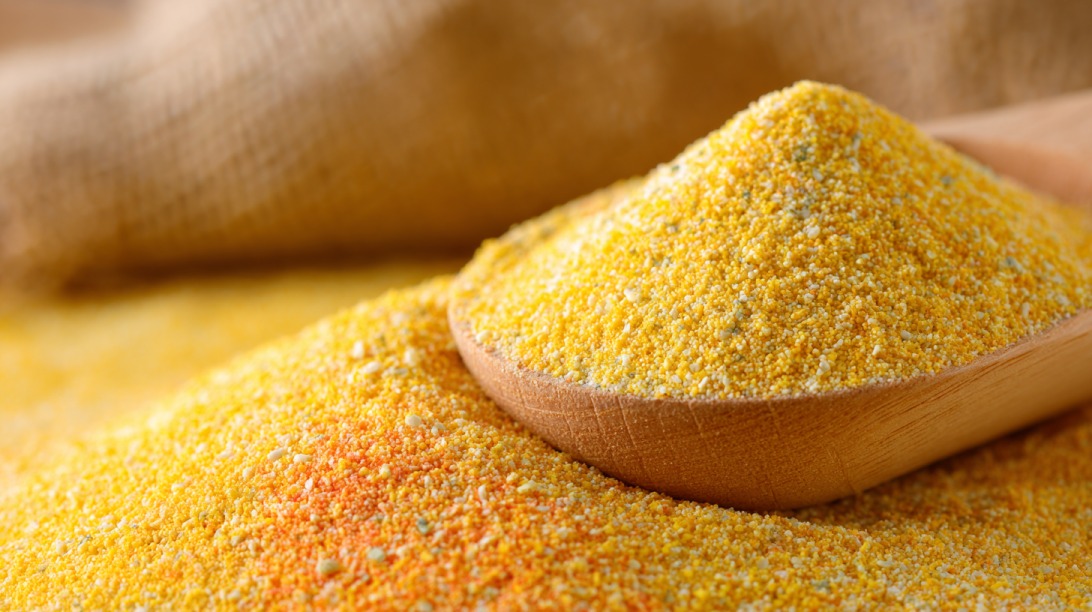
Best-by dates indicate peak quality rather than a strict safety deadline. Sometimes it does not instantly become unsafe once that date passes. A gradual decline in aroma, flavor, and texture happens over time.
Using older cornmeal might not cause illness, but it can reduce the quality of dishes like cornmeal mush or baked goods. Texture may feel less vibrant, and flavor may seem muted.
When freshness matters, and no good option is available, a suitable cornmeal substitute can work in certain recipes. Texture and flavor may differ slightly, so adjustments in liquid or cooking time might be necessary.
Bonus: How Cornmeal Differs From Flour in Spoilage
Low moisture content makes both flour and cornmeal relatively shelf-stable when stored correctly. Dry grains do not easily support bacterial growth on their own. Safety concerns usually begin after outside factors interfere with storage conditions.
- Moisture entering the container
- Exposure to heat or direct light
- Air circulation that speeds up oxidation
- Pest contamination
In many situations, flavor and aroma decline before the product becomes unsafe to eat. Off smells, stale taste, or texture changes typically show up first. That is why quality loss is often the main concern during normal pantry storage.
Fat content plays a major role in how quickly spoilage happens. Refined white flour has much of the bran and germ removed, which lowers its oil content and extends shelf life. Whole wheat flour contains more natural oils and tends to turn rancid faster. A similar pattern applies to cornmeal.
View this post on Instagram
- Degerminated cornmeal contains less oil and lasts longer
- Whole grain cornmeal retains the germ and spoils more quickly
- Stone ground varieties often keep more of the natural oils
Oxidation of fats leads to rancid smells and bitter taste in both flour and cornmeal. Heat speeds up this chemical reaction, so storing either product in a warm kitchen shortens usable life. Refrigeration or freezing slows oxidation and can significantly extend freshness, especially for whole grain options.
Texture differences also matter. Cornmeal is coarser than most flours, so clumping caused by moisture may be easier to spot.
Flour may show spoilage through odor before visual changes appear. In both cases, careful storage in airtight containers and cool, dry environments helps preserve flavor and performance in recipes.
Also Read: Try out my recipe for the Protein Waffles with simple ingredients for a quick, healthy, and tasty breakfast!
The Bottom Line
Key signs of spoiled cornmeal include off smells, visible mold, pest activity, clumping, discoloration, bitter taste, and overall loss of freshness. Checking aroma, appearance, and texture before use can prevent disappointing results.
Storing cornmeal in a cool, dry place inside an airtight container helps maintain quality. Refrigeration or freezing can extend shelf life, especially for whole grain varieties.
Using cornmeal past its prime may not always pose a serious risk, but flavor and texture in cornmeal recipes can suffer noticeably.