
A hard-boiled egg looks simple, but storage mistakes can turn a useful high-protein food into a risky leftover faster than many people expect.
Official food safety guidance is clear on the big point: hard-cooked eggs should be refrigerated within 2 hours of cooking and used within 1 week, whether they are still in the shell or already peeled.
For meal prep, lunchboxes, holiday gatherings, and quick breakfasts, that 1-week window matters.
Plenty of people assume a cooked egg lasts as long as a raw one, but the USDA notes that hard-cooked eggs spoil faster than fresh eggs because boiling removes the shell’s natural protective coating and can leave the shell more vulnerable to bacteria and moisture loss.
The Short Answer
Hard-boiled eggs last up to 7 days in the refrigerator. That applies to:
- Unpeeled hard-boiled eggs
- Peeled hard-boiled eggs
- Homemade batches for meal prep
- Leftover eggs from a packed lunch, only if they were kept cold the whole time
Once a hard-boiled egg sits at room temperature for more than 2 hours, food safety guidance says it should be discarded. In hot conditions above 90°F, that limit drops to 1 hour.
Why the 7-Day Rule Matters
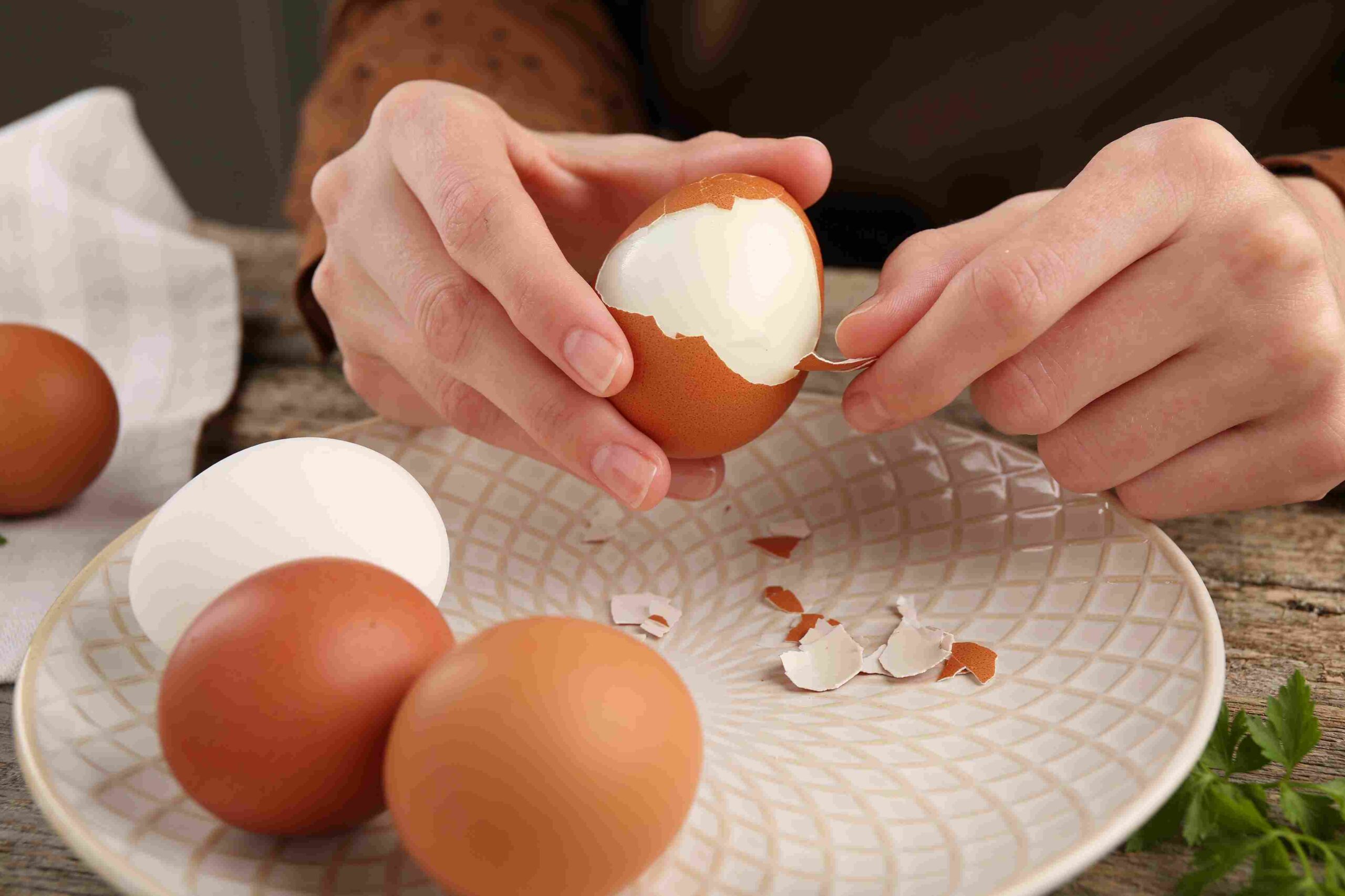
Raw shell eggs usually keep far longer in the refrigerator than hard-cooked eggs. USDA says raw eggs in the shell can last 3 to 5 weeks in the fridge, while hard-cooked eggs should be eaten within 1 week.
A few reasons explain the shorter lifespan:
The Protective Coating Changes
Fresh eggs have a natural coating on the shell that helps slow bacterial entry and moisture loss. Cooking, washing, and handling can reduce that protection. USDA specifically notes that hard-cooked eggs spoil faster for that reason.
Moisture and Odor Move Faster After Cooking
A cooked egg can pick up refrigerator odors more easily and lose quality faster, especially once peeled.
Safety and quality are not always the same thing, but both start slipping after several days. FDA keeps the guidance simple: use hard-cooked eggs within 1 week.
Bacteria Grow Fast in the Danger Zone
The FDA and CDC both warn that perishable foods left between 40°F and 140°F for too long can become unsafe because bacteria grow quickly at warm temperatures. Eggs are part of that rule.
Refrigerated Storage Times at a Glance
| Egg Type | Refrigerator Time |
| Raw eggs in shell | 3 to 5 weeks |
| Hard-boiled eggs, unpeeled | Up to 1 week |
| Hard-boiled eggs, peeled | Up to 1 week |
| Egg salad | 3 to 5 days |
USDA and FDA align on the 1-week limit for hard-cooked eggs. FDA storage charts also place egg salad in a shorter 3 to 5 day range, which matters if boiled eggs have already been chopped and mixed with mayo or other ingredients.
Does the Shell Help Eggs Last Longer?
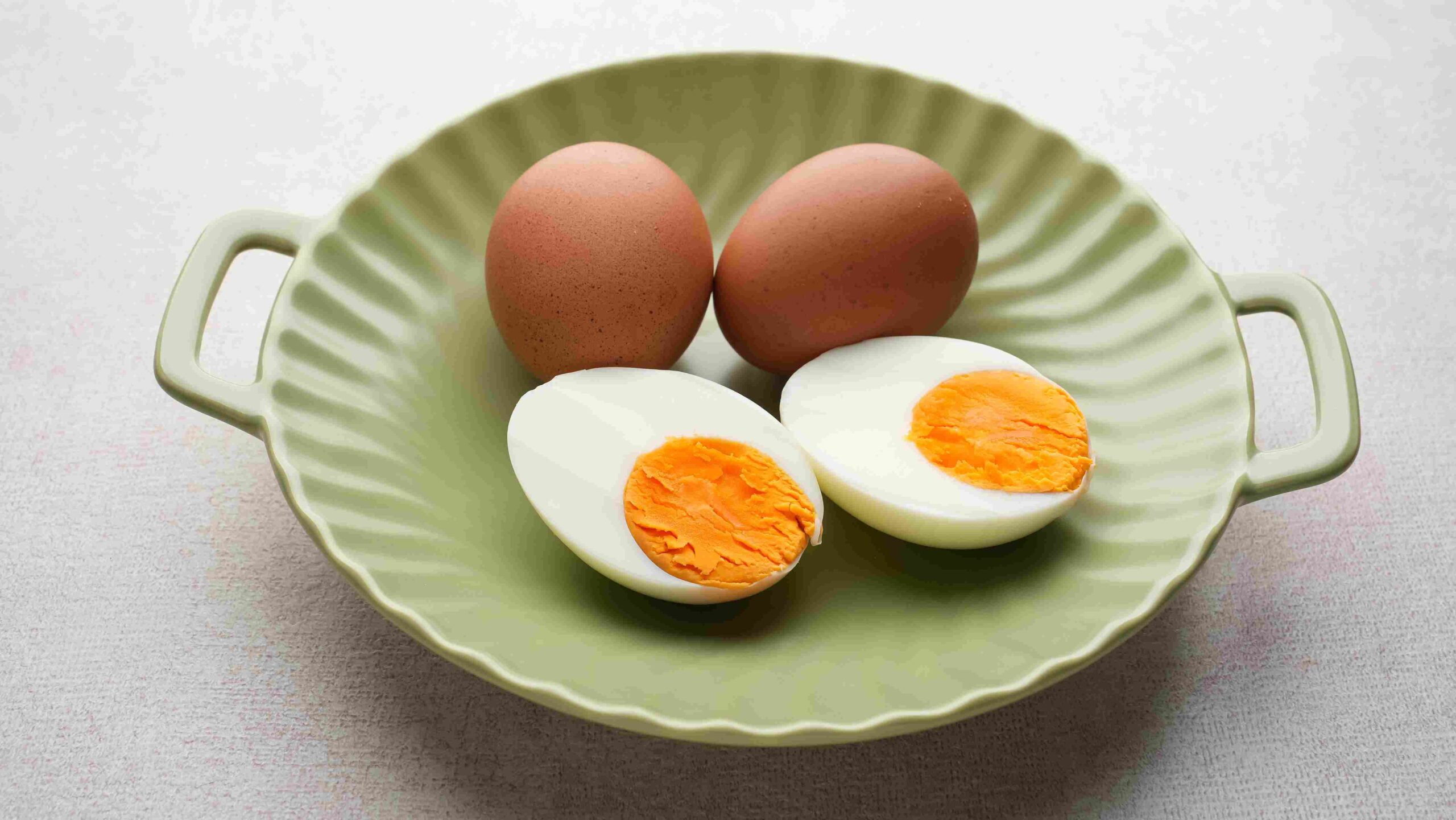
Yes, at least a little in practical terms.
An unpeeled hard-boiled egg usually holds quality better than a peeled one because the shell still gives some protection from air, moisture loss, and refrigerator odors.
Safety guidance still sets the same upper limit of 1 week for both. Either version can be stored in the refrigerator up to 7 days.
For anyone cooking a batch on Sunday for weekday breakfasts, leaving shells on until the day you plan to eat the eggs is usually the smarter move.
How to Store Hard-Boiled Eggs the Right Way
Good storage starts as soon as cooking ends.
Cool and Refrigerate Promptly
Hard-cooked eggs should be refrigerated within 2 hours of cooking.
Use a Clean Container
A covered container works well, especially for peeled eggs. If eggs are peeled, keeping a damp paper towel in the container can help limit drying, though the towel should be clean and changed if it becomes slimy or develops odor.
That part is a practical kitchen tip rather than a formal federal rule, but the bigger priority is cold storage and clean handling.
Keep the Fridge Cold Enough
Eggs should be stored promptly in a clean refrigerator at 40°F or below. A refrigerator thermometer helps if your fridge runs warm or gets opened often.
Label the Date
A simple date note prevents guesswork. For meal prep, write the boil date on the container. Day 7 should be the cutoff.
Peeled vs. Unpeeled Eggs
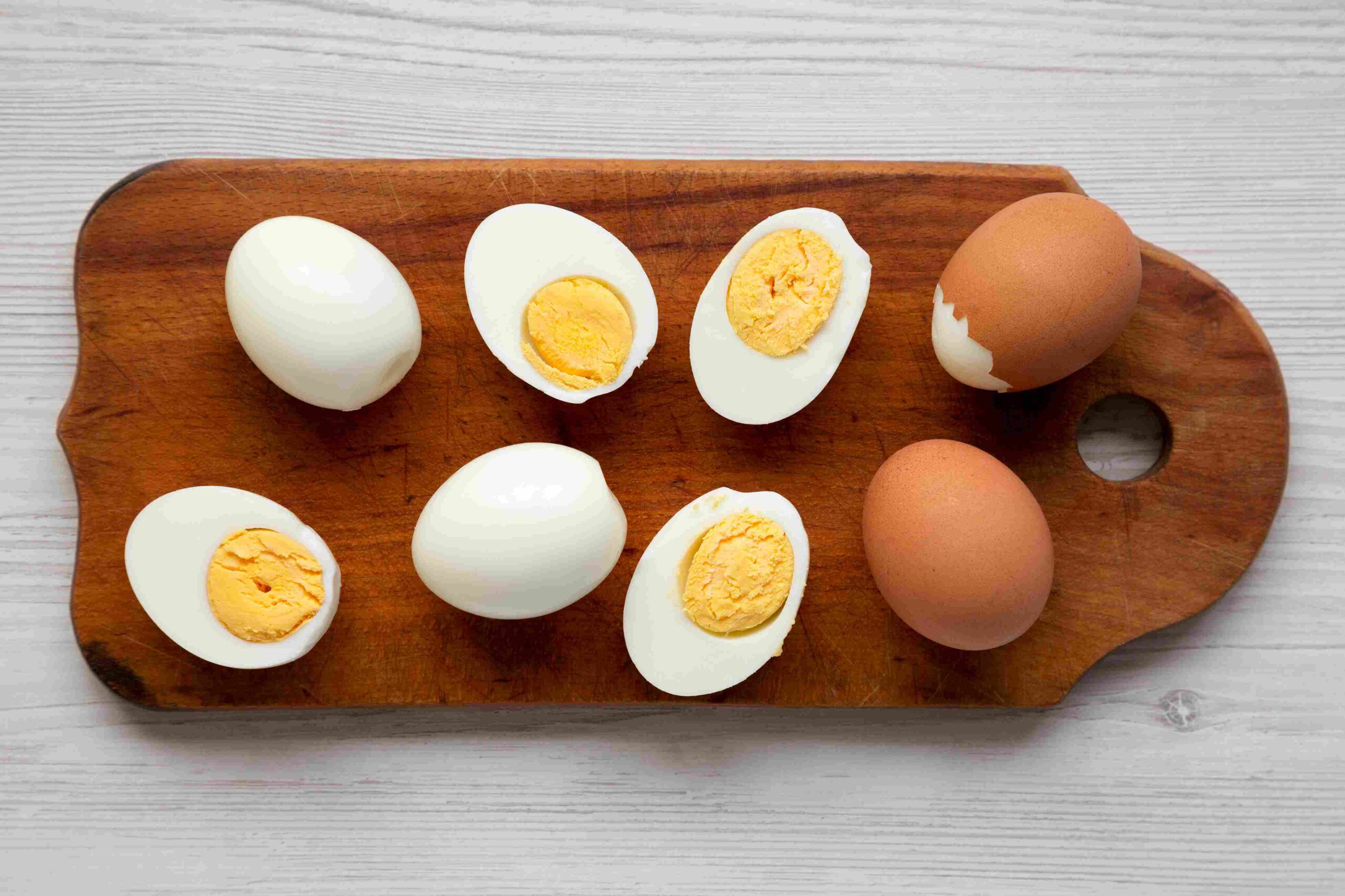
A lot of people ask whether peeling changes the safety window. Official guidance says no, both peeled and unpeeled hard-cooked eggs should be used within 1 week.
Still, peeled eggs tend to lose quality sooner.
- Rubbery texture
- Dry outer surface
- Strong refrigerator odor
- Easier cross-contact from handling
For packed lunches or grab-and-go snacks, peeling right before eating often gives a better result.
Can You Freeze Hard-Boiled Eggs?
Freezing a whole hard-boiled egg is usually a bad idea for texture. Hard-cooked whole eggs should not be frozen.
The white turns tough and watery after thawing, which makes the result unpleasant even when safety is not the main issue.
People sometimes freeze cooked yolks for later use in fillings or toppings, but for ordinary home cooking, refrigeration and quick use work better.
Signs a Hard-Boiled Egg Has Gone Bad
@dr.norellahcancook 😩Rotten eggs aren’t just unpleasant🤢—they’re dangerous. Eating one can expose you to Salmonella, a bacteria that causes serious food poisoning with symptoms like nausea, vomiting, diarrhea, and fever. ‼️❌ Even when cooked, toxins from spoiled eggs can linger, so it’s important to check before using them. ‼️Here’s how to spot a bad egg:🥚 • Smell test: A fresh egg has no odor. A sulfur-like or rotten smell is a clear red flag—discard it immediately. • Float test: Place the egg in a bowl of water. Fresh eggs sink and lay flat; rotten ones float because of gas build-up inside. • Check the shell: Avoid eggs with cracks, slimy texture, or powdery mold—these may harbor bacteria. • Inspect the contents: When cracked open, a fresh egg has a firm yolk and thick white. A bad one looks watery, cloudy, or discolored. Always store eggs in a cool, dry place (ideally the fridge) and use them within the recommended date. When in doubt, throw it out—your health is worth more than one egg. 🥚🚫 Hope this helps 😊😊 #fypシ゚ #ghanatiktok🇬🇭 #egg #foodeducation ♬ original sound – Norellah Andrea
A spoiled egg does not always give dramatic warning signs, which is one reason the date matters more than a sniff test alone. Still, a few clues can tell you an egg should be discarded:
1. Sour or Sulfurous Odor Beyond the Normal Egg Smell
A cooked egg can have a noticeable smell, especially when first peeled. A sharp rotten odor is different and should not be ignored.
2. Slimy Surface
A slimy or sticky texture often points to bacterial growth or breakdown.
3. Chalky, Dry, or Unusually Rubbery Texture
Quality problems are not always a safety emergency, but an egg that looks dried out, feels strange, and is already near the 7-day mark belongs in the trash.
4. Storage History You Cannot Confirm
An egg left in a bag, car, lunchbox, or on a buffet table for hours should be discarded. FDA says cooked eggs should not stay out more than 2 hours, or more than 1 hour above 90°F.
Are Hard-Boiled Eggs Safe for Meal Prep?
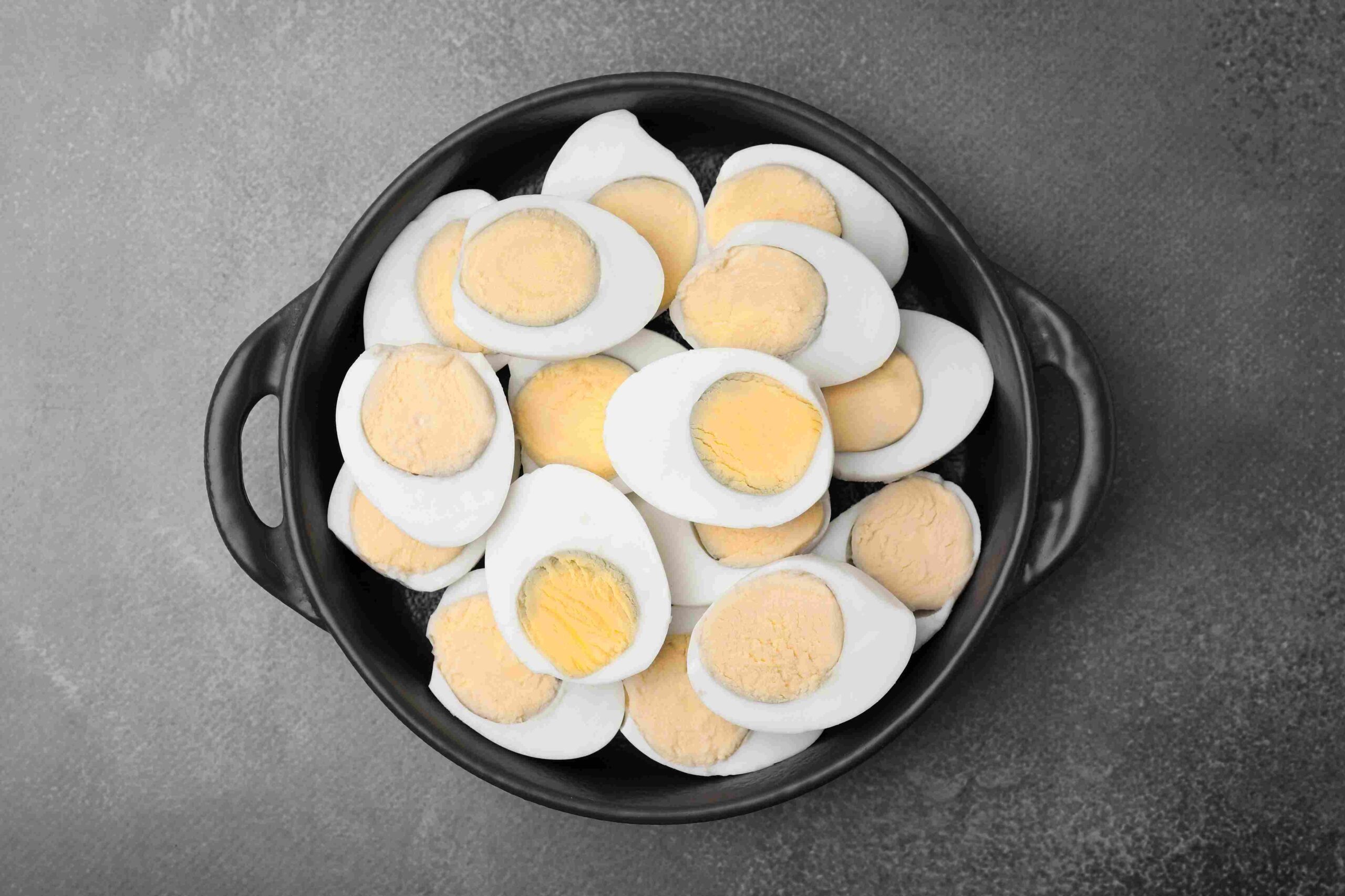
Yes, if meal prep stays inside the food safety rules.
Hard-boiled eggs are one of the easier proteins to prep ahead because they are portable, filling, and easy to portion.
- Boil a batch
- Cool and refrigerate within 2 hours
- Keep shells on when possible
- Mark the date
- Eat by day 7
For chopped eggs, deviled eggs, or egg salad, the safe window gets tighter once more ingredients and more handling enter the picture. FDA lists homemade egg salad in the 3 to 5 day range.
Special Situations People Often Get Wrong
1. Eggs for Easter or Party Decor
Hard-boiled eggs used for hiding, games, or prolonged display should not be eaten afterward. Once shells pick up dirt, hands, grass, or outdoor bacteria, risk rises fast.
2. Eggs Packed for Work or School
A hard-boiled egg in a lunch bag needs cold packs if it will sit for hours. “Cooked” does not mean “shelf-stable.” Room-temperature lunch periods count toward the 2-hour rule.
3. Deviled Eggs at Gatherings
Deviled eggs sit in a higher-risk category because they are peeled, cut, mixed, and handled more. Mayo-based fillings also do better when kept chilled. For buffets, serving on ice is the safer move.
Best Practices for Safer Eggs
CDC advises choosing eggs cooked until yolks and whites are firm. That guidance matters most for people at higher risk of severe foodborne illness, including older adults, young children, pregnant women, and people with weakened immune systems.
- Cook eggs until firm
- Refrigerate quickly
- Keep fridge temperature at 40°F or below
- Use within 7 days
- Toss any egg left out too long
None of that is complicated, but small lapses add up fast in home kitchens.
FAQs
Summary
Hard-boiled eggs last up to 1 week in the refrigerator, whether peeled or unpeeled, as long as they were chilled within 2 hours of cooking.
Past that point, quality drops and food safety risk rises enough that keeping them longer is not worth it. When in doubt, go by the date, not by hope.