
Coquito is a traditional Puerto Rican holiday drink known for a creamy coconut base, warm spices, and rum. Sweet coconut flavor combined with dairy and spices creates a thick, smooth texture that many people associate with festive gatherings.
The name “coquito” translates to “little coconut” in Spanish, a reference to its coconut-forward taste. Coconut milk and cream create the drink’s signature character, supported by spices like cinnamon and nutmeg.
Home cooks often bottle coquito so it can be shared with friends or stored during the holiday period. Storage raises a practical question.
Questions about freshness appear often because recipes vary. Some versions stay good for weeks, while others spoil more quickly depending on ingredients and storage.
The Typical Shelf Life of Coquito
Coquito can last anywhere between a few days and several months, depending on ingredients, alcohol content, and storage practices. Alcohol-based versions stored in sealed containers inside a refrigerator often remain safe for several weeks and sometimes much longer.
Many families prepare coquito in large batches during the holiday season. Bottled portions may remain in refrigeration for days or weeks before serving.
Knowing how long each version lasts helps prevent spoilage and ensures the drink keeps its smooth texture and balanced flavor.
Refrigerator Storage
Traditional coquito kept in sterilized bottles inside a refrigerator can remain good for up to about eight weeks. Many home cooks suggest drinking it sooner for the best flavor.
Fresh taste usually lasts about five to seven days, depending on ingredient quality and preparation.
Proper sealing and cold storage reduce spoilage risk. Air exposure or warm temperatures increase the chance of bacterial growth.
Alcohol vs. Non-Alcoholic Versions
Rum helps preserve coquito. Alcohol slows bacterial growth and extends storage time.
Alcohol-based coquito can last significantly longer than versions without rum. Some recipes claim storage up to a year in a refrigerator when the alcohol content is high, and bottles remain sealed.
Virgin coquito does not contain alcohol, so spoilage happens more quickly. Most alcohol-free recipes recommend drinking it within seven to ten days.
@coquito.loversNON ALCHOLIC COQUITO. Shelf life may vary and adding your own spirits can help extend expiration date-please drink responsibly-♬ original sound – Coquito Lovers
Egg-Based Versions
Egg-based coquito requires faster consumption. Eggs increase spoilage risk and reduce storage time.
Egg recipes usually remain safe for only a few days, especially if eggs are not cooked during preparation. Refrigeration is essential.
What Is Coquito? (And Why Shelf Life Matters)
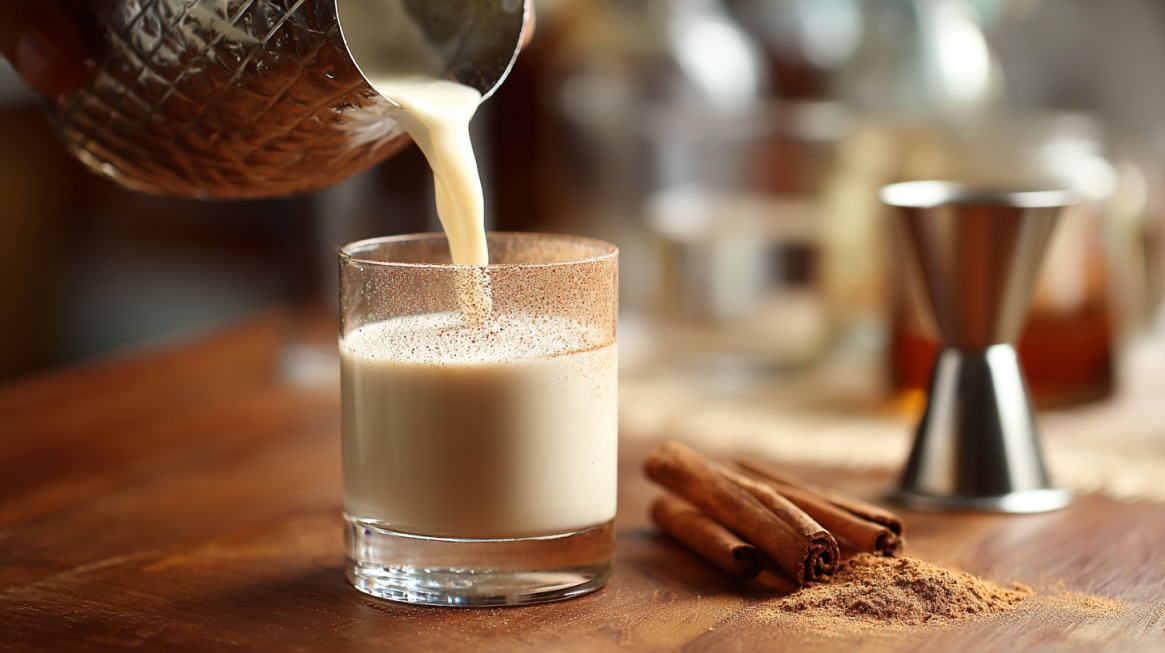
Classic coquito recipes combine coconut ingredients, dairy products, alcohol, and spices to create a creamy holiday cocktail.
- Coconut milk
- Coconut cream or cream of coconut
- Evaporated milk
- Sweetened condensed milk
- Rum such as white, gold, or spiced varieties
- Vanilla extract
- Cinnamon and nutmeg
Spice tea sometimes appears in traditional preparation. Spices steep in hot water before mixing with other ingredients. Infusion adds flavor while keeping the drink smooth.
Typical spice tea ingredients include:
- Cinnamon sticks
- Star anise
- Whole cloves
- Vanilla bean
- Allspice berries
Spice infusion provides warmth and depth without leaving gritty spice particles inside the drink.
View this post on Instagram
Variations That Affect Shelf Life
Family recipes differ across Puerto Rico and among Puerto Rican communities in other regions. Ingredient choices influence how long coquito remains safe to drink.
Egg-based recipes exist in some households. Eggs produce a thicker texture but shorten storage time.
Alcohol-free versions replace rum with coconut milk or coconut water. Virgin coquito is popular for children or guests who avoid alcohol.
Dairy-free or vegan recipes use coconut condensed milk or other plant-based substitutes instead of evaporated milk and sweetened condensed milk.
Key Factors That Affect Coquito Freshness

Several elements influence how long coquito remains safe and enjoyable to drink. Ingredient selection, alcohol content, and storage practices all contribute to the drink’s stability.
Careful preparation using clean containers and fresh ingredients greatly improves shelf life. Improper handling or warm storage conditions can quickly lead to spoilage.
Ingredients Used
Ingredient choices strongly affect shelf life.
Fresh coconut milk produces a smoother texture and vibrant coconut flavor. Fresh products tend to spoil faster compared with canned coconut milk because preservatives are not present.
Dairy ingredients such as evaporated milk and sweetened condensed milk create the coquito’s creamy body and sweetness. Dairy products also make the drink perishable.
High sugar content in condensed milk can help slow bacterial activity slightly, yet refrigeration remains necessary because dairy can spoil if stored improperly.
Ingredient freshness at the time of preparation also matters. Expired or nearly expired dairy products shorten storage life.
Alcohol Content
Rum acts as a natural preservative inside coquito. Alcohol reduces bacterial growth and helps maintain the drink for longer periods.
Higher rum content increases preservation effects. Some traditional recipes combine several rum varieties to create a deeper flavor.
White rum provides a clean alcohol flavor. Gold rum adds mild caramel notes. Spiced rum introduces cinnamon, vanilla, and clove aromas.
A combination of rum types can improve taste while also maintaining preservation benefits.
Storage Method
Storage technique plays a major role in preventing spoilage.
Airtight glass bottles remain the preferred option for storing coquito. Glass prevents flavor absorption and avoids chemical interaction that can occur with some plastics.
Bottles should be sanitized with hot water before filling. Cleaning containers removes bacteria that could contaminate the drink.
Leaving a small amount of space at the top of each bottle allows room for shaking. Shaking redistributes coconut cream and dairy ingredients that settle during refrigeration.
Consistent cold temperatures inside a refrigerator help maintain quality for longer periods.
Flavor Aging and Curing
Many cooks recommend allowing coquito to rest inside a refrigerator for 24 to 48 hours before serving.
Resting period allows spices to fully infuse into the coconut and dairy ingredients. Cinnamon, vanilla, and nutmeg gradually release flavor during that time.
Alcohol taste softens as the mixture settles. The result is a smoother, more balanced drink.
The aging process also helps integrate sweetness with spice and coconut flavor. Many people believe coquito tastes better after resting for at least a day.
How to Store Coquito Properly
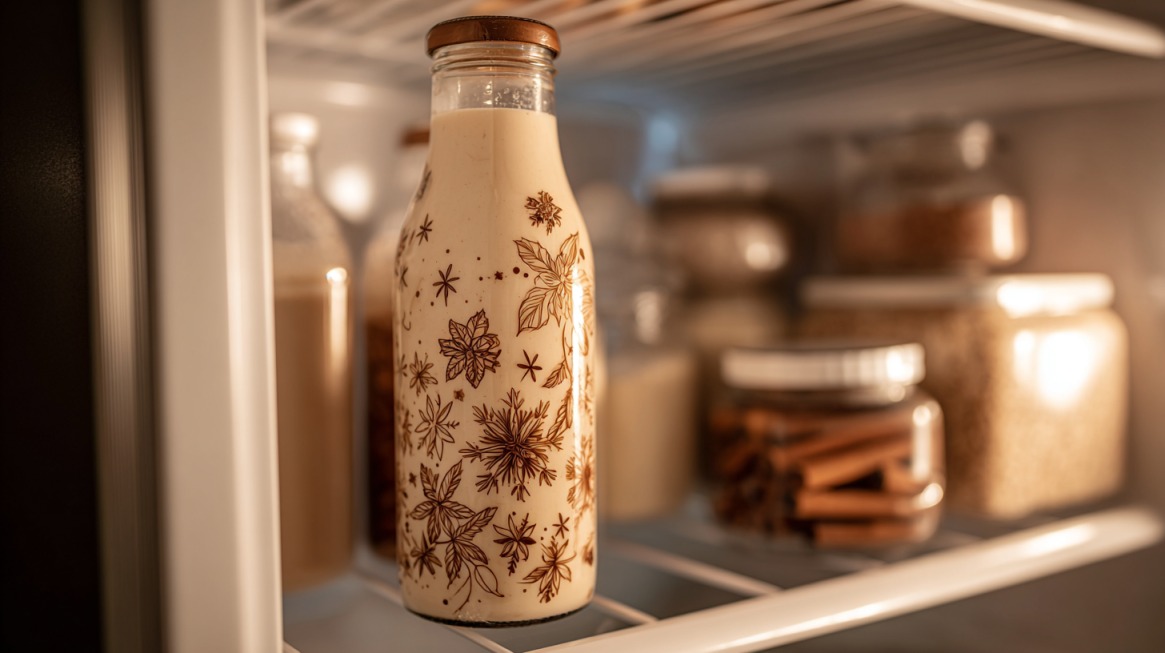
Correct storage practices help maintain flavor and extend shelf life. Preparation methods used before bottling also influence how well the drink holds up during refrigeration.
Ingredients should be thoroughly mixed before pouring into containers. Proper mixing prevents thick coconut cream from settling heavily at the bottom.
Sterilized glass bottles or airtight containers provide the best environment for storage. Clean containers limit bacterial contamination.
Refrigeration is essential for any version that contains dairy or coconut milk. Bottles should remain sealed until serving time.
Several hours of chilling improve flavor. Overnight refrigeration often allows spices and rum to integrate more fully with coconut ingredients.
Serving typically includes shaking the bottle well to recombine coconut milk and cream. Coquito is commonly served chilled or poured over ice.
Ground cinnamon or nutmeg may be sprinkled on top as a finishing touch.
Closing Thoughts
Coquito remains a beloved Puerto Rican holiday cocktail made with coconut milk, dairy, rum, and warm spices.
Shelf life varies depending on recipe ingredients and storage conditions. Alcohol-based recipes can last several weeks or even months when refrigerated properly.
Alcohol-free or egg-based versions spoil much faster and should be consumed quickly.
Allowing the coquito to rest in the refrigerator improves its flavor before serving. Drink is usually enjoyed chilled during holiday gatherings and celebrations.
Read More: Are amaretto and amaro the same thing, find out here!