
Bisquick is a dry baking mix commonly used to make pancakes, biscuits, waffles, and other quick breads. Ingredients typically include flour, fat such as shortening, salt, and leavening agents like baking powder.
Designed for convenience, it allows home cooks to prepare baked goods quickly without measuring multiple components. A printed “Best if used by” date appears on each box. That date signals peak quality rather than a strict safety deadline.
Because the mix is dry and packaged in a sealed plastic liner inside the box, it often remains usable long after the printed date has passed, provided storage conditions are appropriate.
Pantry storage habits raise questions. Boxes often sit untouched in cupboards for months or even years.
When rediscovered, many people wonder if the mix is still safe or if it should be thrown away.
How Long Does Bisquick Typically Last?
Unopened Bisquick stored in a cool, dry place can often remain usable for months or even years past its printed best-by date.
Dry ingredients resist rapid spoilage because low moisture levels limit microbial growth and slow chemical reactions. Protection against humidity and heat makes a noticeable difference in long-term quality.
Opened Bisquick has a shorter usable life. Exposure to air introduces oxygen, which gradually affects fats. Humidity can enter each time the box is opened, especially in kitchens with steam or temperature swings.
Even careful resealing cannot match the tight factory seal, so quality often declines faster after the first use.
@culinarykellie Don’t toss out those expired yeast packets, test them! The proof is in the proofing of yeast to see if it’s still viable for use. Yeast is a living organism which imparts texture and taste into your bread. To make sure your yeast is alive after its expiration date try testing it in a warm sugary water bath. You’ll have your answer in minutes. Store your active yeast in your refrigerator to extend the life of your yeast. I would use these pretty soon, so get to baking! #bakingfromscratch #bakinglove #bakersofinstagram #lovetobake #bakingathome #instabake #lovebaking #instabaking #bakingtips #bakersgonnabake #bakingisfun #yeast ♬ Background – FlyFlyMusic
- An unopened mix stored properly may stay usable well past the printed date, sometimes a year or more.
- Opened mix stored in the original box may begin losing peak quality within several months.
- Opened mix transferred to an airtight container often maintains better performance for a longer period.
Proper storage plays a central role. Placement in a cool pantry away from the stove, dishwasher, or direct sunlight reduces temperature stress.
Dry shelves matter just as much as cool air. Handling habits also influence longevity, such as using clean, dry measuring cups instead of dipping damp utensils into the mix.
Quality still matters. Even if the mix remains safe to consume, older Bisquick may not perform as expected. Reduced rise, denser biscuits, or flatter pancakes often result from ingredient breakdown over time. Flavor may also seem dull compared to a fresh box.
What Leads to Bisquick Going Bad?
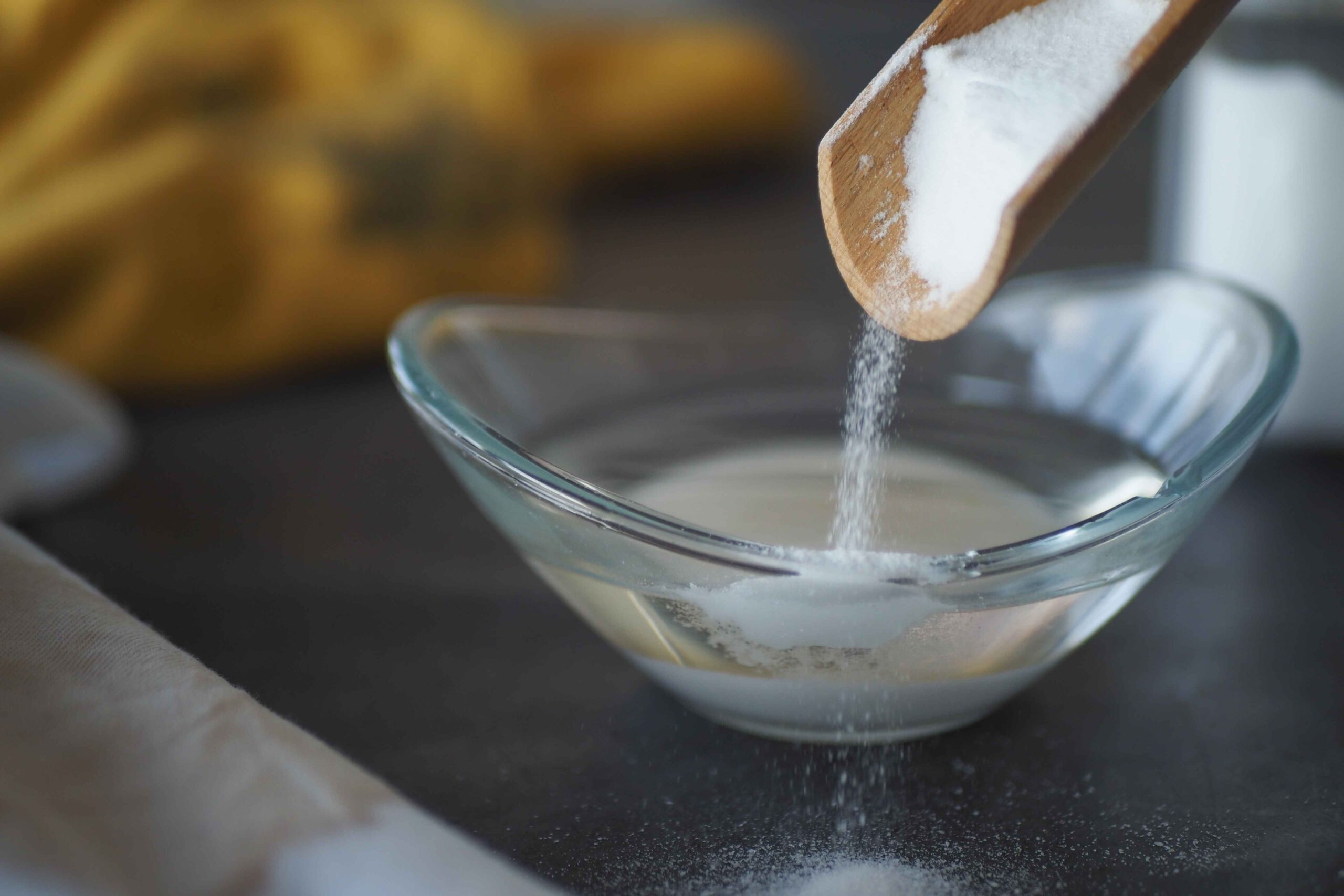
Ingredient composition explains most changes seen in aging Bisquick. Fats such as shortening or oil can oxidize gradually.
Oxidation leads to rancidity, which affects both smell and taste. Air and moisture speed up this reaction after opening.
- A sharp, sour, or paint-like odor
- Slight yellowing or darkening of the mix
- Bitter or stale flavor in finished baked goods
Leavening agents such as baking powder also degrade over time. Chemical reactions within baking powder lose strength gradually, especially in humid environments.
Weak leavening results in baked goods that rise less and feel heavier.
Flour, another primary component, can stale as its natural compounds change over time.
Improper storage may also allow pantry pests to access the mix if the packaging becomes compromised. Moisture intrusion increases the risk of clumping and contamination.
Home cooks frequently report that rancid fat and weakened leavening contribute to disappointing baking results. Practical kitchen experience supports food science principles that explain why performance declines.
Specific Signs Bisquick Is No Longer Good
Texture often provides the first clue. Clumping or hard lumps typically indicate moisture absorption. Dry baking mix should feel loose and powdery when poured. Noticeable clumps suggest humidity has entered the package and compromised quality.
- Grayish discoloration.
- Dark specks not originally present.
- Signs of mold growth, though uncommon, are in dry mixes.
Smell offers another strong indicator. Fresh Bisquick has a neutral, slightly flour-like scent. Sour, bitter, or oily odors suggest that fats have deteriorated and turned rancid.
Pest activity presents a clear reason to discard the mix immediately. Flour-based products sometimes attract insects if the packaging is damaged or stored in warm conditions.
What Happens When You Use Old Bisquick
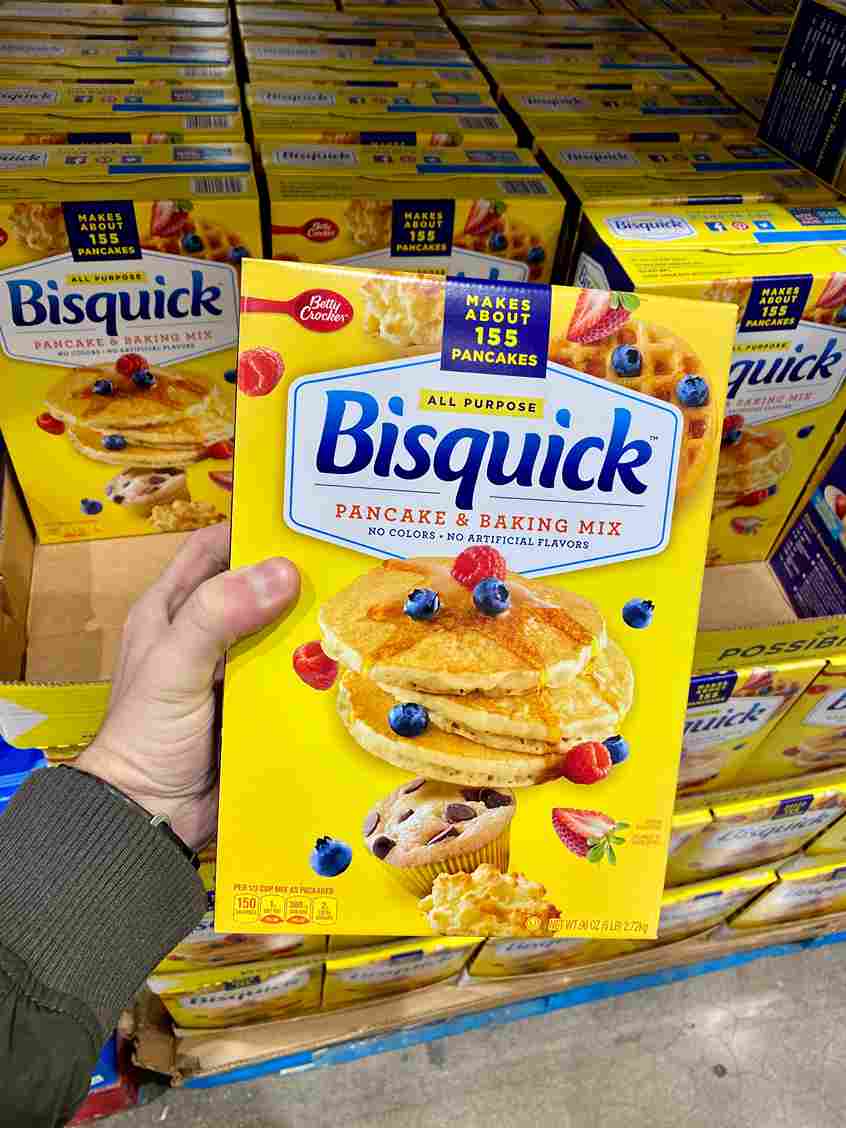
Reduced performance represents the most common outcome.
Pancakes may spread more and rise less. Biscuits can turn out dense or crumbly instead of light and fluffy. Weak leavening and degraded fats explain these texture issues.
Safety concerns remain limited in most cases. Dry mixes like Bisquick generally do not become dangerous simply because a printed date has passed.
Absence of rancid odor, visible contamination, or pest presence suggests the mix is still safe to use.
Taste and texture often determine the final decision. Even without clear spoilage, flat flavor or poor rise may justify replacing the box.
Storage Conditions That Extend or Reduce Usability
Cool, dry, and airtight storage maximizes shelf life. Keeping the mix away from heat sources and humidity slows fat oxidation and helps preserve leavening strength. Consistency in temperature matters more than extreme cold.
After opening, transferring the mix to a tightly sealed container helps protect it. Containers with gasket seals provide added protection against moisture and oxygen. Using dry utensils every time also prevents accidental moisture introduction.
Cold storage remains a debated option. Refrigeration or freezing can slow fat oxidation and chemical breakdown. Moisture control remains critical in these settings.
Condensation may form if the container is not fully sealed or if the mix is opened before reaching room temperature. Careful sealing and gradual temperature adjustment reduce that risk.
@cookingatpamsplace Make your own Bisquick all purpose baking mix! How to make your bag air tight! https://youtube.com/shorts/Cmwc9m5dppY #cookingathometiktoktv #bisquick #fyp #cookingatpamsplace #baking #food ♬ original sound – Cooking At Pam’s Place
Closing Thoughts
Bisquick does not instantly spoil once its expiration date arrives. A dry baking mix can remain usable long after that printed date if stored properly.
Common sense and sensory checks provide reliable guidance. Appearance, smell, and storage history offer practical clues about quality and safety.
Balancing quality decline with true spoilage helps reduce food waste while maintaining safe and satisfying baking results.
For more safety: How to know if cornmeal is safe to eat? Read our guide and have your meals stay fresh and healthy.