
Many shoppers ask a simple question: Can you freeze hot dogs? Answering it correctly helps reduce food waste, save money when buying in bulk, and simplify meal prep.
Hot dogs are a popular, ready-to-eat protein that can sit in the refrigerator for days, yet they remain perishable.
Freezing offers a practical way to extend how long hot dogs last. Keeping them at freezing temperatures slows bacterial growth and keeps them safe for much longer than refrigeration alone.
When handled properly, you can freeze hot dogs and enjoy them later with minimal loss of quality.
Without further ado, let us talk about whether hot dogs should be frozen.
Is it Safe to Freeze Hot Dogs?
You can safely freeze hot dogs and keep them in the freezer for up to 1 to 2 months to maintain the best quality.
Many people hesitate to freeze hot dogs because they are already cooked when purchased. Confidence in their safety often leads to relaxed storage habits. Careful handling still matters at every stage.
Hot dogs are processed, cured, and fully cooked during manufacturing. Cooking makes them ready to heat and eat, yet contamination can still occur after packaging is opened or if temperature control fails. Bacteria such as Listeria can grow if products are left at unsafe temperatures.
Freezing keeps hot dogs safe when done correctly.
- Freezing does not kill all bacteria
- Freezing stops bacterial growth while food remains frozen
- Safe handling before freezing directly affects overall food safety
Temperature control plays a central role in preventing foodborne illness. General food safety advice remains simple: keep cold foods cold.
Refrigerate or freeze hot dogs as soon as possible after purchase. Grocery bags and kitchen counters should never act as temporary storage for extended periods.
Freezers should maintain a temperature of 0°F or colder. At that level, bacterial growth stops and food remains safe indefinitely. Quality may slowly decline over time, yet safety remains intact as long as the temperature stays consistent.
How to Properly Freeze Hot Dogs?
Freezing hot dogs the right way protects both safety and eating quality. Poor wrapping or temperature changes inside the freezer can lead to dryness, off flavors, and freezer burn. Careful preparation makes a noticeable difference once you thaw and heat them.
Air exposure is the main cause of texture problems during frozen storage. Reducing contact with air and keeping a steady freezer temperature at 0°F or colder are the two most important steps when you freeze hot dogs.
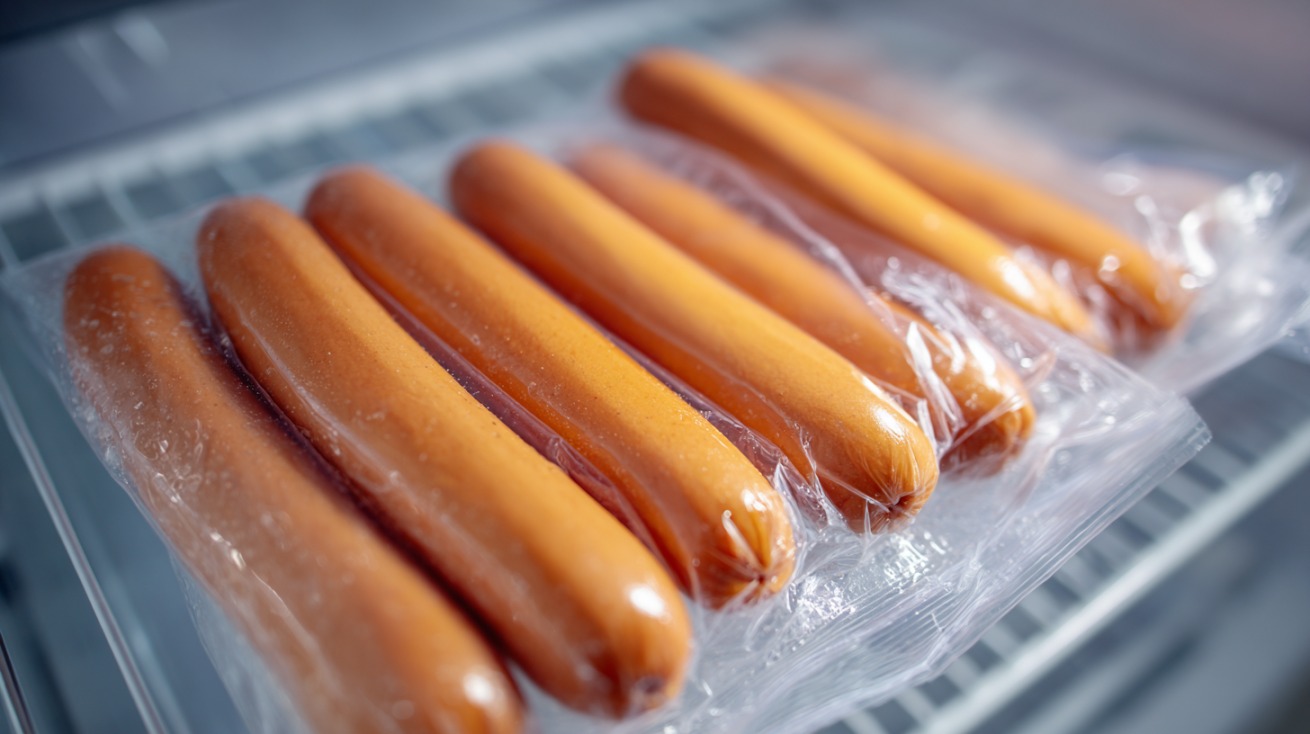
Unopened Hot Dogs
Unopened vacuum-sealed packages are simple to freeze. Manufacturers remove most of the air during packaging, which helps slow moisture loss and reduce freezer burn.
- Place directly into a freezer set at 0°F or colder
- Confirm that the vacuum seal is fully intact
- Avoid tearing or puncturing the original packaging
Original wrapping is usually thick enough for short-term freezer storage. Extra wrapping is optional, but it can add another layer of protection if you plan to freeze hot dogs close to the full one to two month quality window.
Keeping the package sealed prevents surface drying and helps maintain a better texture after thawing.
Opened Hot Dogs
Opened packages need tighter protection because the original seal has been broken. Air inside the package speeds up freezer burn and causes dull flavor over time.
- Wrap hot dogs tightly in plastic wrap or aluminum foil
- Place wrapped hot dogs inside airtight freezer bags
- Press out as much air as possible before sealing the bag
Removing excess air reduces ice crystal formation on the surface. Ice buildup often leads to tough or dry spots.
Separating hot dogs slightly before freezing makes portioning easier later. Flash freezing on a tray for 30 to 60 minutes keeps them from sticking together. After they firm up, transfer them into a freezer-safe bag and return them to the freezer for longer storage.
Labeling the bag with the freezing date helps you track how long it has been stored.
How Long Can You Freeze Hot Dogs
Freezing keeps hot dogs safe for extended periods, but flavor and texture remain best within a recommended timeframe. Cold storage guidelines suggest using frozen hot dogs within one to two months for optimal quality.
Extended freezer storage does not automatically make hot dogs unsafe. Taste may become less pronounced and texture slightly softer over time. Planning meals around the one to two-month window helps preserve a better eating experience.
Effects of Freezing on Quality
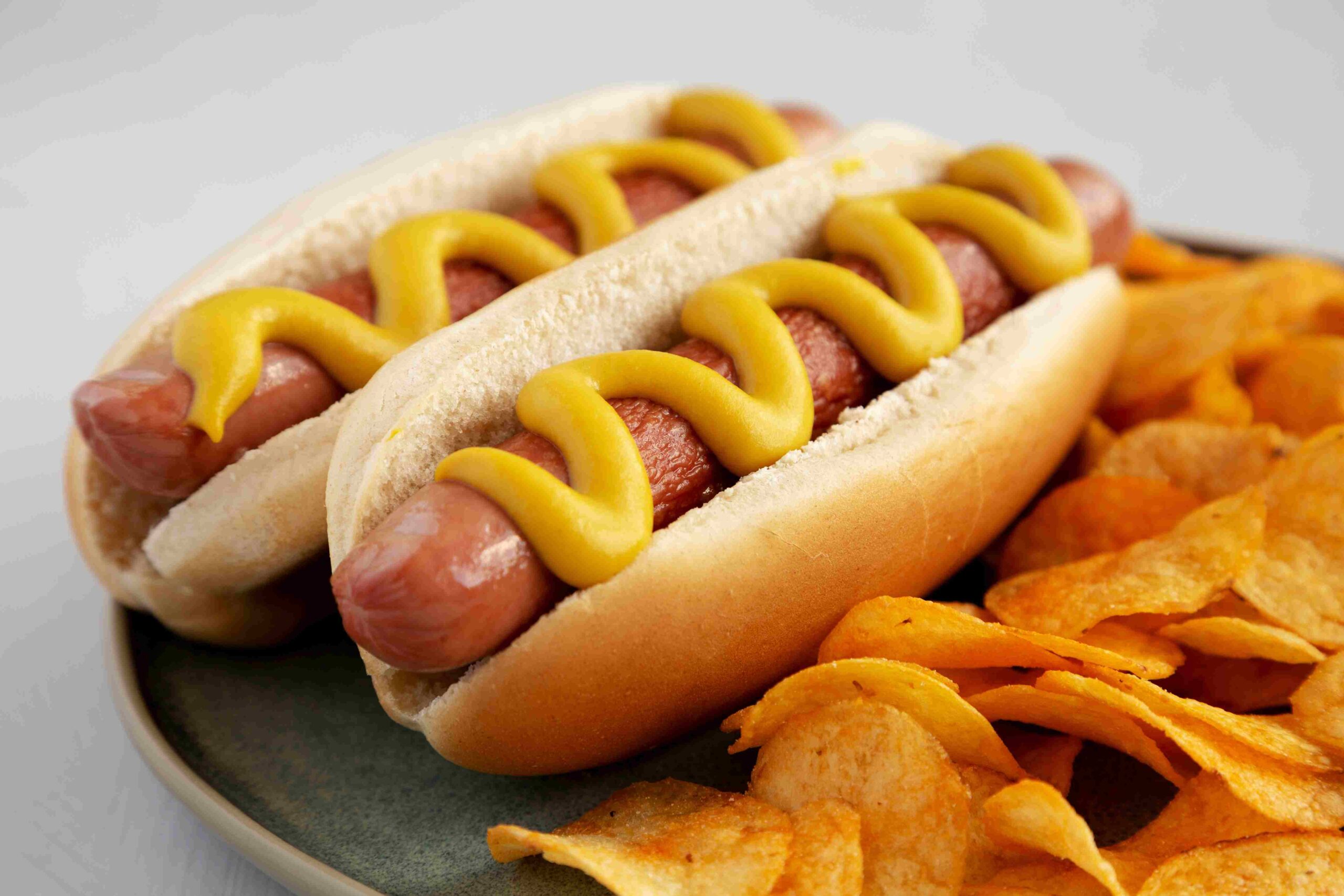
Freezing slows bacterial growth effectively, yet physical changes still take place inside the product. Water naturally present in hot dogs turns into ice when exposed to freezer temperatures. As ice crystals form, they expand and push against the surrounding structure.
That expansion can slightly alter the internal texture, which becomes noticeable after thawing and reheating.
Texture changes are usually mild if you freeze hot dogs properly and use them within the recommended one to two-month window. Casings may feel softer than they did before freezing, and the bite can be a bit less firm.
Moisture loss during storage may also cause the ends to dry out, especially if the packaging was not airtight. Flavor intensity can decline gradually over time, leading to a less fresh taste.
Freezer burn is another quality issue that can develop during storage. It appears as pale, dry patches on the surface and results from air exposure inside the packaging.
Although freezer burn does not automatically make hot dogs unsafe to eat, it can create tough spots and muted flavor in affected areas. Trimming away severely dried sections may improve the eating experience, yet prevention remains the best approach.
Temperature stability plays a major role in preserving quality. Frequent freezer door openings or fluctuating temperatures increase the likelihood of ice crystal growth and moisture loss.
Thawing and Using Frozen Hot Dogs
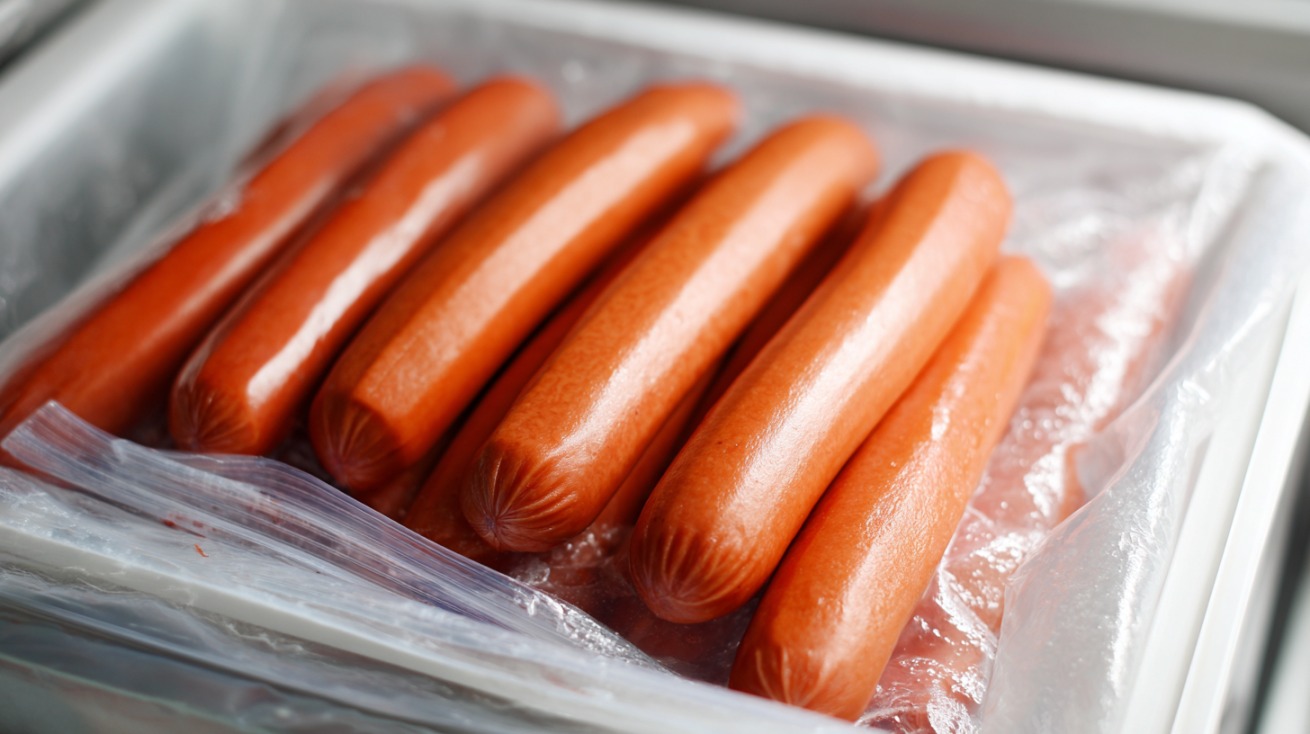
Safe thawing protects against bacterial growth as the product warms. Controlled thawing keeps temperatures within a safe range and preserves quality.
Safe Thawing Methods
Refrigerator thawing remains the most reliable option. Place frozen hot dogs in the refrigerator and allow them to thaw slowly over several hours or overnight.
Cold water thawing works faster than refrigeration but still keeps the product at a safe temperature. Microwave thawing requires immediate cooking because parts of the hot dogs may begin to warm unevenly.
Room temperature thawing should be avoided. Warm kitchen air allows bacteria to multiply quickly once surface temperatures rise.
After Thawing
Once thawed, hot dogs should remain refrigerated and be used within one to two days. Keep them sealed and chilled until ready to cook or reheat.
- Sour or off odors
- Slimy surface texture
- Discoloration
Discard hot dogs if any of these signs appear.
Refreezing
Refreezing hot dogs after thawing is not recommended. Each freeze and thaw cycle causes additional moisture loss and texture changes. Safety may also be affected if thawing is not handled properly.
Portioning before freezing offers a simple solution. Freezing smaller quantities allows you to thaw only what you plan to use, reducing waste and avoiding repeated freezing.
USDA and FSIS Safety Reminders
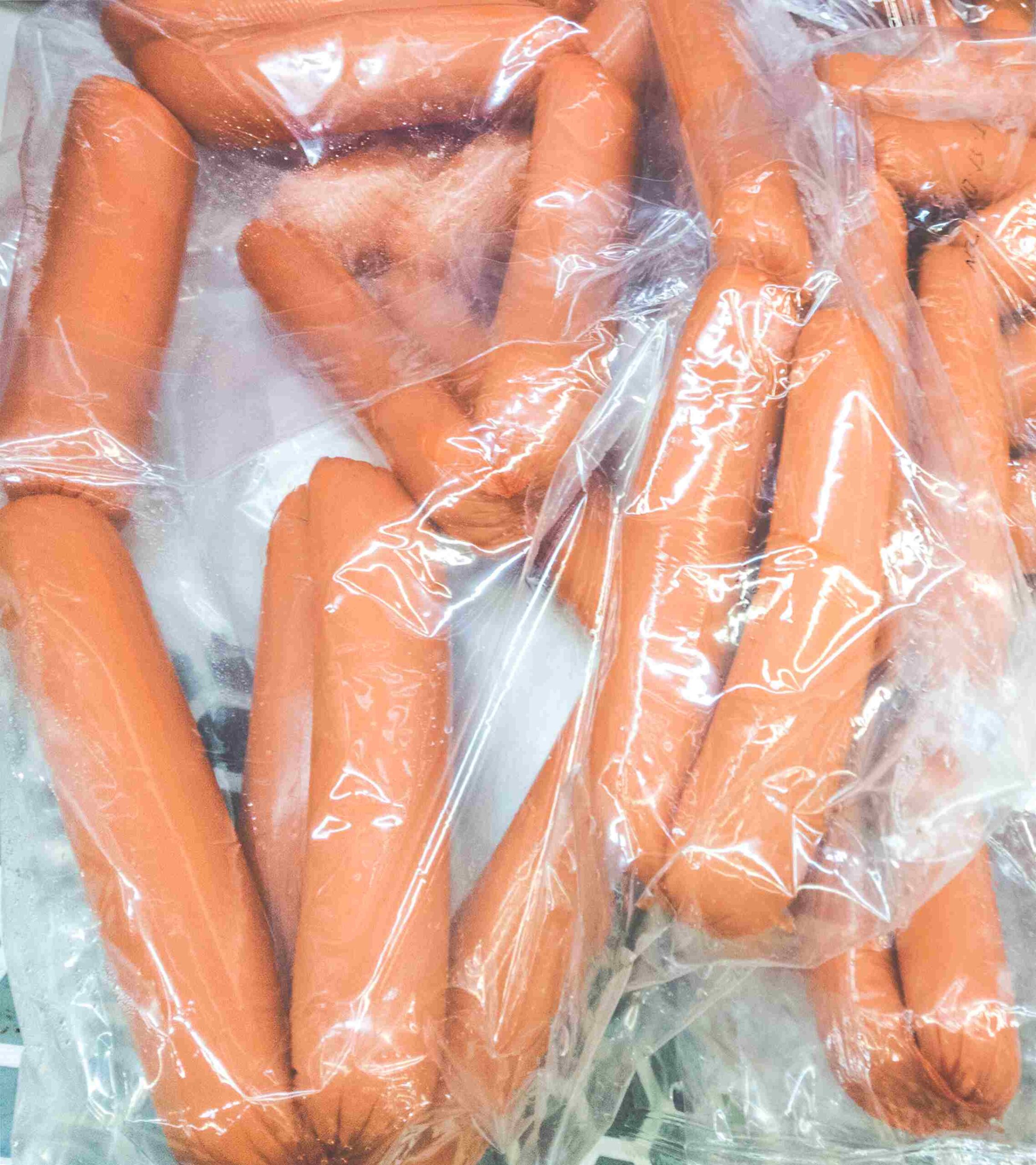
Food safety practices remain important at every stage of storage and preparation. Temperature control and cleanliness reduce the risk of contamination in home kitchens.
- Refrigerate or freeze hot dogs immediately after purchase
- Maintain freezer temperature at 0°F or colder
- Follow storage instructions printed on the package label
- Wash hands, utensils, and preparation surfaces after handling
Ingredient labels may list extenders or binders, yet proper temperature control and sanitation play a much larger role in safety. Consistent cold storage and clean preparation habits keep hot dogs safe and ready to enjoy.
Don’t Miss: Let’s talk about how long a ranch can last after opening, keep the food safety a priority in your kitchen!
Summary
Yes, you can freeze hot dogs safely. Both opened and unopened packages, as well as cooked hot dogs, can go into the freezer with proper handling.
Freezing slows microbial growth and extends how long hot dogs remain usable. Best quality occurs when frozen hot dogs are used within about one to two months.
Proper packaging, maintaining a freezer temperature of 0°F or colder, and safe thawing practices all help protect both safety and taste.