
Aperol Spritz ranks as a global favorite and defines modern aperitivo culture. Classic preparation pairs prosecco, soda water, and Aperol’s bittersweet orange flavor in a large wine glass filled with ice. Light bubbles and gentle bitterness make it ideal for late afternoons, patio gatherings, and relaxed social sipping.
Interest in alternatives often starts with taste. Some drinkers find Aperol’s bitterness polarizing, while others crave new flavor experiences that shift the balance toward floral sweetness, sharper citrus, or deeper herbal notes.
Spritz culture offers far more than one bottle, with countless liqueurs and aperitifs capable of reshaping the drink’s character.
The core structure of a spritz remains simple. Prosecco provides sparkle and structure. Soda water adds lift and refreshment.
A chosen liqueur or aperitivo shapes color, aroma, and flavor. Changing that single component can transform a light orange refresher into a ruby bitter classic or a fragrant floral cocktail.
| Spritz Option | Base | Flavor Profile | Best For |
|---|---|---|---|
| Limoncello Spritz | Limoncello, prosecco, soda, lemon, herbs | Bright lemon zest, clean sweetness, crisp finish | Hot afternoons, seafood, summer gatherings |
| Hugo Spritz | Elderflower liqueur, prosecco, soda, mint, lime | Floral, lightly sweet, low bitterness | Brunch, garden parties, early evenings |
| Cherry Spritz | Cherry liqueur, prosecco, soda | Ripe cherry, balanced tartness, softer bitterness | Evenings, cheese boards, cured meats |
| Campari Spritz | Campari, prosecco, soda | Bold bitterness, herbal, higher ABV | Pre-dinner drinks, salty snacks |
| Select Spritz | Select, prosecco, soda | Bittersweet, herbal, slightly dry | Aperitivo hour, cicchetti |
| Cynar Spritz | Cynar, prosecco, soda | Earthy, vegetal, caramel notes | Evening aperitivo, fried foods |
| Lillet Blanc Spritz | Lillet Blanc, prosecco, soda | Floral, citrus, honeyed, minimal bitterness | Afternoon events, light appetizers |
| Non-Alcoholic Spritz | NA aperitif, soda | Bittersweet citrus, herbal, 0.0% ABV | Alcohol-free occasions |
| Wine & Canned Spritzers | Pre-made wine spritz | Fruit-forward, citrusy, refreshing | Picnics, beach days, casual gatherings |
1. Limoncello Spritz – Bold Citrus, Summer Zing
Limoncello Spritz builds on Southern Italian tradition, channeling the lemon groves of the Amalfi Coast into a sparkling aperitivo. Limoncello, prosecco, and soda form the base, poured over generous ice in a large wine glass.
Fresh mint or basil and a bright lemon wheel add aroma and visual lift.
Flavor profile leans intensely citrus-forward, with sweetness that feels clean rather than heavy. Compared to Aperol’s bittersweet orange tone, limoncello delivers sharper lemon zest and candied peel notes.
- High-quality limoncello made with real lemon peel infusion
- Extra squeeze of fresh lemon juice for added snap
- Fragrant herbs such as basil to accentuate Mediterranean character
Texture feels crisp and lively, making it ideal for hot afternoons, seaside lunches, and light seafood dishes. Alcohol level remains moderate, yet citrus intensity keeps it vivid and refreshing through every sip.
2. Hugo Spritz – Floral and Low-Bitter
@liveeatlearn How to make a Hugo Spritz! ✨ “Was recently introduced to this refreshing cocktail in Venice, Italy. Your recipe tastes just like it and takes me back to sunny days in Italy.” -Lisa #summercocktail #hugospritz #hugococktail #summerrecipe #cocktailrecipe #cocktailtime ♬ Espresso – On Vacation Version – Sabrina Carpenter
Hugo Spritz offers a softer, more aromatic direction for spritz fans seeking minimal bitterness.
Elderflower liqueur, such as St Germain, pairs with prosecco and soda water, finished with fresh mint and a wedge of lime.
Floral notes lead the palate, supported by subtle sweetness and gentle bubbles. Lime adds a delicate tart edge without overwhelming the drink.
- Elderflower liqueur for perfume-like aroma
- Fresh mint leaves for cooling freshness
- Lime wedge for restrained acidity
Alcohol content tends to sit slightly lower than more bitter aperitifs, encouraging easy, extended sipping. Garden parties, brunches, and early evening gatherings suit its light structure and fragrant profile.
3. Cherry Spritz – Fruity and Tarty
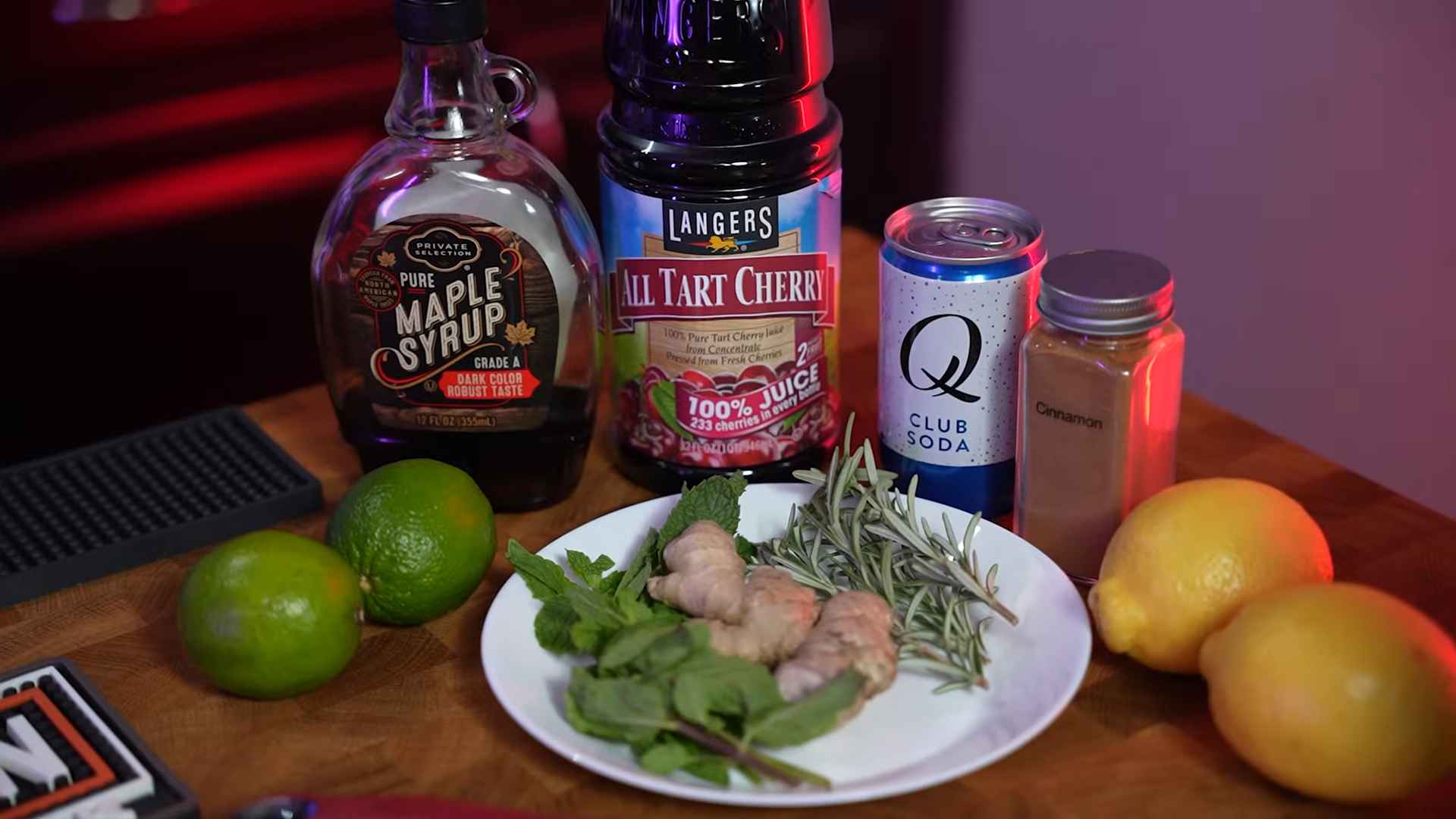
Cherry Spritz introduces deeper color and fruit concentration into the spritz format.
Cherry liqueur such as Bellamie combines with prosecco and soda, creating a jewel-toned cocktail that catches attention in the glass.
Fruit-forward character brings ripe cherry sweetness balanced by a tart finish. Bitterness remains present but softer than Campari, creating a midpoint between playful fruit cocktail and Italian aperitivo.
- Olive garnish adds savory contrast and slight brininess
- Fresh cherry garnish reinforces fruit intensity
- Lemon twist sharpens the finish
Profile feels layered and slightly unexpected, especially when paired with salty cheeses or cured meats. A deeper red hue also makes it a strong visual alternative for evening occasions.
4. Campari Spritz – Classic Italian Bitter
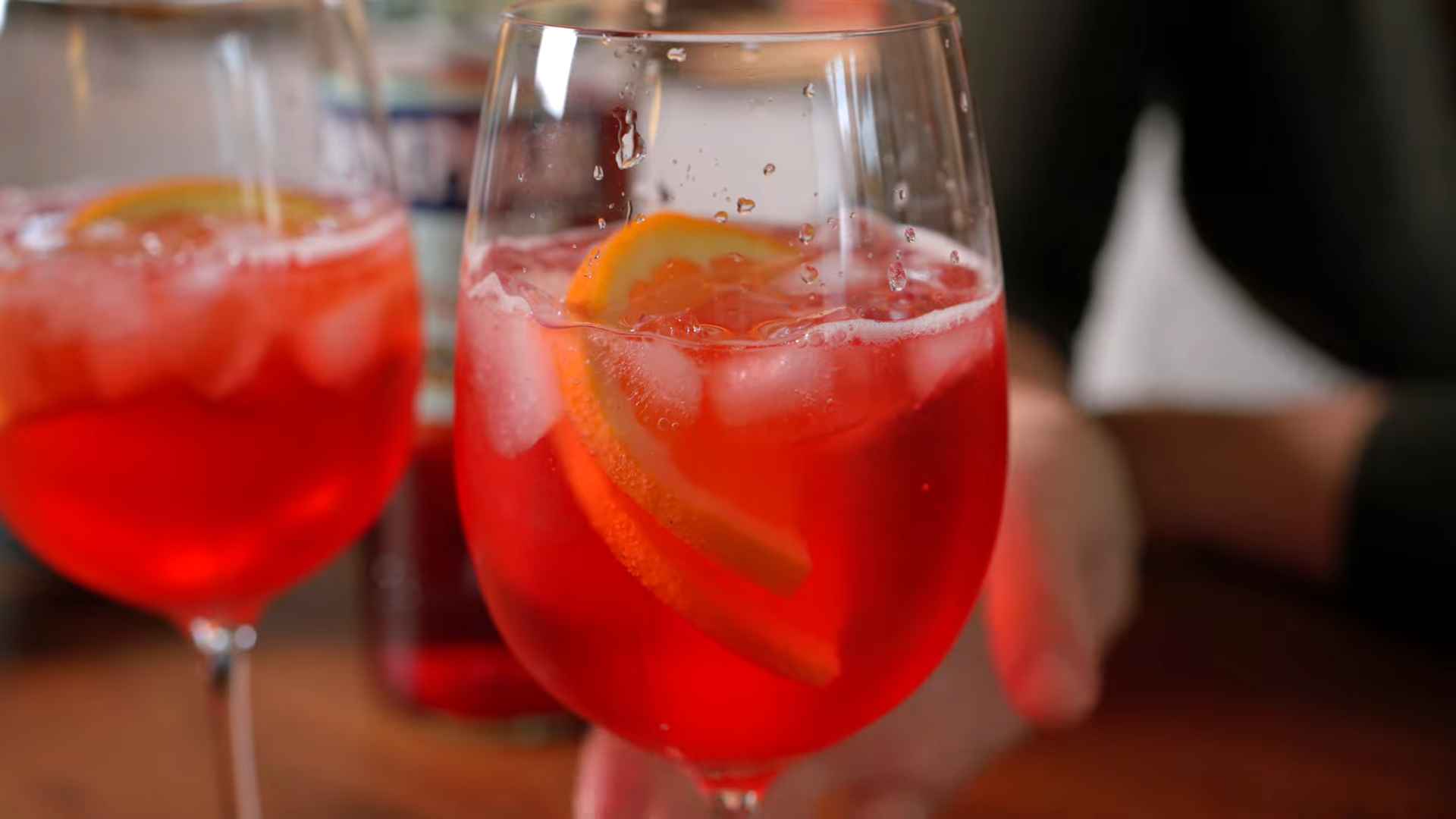
Campari Spritz moves decisively toward pronounced bitterness and herbal complexity.
Campari’s higher alcohol content and assertive botanicals give the drink more structure and intensity than Aperol.
Milanese spritz tradition often favors Campari as a pre-dinner stimulant, valued for its appetite-awakening qualities. Herbal notes, subtle spice, and firm bitterness define the experience.
- Higher ABV
- Darker red color
- More pronounced bitter finish
Structure feels bold and confident, making it better suited to those who appreciate strong aperitifs. Salty snacks such as olives, almonds, and prosciutto complement its firm edge.
5. Select Spritz – Venetian Original
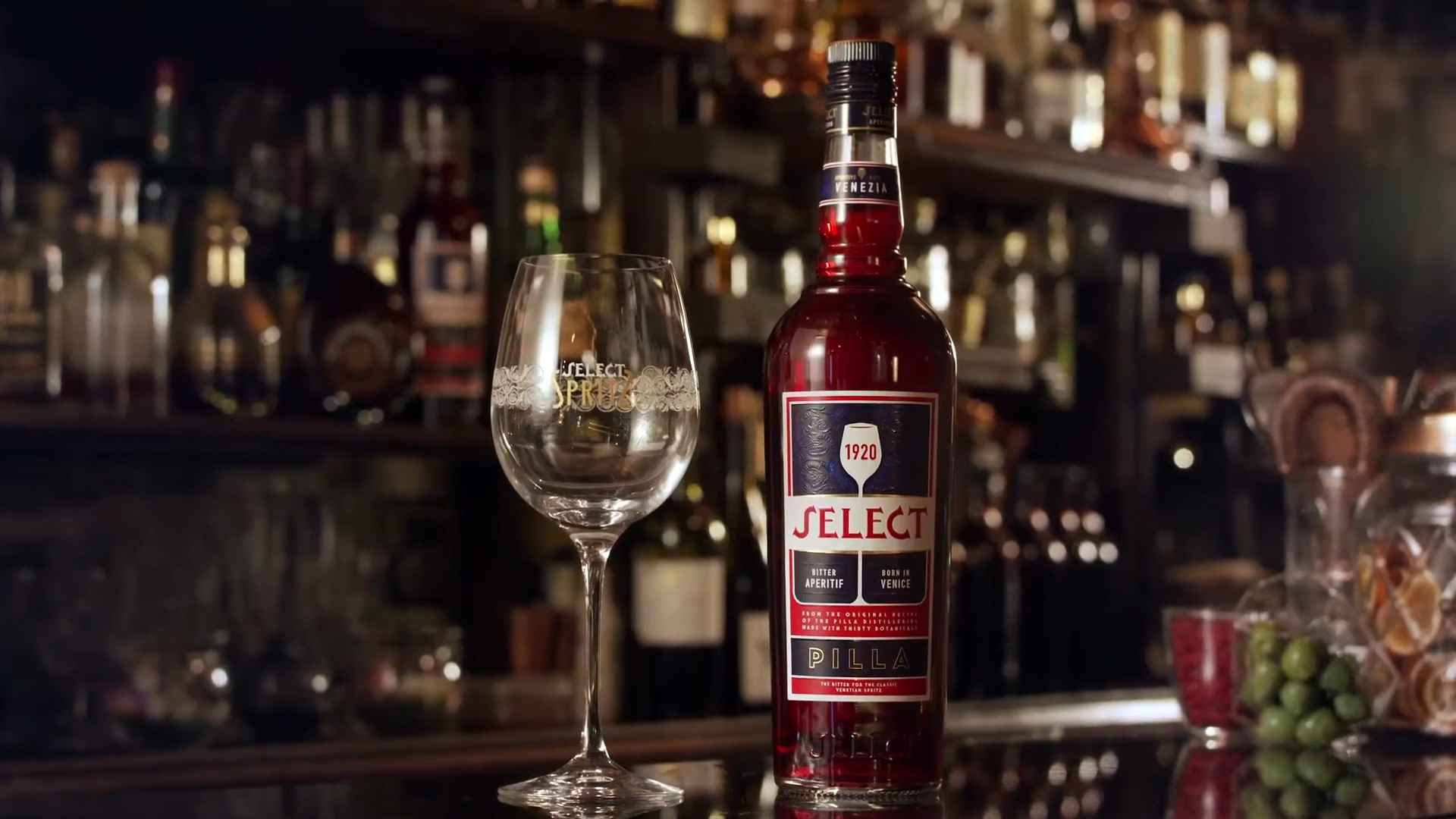
Select Spritz traces its roots to Venice, where Select aperitivo predates Aperol’s global popularity in spritz culture.
Deep ruby hue and herbal profile set it apart visually and aromatically.
Juniper hints and subtle spice weave through the bittersweet base, creating a profile that feels slightly drier than Aperol.
- Select aperitivo
- Prosecco
- Splash of soda
Character lands between Aperol’s gentle bitterness and Campari’s assertive edge. Crisp, savory snacks such as cicchetti enhance its herbal nuances and reinforce its Venetian identity.
6. Cynar Spritz – Earthy and Botanical
@bar.g11 Spritz Cynar 😛😍 recipe -> -60ml cynar -60ml prosecco -20ml soda (mint garnish) #fyp #drink #cocktail #bartender #barista #spritz ♬ Rasputin (Single Version) – Boney M.
Cynar Spritz relies on artichoke-based amaro for its foundation.
Earthy, vegetal tones define its personality, offering a savory twist that diverges sharply from bright citrus profiles.
Bitterness carries a green, botanical edge that pairs exceptionally well with salty or fried foods. Moderate sweetness prevents it from feeling austere.
- Artichoke bitterness
- Caramel undertones
- Herbal and slightly smoky accents
Adventurous drinkers often gravitate toward Cynar for its depth and savory finish. Evening aperitivo hours, especially alongside robust appetizers, suit its more grounded character.
7. Lillet Blanc Spritz – Light, Elegant and Aromatic
Lillet Blanc Spritz swaps Italian liqueur for French fortified wine, creating a softer and more wine-forward option. Floral, citrus, and honey notes shape its aromatic profile.
Bitterness remains minimal, allowing fruit and floral elements to take center stage. Prosecco enhances its crispness while soda maintains lift and freshness.
- Orange blossom and subtle citrus
- Honeyed sweetness
- Gentle herbal hints
Texture feels refined and smooth, making it well suited to afternoon gatherings, bridal showers, and light hors d’oeuvres. Wine lovers often appreciate its balanced and approachable style.
8. Non-Alcoholic Spritz Alternatives – Zero Proof Fun
View this post on Instagram
Non-alcoholic spritzes replicate bittersweet citrus character while keeping alcohol at 0.0 percent ABV. Brands such as Lyre’s Italian Spritz Style and Martini Vibrante aim to capture classic aperitivo notes without intoxication.
Flavor profiles typically feature layered botanicals that echo traditional recipes.
- Orange peel and blood orange
- Rhubarb bitterness
- Herbal and floral accents
Structure mirrors traditional spritz preparation, using sparkling wine alternatives or soda for effervescence. Social occasions that call for alcohol-free options benefit from these alternatives, allowing full participation in aperitivo culture without compromise.
9. Wine and Canned Spritzer Options – Modern, Convenient Twists
Ready-to-drink wine spritzers simplify preparation while preserving sparkling refreshment. Options such as Nomadica Rosé Yuzu and Pampelonne Blood Orange introduce fruit-forward character and subtle bitterness in portable formats.
Flavor direction varies by brand, yet many focus on bright citrus and refreshing acidity.
- No mixing required
- Easy transport for picnics and beach days
- Consistent flavor in every can
View this post on Instagram
Convenience does not eliminate complexity, as some versions incorporate yuzu, blood orange, or rosé wine for layered taste. Casual gatherings and outdoor events benefit most from their simplicity and reliability.
Criteria for Choosing the Best Alternatives
Flavor balance plays a central role. Some alternatives lean bitter and herbaceous, echoing traditional Italian aperitifs.
Others shift toward floral elderflower, bright citrus, stone fruit, or earthy botanicals. Desired profile depends on personal taste and the mood of the occasion.
Alcohol strength and seasonal suitability matter as well. Lower ABV options suit daytime sipping, brunches, and warm weather gatherings.
Stronger, more bitter selections fit evening cocktails and pre-dinner drinks. Seasonal ingredients such as lemon in summer or spiced botanicals in cooler months can guide selection.
Cultural and regional traditions add depth. Venetian Select, Campari in Milan, and limoncello in Naples showcase how local tastes shape spritz variations.
Accessibility and ingredients influence practicality. Some alternatives require specialized bottles like Cynar or Select. Others can be improvised with widely available liqueurs, fortified wines, or ready-to-drink canned spritzes that simplify preparation for casual events.
Summary
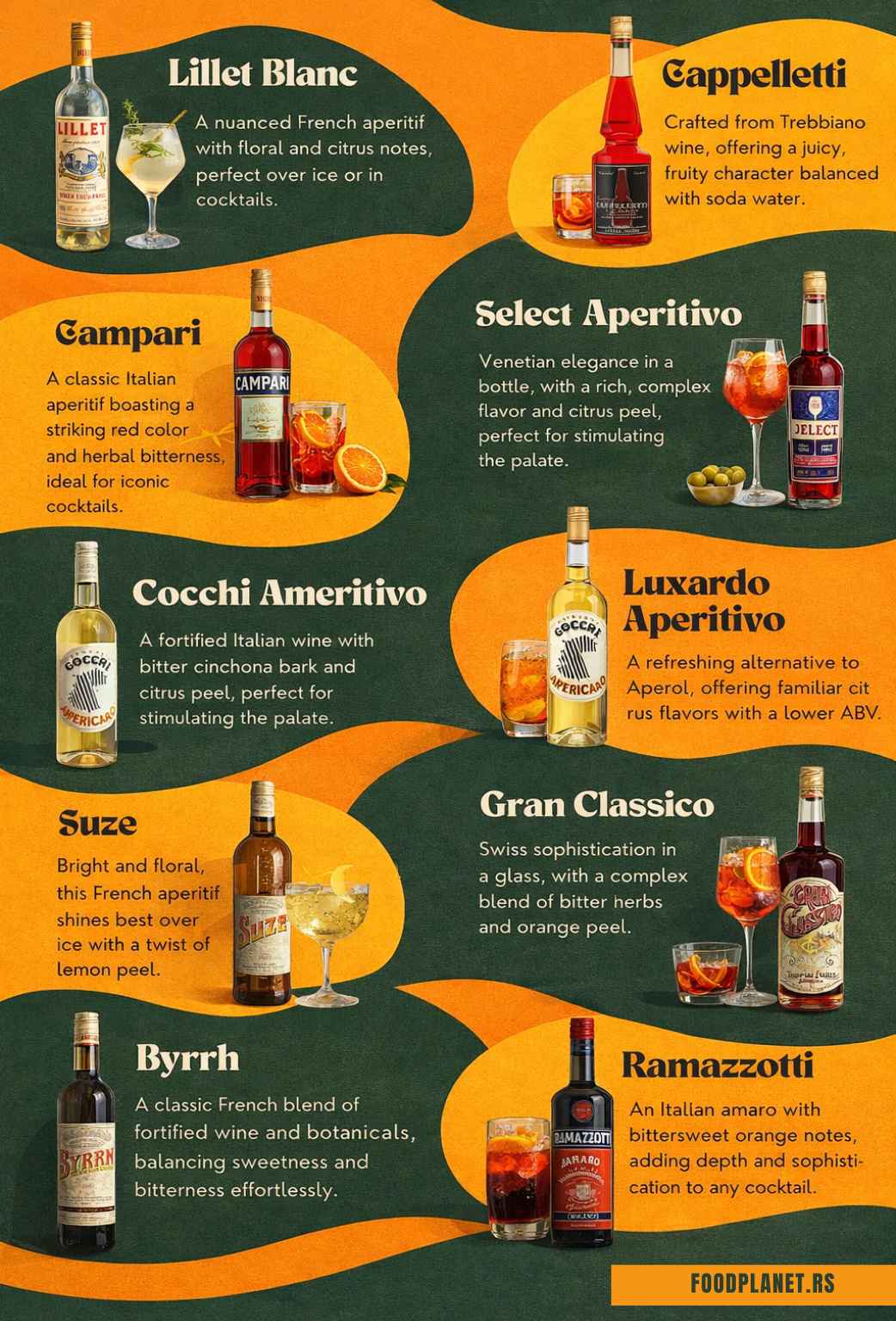
Modern spritz culture extends far past a single orange cocktail. Bitter, floral, fruity, elegant, and non-alcoholic options coexist within one flexible formula built on prosecco, soda, and a defining liqueur.
Curiosity and personal taste guide selection. Introducing friends to alternatives such as Select in Venetian style, Campari in Milanese fashion, or a bright Limoncello Spritz can refresh any gathering.
Spritz tradition continues to grow through creativity, regional influence, and changing preferences, offering a style suited to nearly every palate.
Read about some of the best hazelnut liqueur alternatives that you can use instead if you’re not a fan of aperol!