
Italian liqueurs often carry names that sound very similar, which creates confusion for casual drinkers and cocktail fans.
Amaro and amaretto represent two completely different liquers.
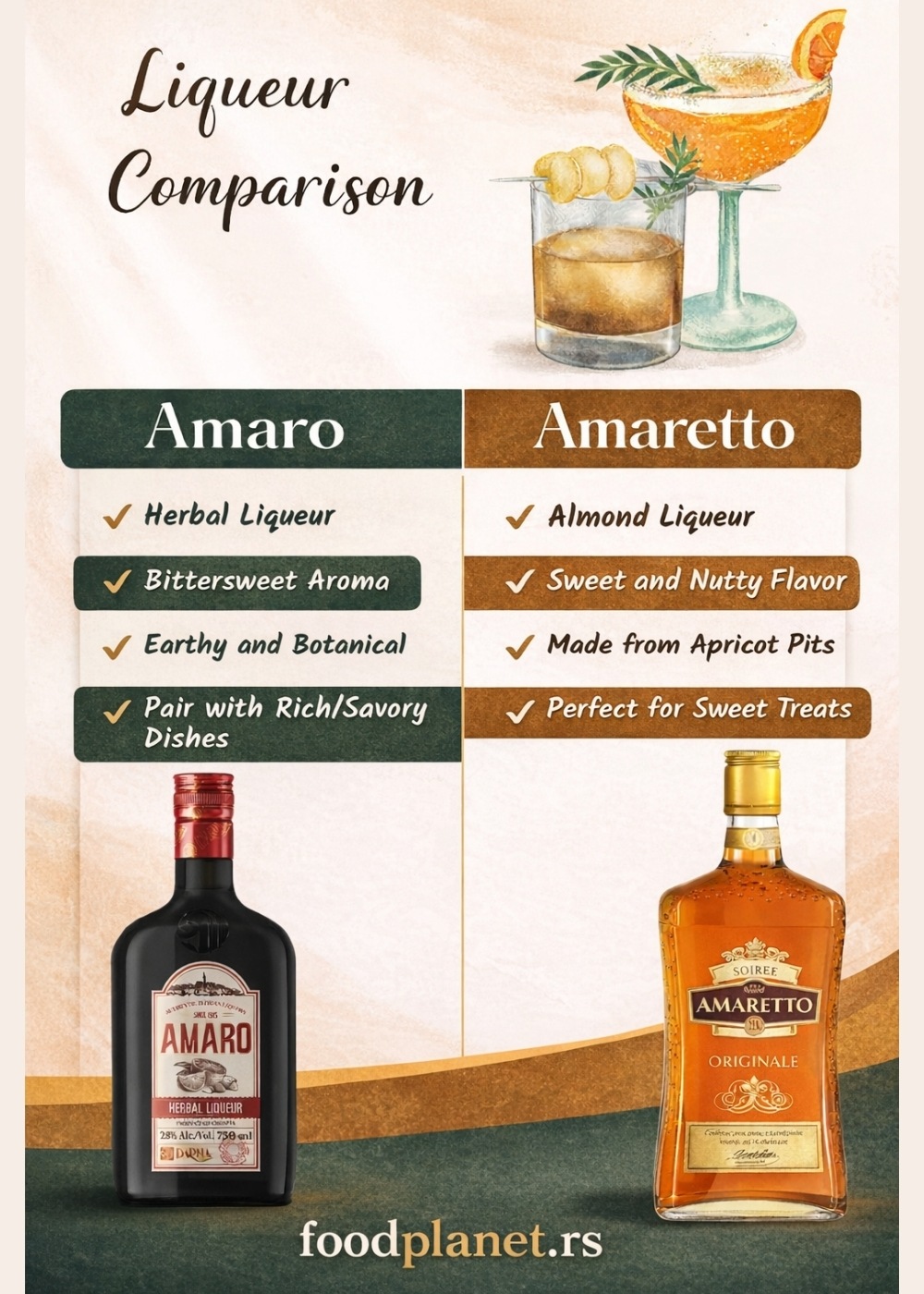
Amaro refers to a category of bitter herbal liqueurs created with many botanical ingredients. Amaretto describes a sweet liqueur known for an almond-like taste and dessert-style character.
Flavor profiles mark the most obvious distinction. Amaro typically delivers bitterness mixed with herbal and aromatic notes. Amaretto provides sweetness with a nutty character similar to almonds or marzipan.
Differences also appear in production methods, alcohol content, and common uses.
Let us see what those two are exactly and how they differ.
What Is Amaretto?
Amaretto represents one of the most recognizable Italian liqueurs due to its sweet almond-like character. Popularity extends across cocktail bars, restaurants, and home kitchens thanks to its dessert-style flavor and versatility in drinks and recipes.
Origin connects strongly with the town of Saronno in the Lombardy region of northern Italy. Historical tradition links the drink with local producers who created sweet, nutty liqueurs using fruit kernels and spirits.
The name “amaretto” translates roughly to “a little bitter.” Slight bitterness refers to a subtle note that balances the dominant sweetness of the liqueur. The balance between sweetness and mild bitterness gives amaretto a smooth and rounded taste.
Sweet flavor and recognizable aroma make amaretto widely used in cocktails, coffee drinks, and dessert recipes. Many drinkers also enjoy it neat or over ice.
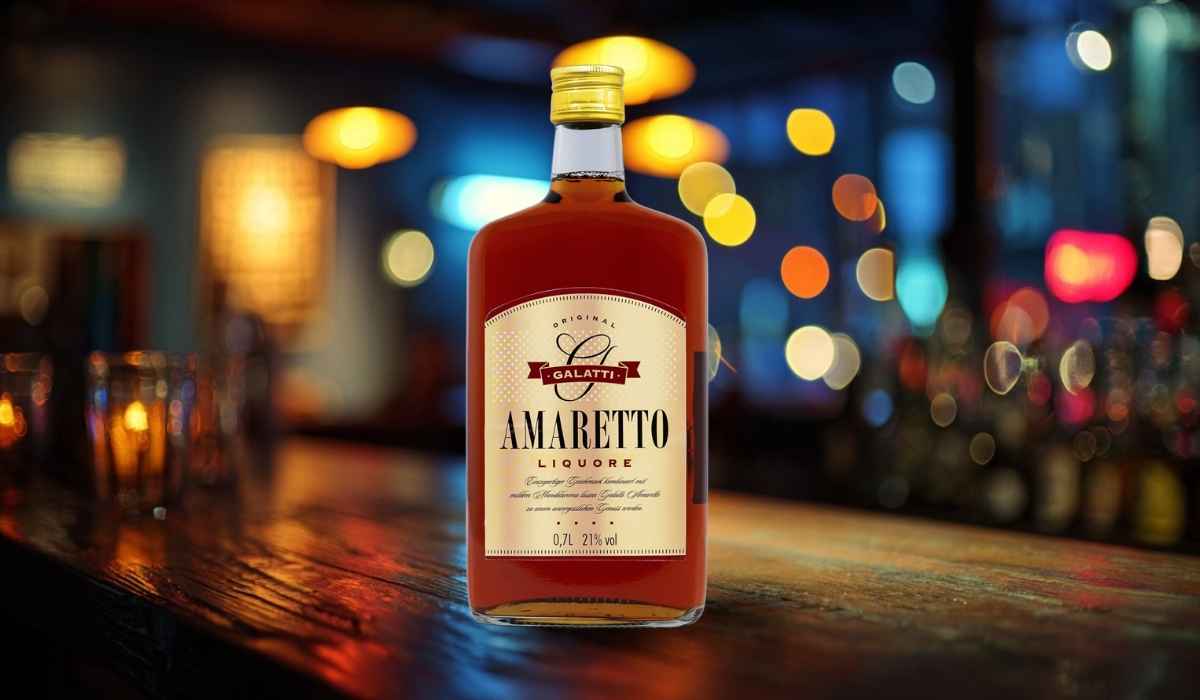
Key Ingredients
Almond flavor leads many people to assume almonds form the base ingredient. Production methods often rely on other stone-fruit kernels that create the same characteristic aroma.
- Apricot kernels
- Bitter almonds
- Peach stones
- Neutral spirits
- Sugar or caramelized sugar
Characteristic almond aroma mainly comes from benzaldehyde. Natural compound exists in apricot kernels, almonds, and other stone-fruit pits. Benzaldehyde produces the marzipan-like scent associated with amaretto.
Production typically begins with infusion of crushed kernels or flavor extracts into neutral alcohol. Sugar or caramelized sugar then sweetens the mixture, creating the smooth dessert-style character associated with the liqueur.
Some producers also add additional flavoring elements such as vanilla or subtle spice notes. Exact recipes usually remain closely guarded by each brand.
Flavor Profile
Amaretto delivers a sweet, nutty taste that closely resembles almonds or marzipan. Aroma carries warm dessert-like qualities that pair naturally with chocolate, coffee, and baked goods.
Sweetness usually dominates the flavor profile. Gentle bitterness adds balance and prevents the liqueur from tasting overly sugary.
Texture often feels smooth and slightly syrupy compared with many herbal liqueurs. Mouthfeel combined with nutty sweetness creates a drink that works well both as a sipping liqueur and as a cocktail ingredient.
Cocktails using amaretto often feature complementary ingredients such as whiskey, citrus juice, coffee, cream, or chocolate.
@theeducatedbarfly This is an Original that popped in my head a few weeks ago while@Daydreaming about the Amaretto Sour and how it could be improved. Sometimes I do that, lay on the floor, stare at the ceiling and daydream about cocktails. Also let me tell you how irritating it is that TikTok started putting a note on my videos marking it AI generated just because I slap captions on them with CapCut and won’t let me take it off! So annoying! Amaretto Bitter 1 1/2oz (45ml) Amaretto 3/4oz (22ml) Smith & Cross Rum 1oz (30ml) Lemon Juice 1 tsp Rich Simple Syrup 1/4oz (7.5ml) Aperol Egg White #theeducatedbarfly #banger #cocktails #eggwhite #drink #sour #shaken #riff #aperitivo #rum ♬ original sound – The Educated Barfly
Alcohol Content
Most amarettos contain between 21% and 28% alcohol by volume. Strength level places the liqueur in a moderate category compared with stronger distilled spirits.
Moderate alcohol content makes amaretto approachable for casual drinkers. Lower strength also allows bartenders to use it as a flavor component without overwhelming other ingredients in a cocktail.
Sweetness and moderate alcohol level make amaretto suitable for sipping neat, pouring over ice, or mixing with coffee and dessert drinks.
Culinary and Beverage Uses
Sweet and nutty flavor allows amaretto to appear in many beverages and dessert recipes. Many cafés add the liqueur to coffee drinks due to its ability to complement roasted coffee flavors.
- Neat pours or servings over ice
- Flavoring for coffee beverages
- An ingredient in desserts and baked goods
- Sweet component in cocktails
Bakers often use amaretto to flavor cakes, cookies, custards, and cream fillings. A combination of almond aroma and sweetness works especially well with chocolate and vanilla desserts.
Bartenders frequently add amaretto to cocktails that require a nutty sweetness. Drinks such as the Amaretto Sour remain popular examples.
Versatility across drinks and desserts helps maintain amaretto’s long-standing presence in both culinary and cocktail traditions.
Fun fact: You can use it as an alternative to Frangelico hazelnut liqueur!
What Is Amaro?
Amaro represents a category of Italian herbal liqueurs known for bitter and aromatic flavors. The word “amaro” translates directly to “bitter” in Italian and describes the dominant taste characteristic of these drinks.
The category belongs to a broader group of bitters created through the infusion of alcohol with botanical ingredients. Producers combine herbs, spices, roots, citrus peels, and other plant materials to create complex flavor profiles.
Italian drinking culture often includes amaro as a digestif consumed after meals. Bitter herbal character pairs well with large dinners and helps cleanse the palate.
Variety within the category remains significant. Different producers rely on distinct botanical recipes, resulting in a wide range of flavor styles and intensity levels.
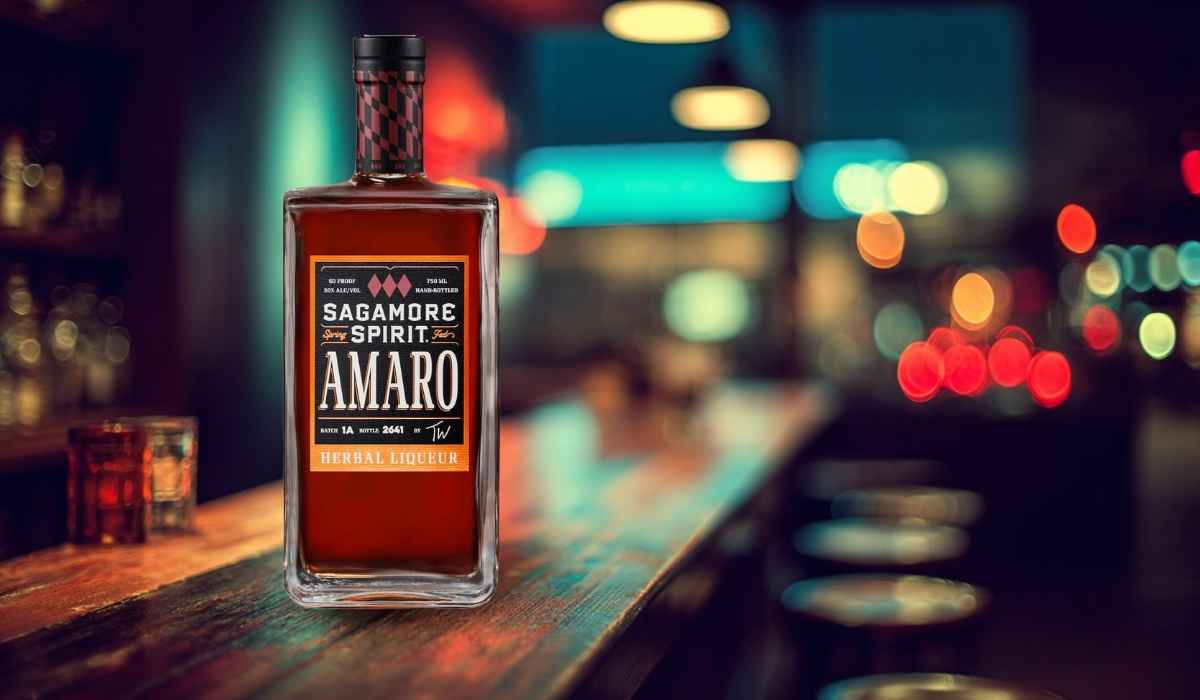
Key Ingredients
Recipes for amaro typically combine numerous botanicals. Many producers keep ingredient lists secret to protect traditional formulas.
- Herbs
- Roots
- Bark
- Citrus peels
- Flowers
- Spices
- Various botanicals are infused into a neutral spirit
A botanical mixture usually steeps in alcohol for a period of time. Some producers also distill certain ingredients before combining them with the base spirit.
The sweetening stage follows the infusion process. Sugar or caramel balances bitterness and helps create the final flavor profile.
A large number of ingredients often produces complex aromas with herbal, citrus, and spice notes layered together.
Flavor Profile
Amaro typically delivers bitterness balanced by sweetness and aromatic botanical notes. Herbal intensity often forms the central element of the flavor experience.
Many varieties contain citrus peel that adds brightness. Spice components such as clove, cinnamon, or cardamom contribute warmth and depth.
Flavor intensity varies widely between different brands. Some amaros taste strongly bitter and medicinal. Others lean toward mild bitterness combined with noticeable sweetness.
Complex taste profile allows amaro to function both as a digestif and as an ingredient in cocktails.
@johanthebartender Replying to @beearei #johanthebartender #amaro #amarococktails #cocktailvideo ♬ original sound – Johan The Bartender
Alcohol Content
Alcohol strength varies significantly depending on the producer and style. Many amaros fall between 16% and 40% alcohol by volume.
Lower-alcohol styles often appear lighter and sweeter. Higher-strength versions approach the intensity of distilled spirits such as whiskey.
Range in alcohol content allows bartenders and drinkers to select an amaro suited for sipping or mixing.
Traditional Role in Italian Culture
Italian dining tradition frequently ends with a small glass of amaro. Digestif ritual developed due to the belief that bitter herbs assist digestion after large meals.
Serving style usually includes neat pours in small glasses. Chilled servings or pours over ice also remain common.
Family gatherings and restaurant meals often include amaro as a closing drink. Cultural habit has helped maintain the popularity of herbal liqueurs across many regions of Italy.
Modern cocktail culture has also embraced amaro. Bartenders use its bitter herbal character to add depth and balance to mixed drinks.
Did you know: It can also be used as an alternative to Aperol!
When to Use Amaro vs Amaretto

The choice between amaro and amaretto often depends on flavor preference and the context in which the drink appears. The bitter herbal character of amaro fits certain occasions, while the sweet nutty notes of amaretto suit others.
A clear idea of their roles helps drinkers and bartenders select the appropriate liqueur.
- The desire for a digestif after a heavy meal arises.
- Need exists for a bitter or herbal component in a drink.
- Preference leans toward traditional Italian after-dinner spirits.
Use Amaretto When:
- Preference leans toward a sweet, nutty liqueur.
- Preparation of desserts or coffee drinks requires an almond-like flavor.
- Cocktails require a marzipan-style sweetness.
The Bottom Line
Amaro and amaretto share similar names but represent very different liqueurs. Amaro refers to a bitter herbal digestif made with botanical ingredients and spices.
Amaretto represents a sweet almond-flavored liqueur usually produced using apricot kernels or similar stone-fruit pits.
A clear distinction between these drinks helps drinkers choose the correct liqueur for cocktails, desserts, or after-dinner sipping.