
Miso paste is a rich, savory Japanese fermented soybean paste known for its deep umami flavor. It is made by fermenting soybeans with salt and koji, a cultured grain usually made from rice, barley, or soybeans.
Miso is special because a small spoonful can add incredible depth to soups, sauces, marinades, dressings, noodles, vegetables, and even desserts. It is salty, slightly tangy, earthy, and sometimes sweet, depending on the type.
You can use miso paste in classic miso soup, stir it into salad dressings, mix it into glazes for fish or chicken, add it to ramen broth, or blend it into butter for roasted vegetables.
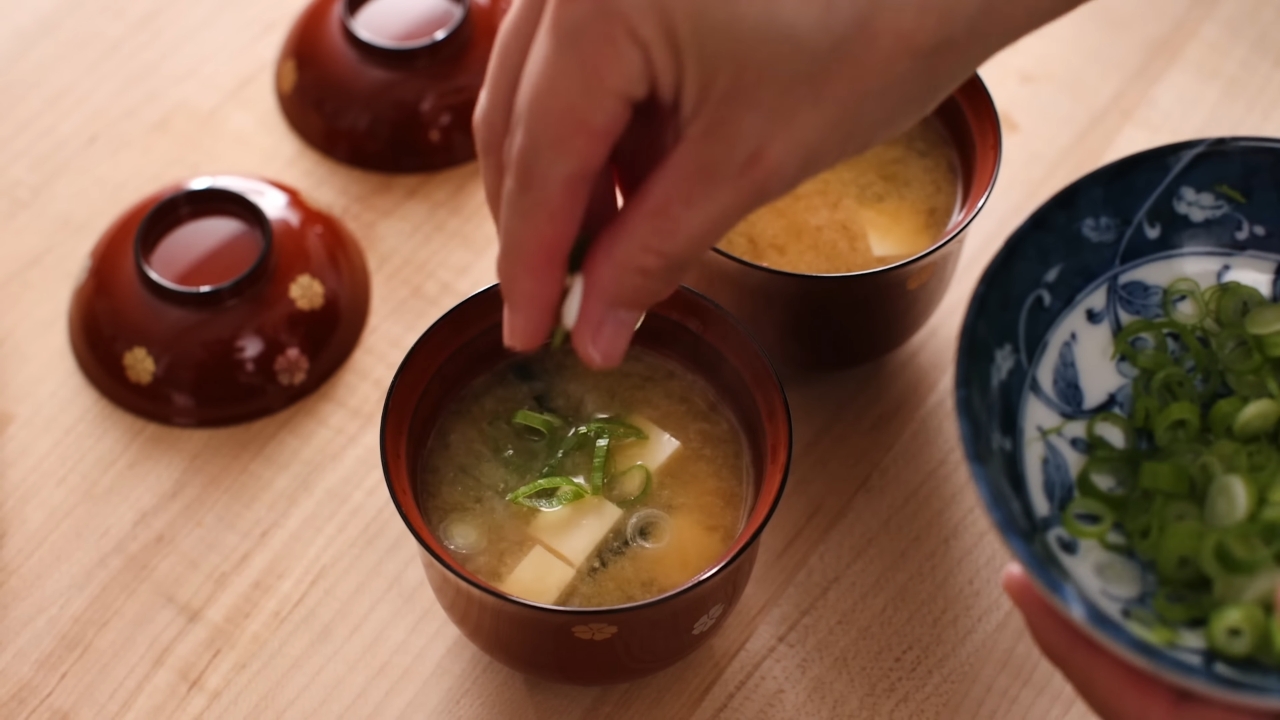
Miso Paste - Simple Miso Soup & Flavor Base
Ingredients
Equipment
Method
- Heat the liquidWarm the water, dashi, or broth in a saucepan over medium heat. Do not let it boil.
- Dissolve the misoIn a small bowl, mix the miso paste with a few spoonfuls of the warm liquid until smooth.

- CombinePour the dissolved miso back into the saucepan and stir gently.

- Add ingredientsAdd tofu, green onions, and wakame (if using), plus sesame oil or soy sauce if desired.

- Warm and serveHeat gently until everything is warm (do not boil), then serve immediately.

Video
Notes
- Never boil miso after adding it - this preserves its delicate flavor and nutrients
- Start with less miso and adjust to taste
- Use a strainer or ladle to dissolve miso smoothly into soup
- Pair red miso with hearty dishes and white miso with lighter recipes
- Add a splash of rice vinegar or citrus juice for brightness
- Mix miso with butter or oil for an instant flavor upgrade to vegetables
How to Use Miso Paste?
@nutritionbykylie Episode 2 of my soup series Miso soup is one of my favorite soups and only takes ~5 min to make! Full recipe on my website/substack 🩷 If you want more recipes like these, my new cookbook “So Easy So Good” is now available for pre-order!! #misosoup #soup #EasyRecipe ♬ for the girlies – Mercedes 😉
Miso paste is a versatile ingredient that can be used to add deep, savory flavor to many dishes. One of the most common ways to use it is in soup.
To make a simple miso soup, dissolve a spoonful of miso paste in a small amount of warm broth, then stir it back into the pot.
Avoid boiling miso after adding it, as high heat can reduce its delicate flavor.
You can also use miso paste in marinades for fish, chicken, tofu, or vegetables. Mix it with ingredients like soy sauce, garlic, ginger, sesame oil, honey, or rice vinegar to create a rich and flavorful coating. It works especially well with salmon, eggplant, mushrooms, and roasted vegetables.
Miso paste is excellent in salad dressings and sauces. Whisk it with rice vinegar, sesame oil, lemon juice, or a little maple syrup for a balanced dressing that tastes salty, tangy, and slightly sweet.
It can also be blended into creamy sauces, noodle sauces, or dipping sauces to add extra depth.
Another easy way to use miso is by mixing it with butter or olive oil. Miso butter can be spread over corn, stirred into pasta, melted over roasted potatoes, or tossed with steamed vegetables.
Even a small amount can make simple dishes taste richer and more satisfying.
White miso can also be used in sweet recipes. Because it has a mild, slightly sweet flavor, it pairs well with caramel, chocolate, cookies, and glazes.
It adds a subtle salty-sweet taste that makes desserts more complex without overpowering them.
Summary
View this post on Instagram
Miso paste adds savory umami flavor to everyday meals with very little effort.
A spoonful can improve soups, marinades, sauces, dressings, noodles, roasted vegetables, and even desserts. Different types, such as white, yellow, and red miso, give you options for mild, balanced, or bold flavor.
Keeping miso paste in your kitchen is a simple way to make ordinary dishes taste more flavorful and satisfying.