
Shrimp often arrive at the table peeled, cleaned, and ready to eat, while the shells head straight into the trash. Home cooks and restaurant diners alike treat shells as scraps with no purpose. Habit, convenience, and texture all contribute to that routine.
The question at the center of the discussion is simple: can you eat shrimp shells, or are they nothing more than kitchen waste? Many people assume shells are inedible because of their hardness. Others suspect they might hold nutritional or culinary value, but are unsure how to use them.
Careful consideration shows shells contain flavor compounds and nutrients that many cooks overlook. Instead of discarding them automatically, it makes sense to examine what they are made of and how they function in cooking.
Are Shrimp Shells Technically Edible? Yes With Preparation
View this post on Instagram
“Can you eat shrimp shells?” has a clear answer: yes, shrimp shells are technically edible when cooked properly. But the preparation plays a critical role in safety, digestibility, and enjoyment.
Edibility and Safety
Properly cooked shrimp shells will not harm most people. The structure of the shell is dense and fibrous due to its chitin content, which makes raw shells tough and resistant to digestion.
Cooking breaks down that rigidity and changes both texture and chewability.
Shellfish allergy remains the most important health warning. Proteins responsible for allergic reactions are present in both shrimp meat and shell.
Anyone with a shellfish allergy should avoid shrimp shells entirely, since the risk does not decrease when only the shell is consumed.
Texture Matters
Texture determines if someone will actually enjoy eating shrimp shells. Raw or lightly cooked shells feel rubbery and resistant to chewing. That experience often leads people to assume shells are inedible.
High heat transforms texture dramatically. Deep frying, especially with a light dusting of cornstarch, removes moisture and creates a crisp structure. Roasting at very high temperatures can produce a similar crunch.
- Low heat cooking keeps shells leathery.
- High-heat cooking removes moisture and produces crispness.
- Thin shells crisp more easily than thick, large shrimp shells.
Crispy shells become chewable and even enjoyable for many people. Personal preference ultimately determines if that crunch adds pleasure or distraction to a dish.
What are Shrimp Shells Made Of?
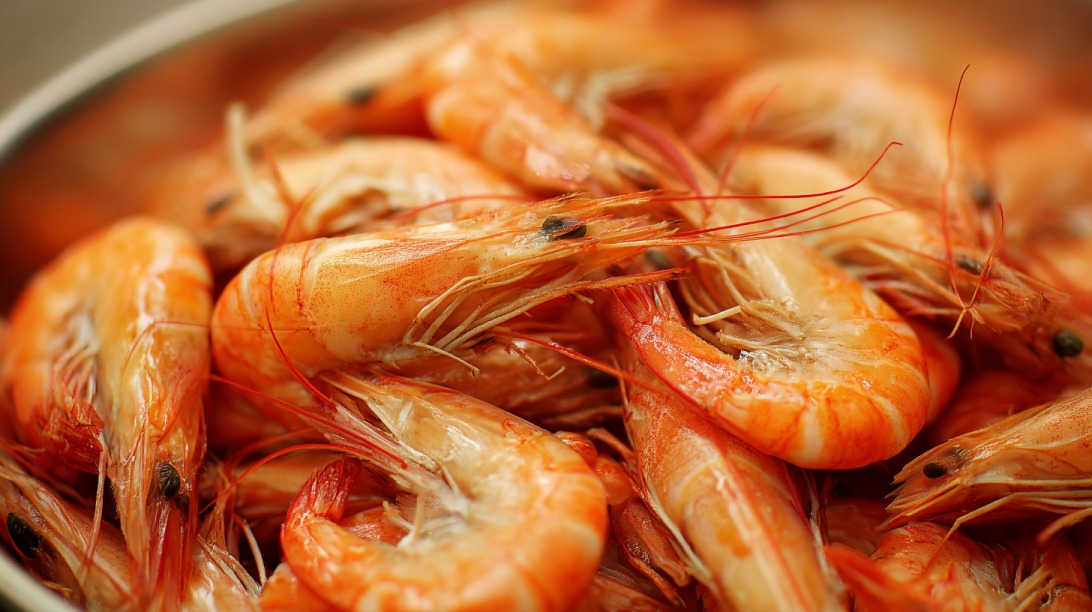
Structure and nutrient content explain both toughness and potential benefits.
Chitin forms the primary framework of shrimp shells. Chitin is a fibrous polysaccharide similar to cellulose, which gives plants their firmness. That structural compound creates the rigid outer layer that protects shrimp meat.
- Structural proteins that contribute a subtle savory flavor.
- Minerals such as calcium, zinc, and phosphorus.
- Small amounts of omega-3 fatty acids are attached to the shell tissue.
Astaxanthin plays an important role as well. Astaxanthin is a potent antioxidant responsible for the pink color that appears during cooking. Heat releases this pigment, changing shrimp and shell color from gray to pink.
A combination of chitin, proteins, minerals, omega-3 fatty acids, and astaxanthin explains why shells are firm yet potentially nutrient-dense.
How Shrimp Shells Boost Flavor and Cooking Potential
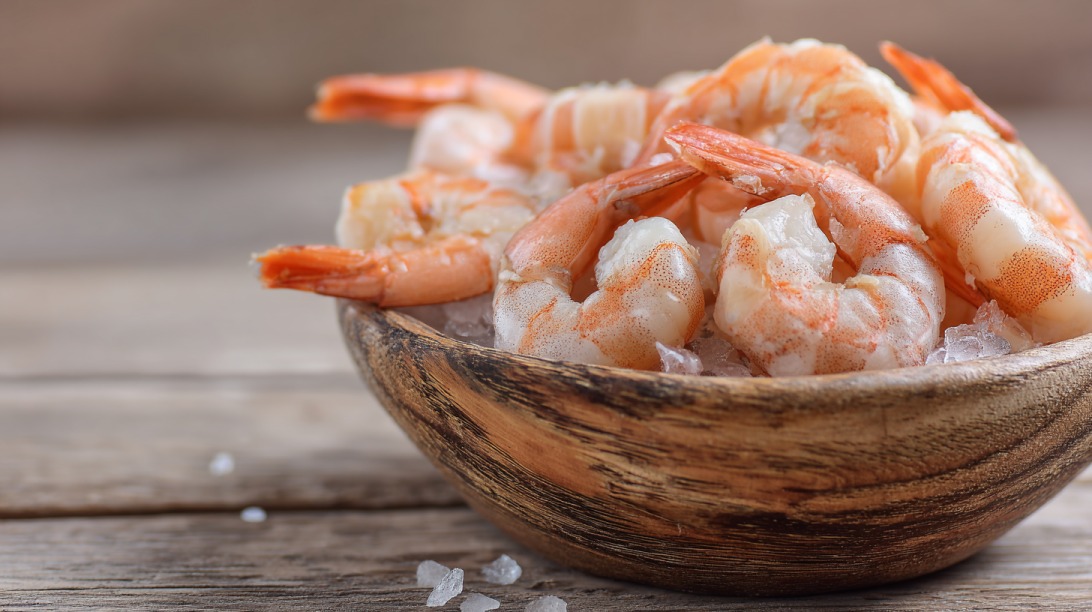
Flavor contribution provides another strong answer to “Can you eat shrimp shells?” Even if shells are not eaten directly, they significantly improve taste and texture in cooking.
Flavor Enhancement
Shrimp shells contain amino acids and compounds that function as umami precursors. Cooking releases these savory compounds into oil, butter, or broth. That release intensifies seafood flavor in surrounding ingredients.
- Sautéing shells briefly in oil to infuse fat with seafood flavor.
- Simmering shells in water to extract concentrated taste for soups and sauces.
- Cooking the shrimp shell on to allow juices and flavor compounds to circulate during heat exposure.
The resulting liquid or fat carries a more pronounced savory profile than shrimp meat alone.
Protecting the Meat
Shell functions as a natural protective layer during cooking. Direct heat can quickly dry out shrimp meat, leading to a rubbery texture. Shell creates insulation that reduces moisture loss.
- Better moisture retention inside the shrimp.
- Reduced risk of overcooking.
- More even heat distribution.
Meat remains juicier and more tender when shielded by its shell.
Making Stocks and Broths
Shrimp shells are widely used as a base for seafood stock. Simmering shells with aromatics such as onion, garlic, and herbs releases concentrated flavor into the liquid.
Strained stock becomes a foundation for risotto, chowder, gumbo, pasta sauces, and stews.
Stock made with shells delivers a stronger seafood character than peeled shrimp alone can provide. Freezing extra stock allows that flavor to enhance future meals.
Practical Ways to Eat or Use Shrimp Shells
@katsi_tik Never throw away shrimp shells #cookinghacks #cookinghack #foodhacks #foodhack #kitchenhacks ♬ Shake It To The Max (FLY) (Remix) – MOLIY & Skillibeng & Shenseea
Several methods show how you can eat shrimp shells in practical cooking situations.
Crisp Snacks and Appetizers
Deep-frying shrimp shells until golden and crunchy transforms them into edible snacks. Light coating of cornstarch improves crisp texture by drawing out moisture. High-temperature roasting offers a lower oil alternative.
Crispy shells pair well with seasonings such as salt, chili flakes, smoked paprika, or garlic powder. Thin shells tend to produce the most pleasant crunch.
Ground Shell Seasonings
Dried shells can be ground into a fine powder after cooking. Powder adds subtle seafood depth to many dishes.
- Broths and soups that need extra savory character.
- Curries and stews that benefit from layered seafood notes.
- Savory snacks such as popcorn or roasted nuts.
Concentrated shell powder allows cooks to use shells without altering the texture of finished dishes.
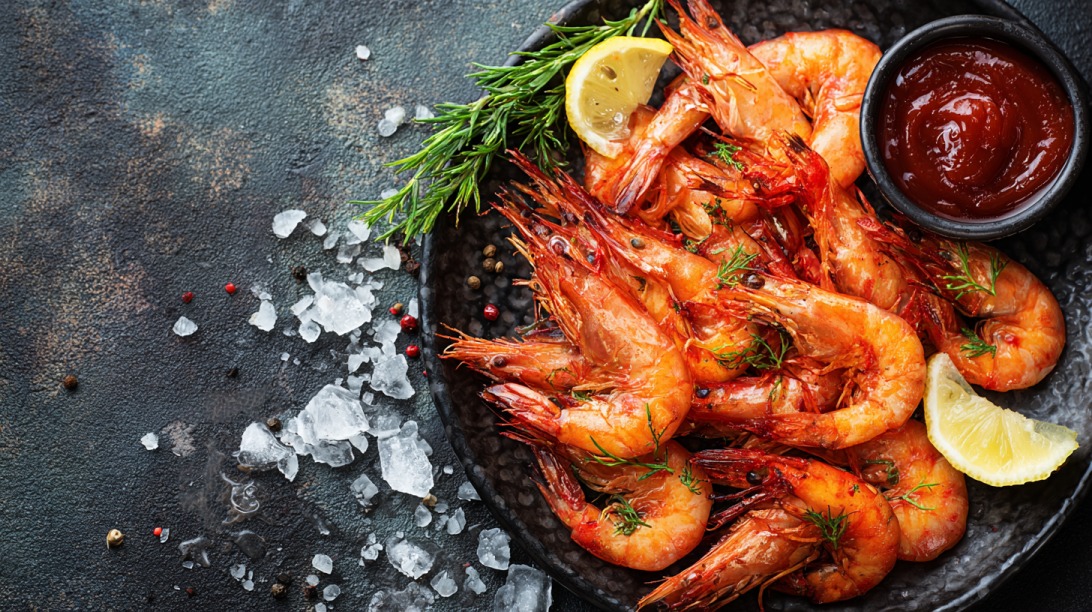
Broths and Stocks
Simmering shells in water with aromatics remains one of the most efficient uses. Gentle simmering extracts flavor while preventing bitterness.
The resulting stock can be strained, cooled, and frozen for later use.
Ingredient in Complex Dishes
Shells on shrimp appear in certain soups and bisques. Shells may cook directly in the base to release flavor, then get strained out before serving.
Some recipes puree shells with liquid and strain thoroughly to capture maximum seafood intensity without leaving hard fragments.
Nutrition and Health
| Nutrient / Component | Approximate Amount |
|---|---|
| Calories | 84 kcal |
| Protein | 18 g |
| Total Fat | 1 g |
| Carbohydrates | 0 g |
| Cholesterol | 166 mg |
| Sodium | 190 mg |
| Calcium | 30 mg |
| Iron | 2.7 mg |
| Chitin | 17% to 20% of dry weight |
| Total Mineral Ash | 30% to 34% of dry weight |
| Astaxanthin | 14 to 39 mg per kg wet shell |
As we’ve said, shells are not empty scraps. Chemical composition includes antioxidants, fiber-like compounds, minerals, and small amounts of beneficial fats that can contribute to overall health when consumed in appropriate form.
Antioxidants and Immune Support
Astaxanthin is one of the most notable compounds found in shrimp shells. This carotenoid pigment becomes visible when heat turns shrimp pink. Color change during cooking signals activation and release of this antioxidant.
- Neutralizes free radicals that can damage cells.
- Supports immune response by reducing oxidative stress.
- Contributes to skin and eye health due to its antioxidant activity.
Antioxidants play a role in limiting cellular damage caused by environmental stressors, normal metabolism, and inflammation. The presence of astaxanthin adds functional value to shells that goes further than texture or flavor.
Digestive and Metabolic Benefits
Chitin forms the structural base of shrimp shells. Human digestive enzymes do not fully break it down, which gives shells their firm, fibrous quality. That same resistance allows chitin to act similarly to dietary fiber.
Fiber supports digestive function in multiple ways.
- Increased stool bulk, which can support regular bowel movements.
- Promotion of beneficial gut bacteria that feed on fibrous material.
- Slower digestion of food, which can stabilize appetite and blood sugar response.
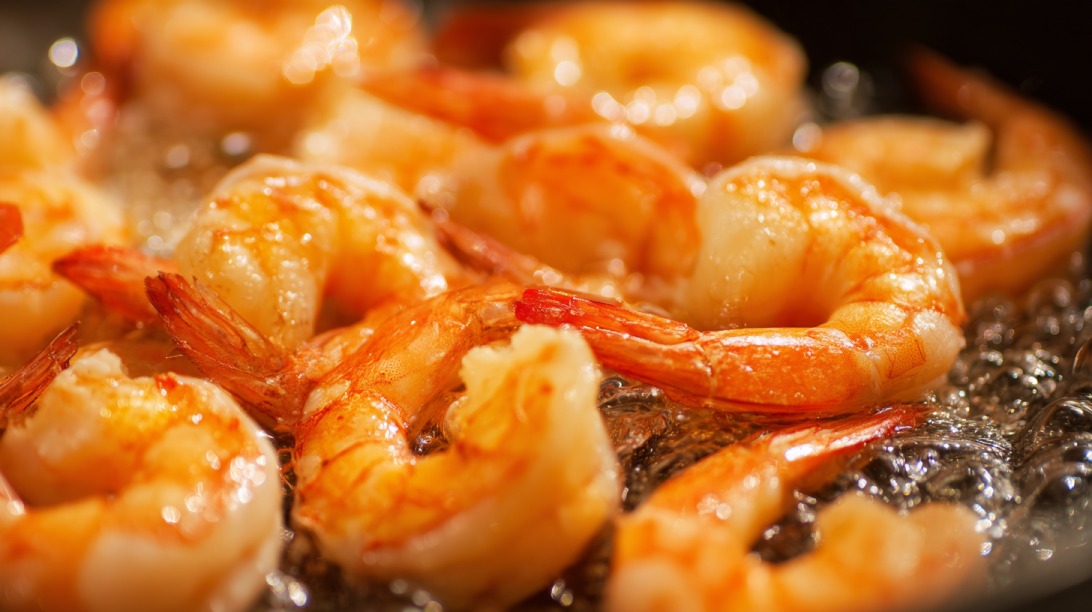
Some research on chitin and its derivative chitosan suggests possible support for lipid metabolism, though effects depend on overall diet and intake levels. Shells should be viewed as a supplemental fiber source rather than a primary one.
Minerals and Omega 3s
Shrimp shells contain small but meaningful amounts of minerals essential for daily function. Calcium supports bone density and muscle contraction. Zinc contributes to immune activity and wound healing. Phosphorus plays a role in energy production and cellular repair.
Although shrimp meat contains higher concentrations of many nutrients, shells still contribute trace amounts that add to total intake.
FAQs
Can shrimp shells be composted?
Yes, shrimp shells can be composted, but they require proper handling. Shells are organic material made largely of chitin, proteins, and minerals, which means they will eventually break down in a compost system.
Can dogs eat shrimp shells safely?
Dogs can technically eat shrimp shells, but safety depends on preparation and portion size. Cooked shells are less risky than raw ones, yet they still pose potential concerns.
Do shrimp shells contain microplastics or contaminants?
Shrimp shells, like many seafood products, can contain trace environmental contaminants depending on the harvesting location. Marine pollution exposes shellfish to microplastics and heavy metals in some waters.
Waste or Worth Keeping?
The answer to “Can you eat shrimp shells?” is clear. Shrimp shells are not just waste. They provide culinary value through flavor enhancement, stock production, and protection of shrimp meat during cooking.
Nutritional components such as chitin, minerals, omega-3 fatty acids, and astaxanthin add further benefits. The decision to eat shells directly depends on texture preference and preparation method.
Shrimp shells deserve consideration in sustainable cooking. Tossing them without thought overlooks both flavor and nutrition that can elevate everyday meals.